
Podcasts
7 Days in Normandy with Scott Entwistle
Subscribe: Apple Podcasts | RSS | Spotify | Stitcher
Seven days, seven lives. This is a short history of Canada’s Battle of Normandy presented through the stories of seven Canadian soldiers and airmen who gave their lives.
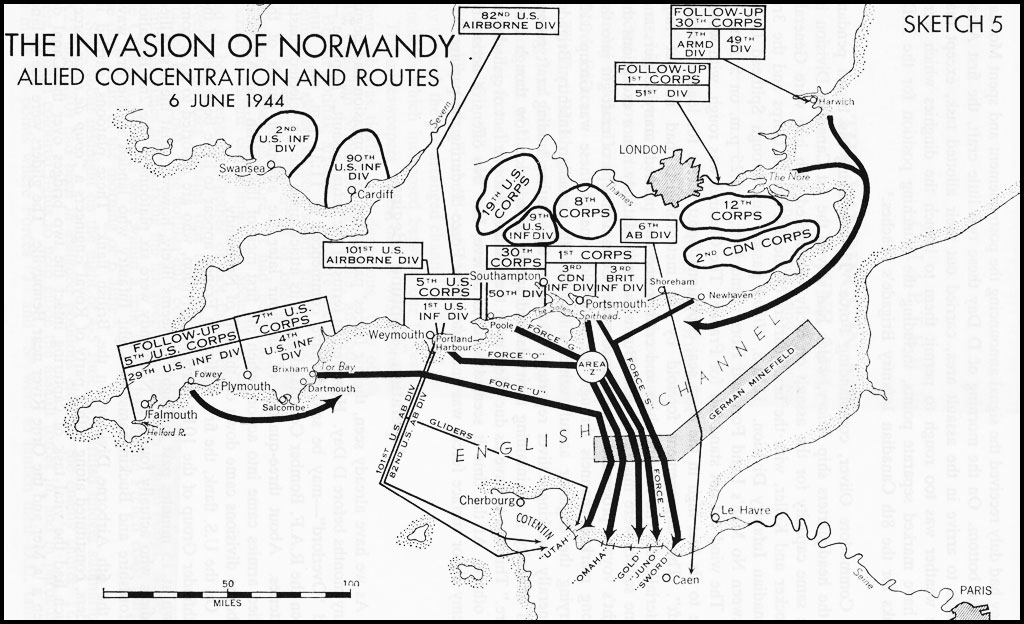
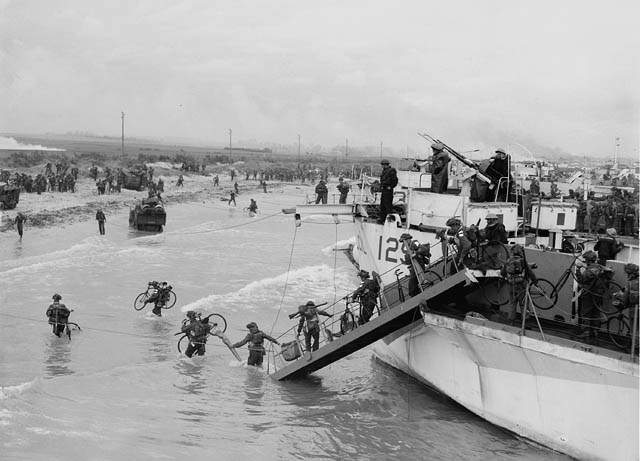
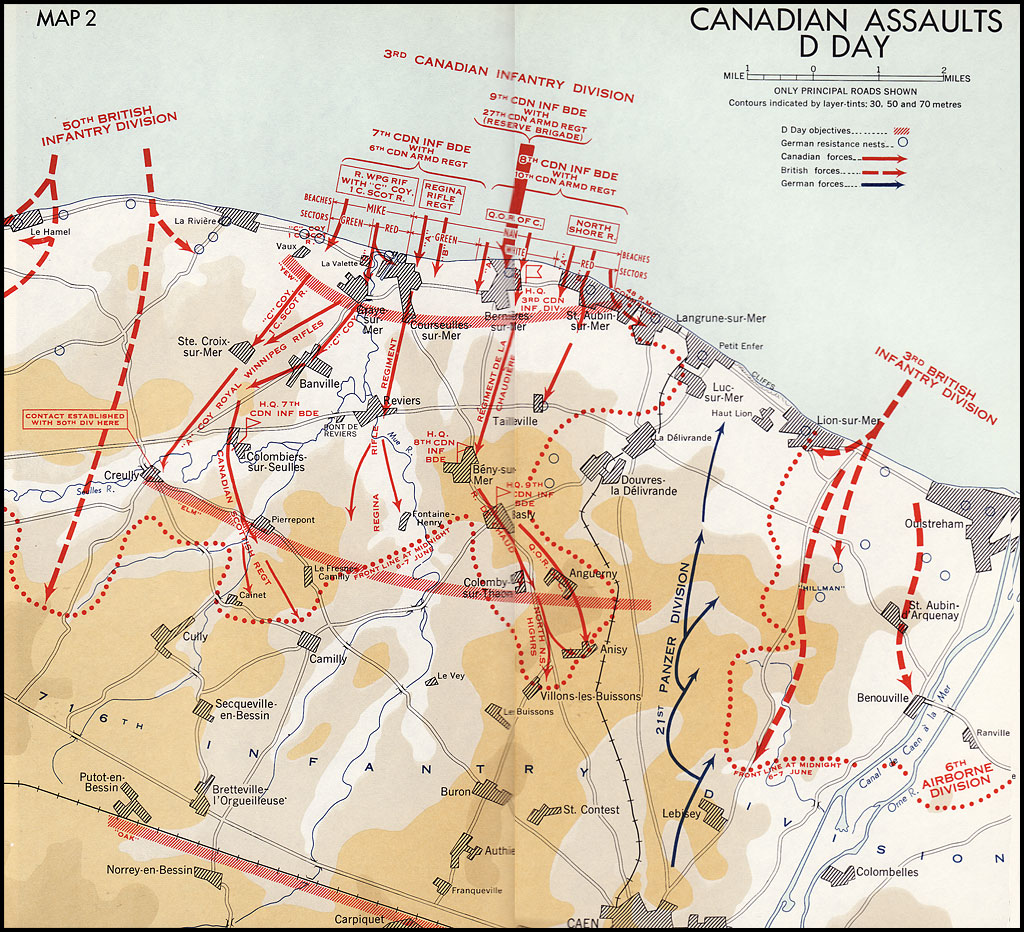
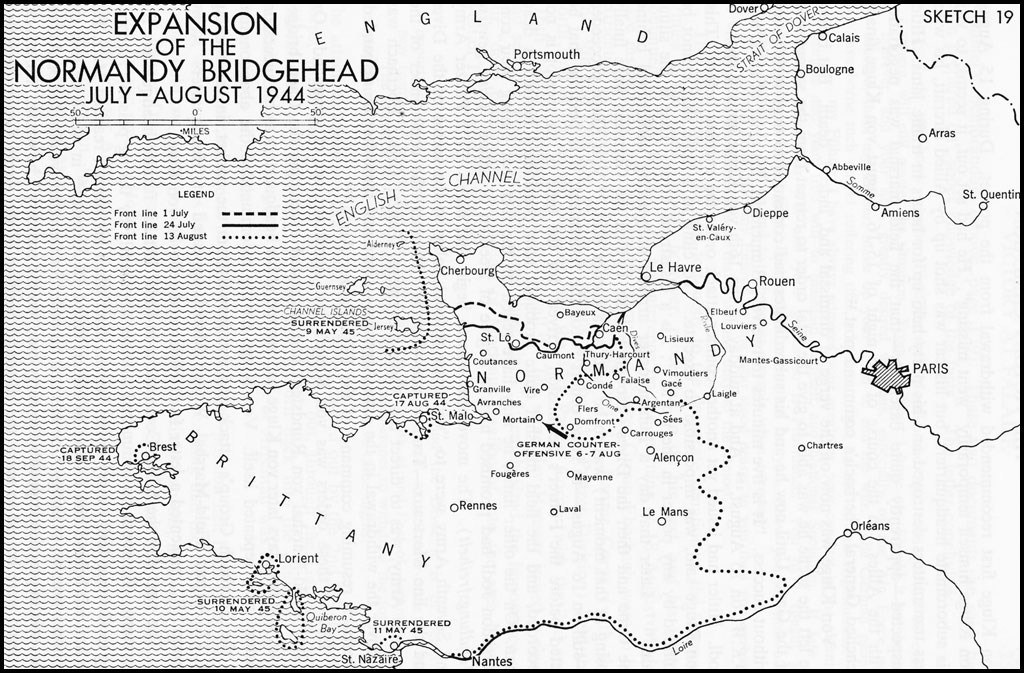
On 6 June 1944, 14,000 Canadians landed on Juno Beach as part of the Allied invasion of Normandy, known to history as D-Day. By the end of August, more than 90,000 Canadians participated in the fighting from Juno to closing the Falaise Pocket, the beginning of the end for Hitler’s Germany.
Nearly 5,500 Canadians were killed in Normandy and remain there today. This episode features seven of those 5,500 brave Canadians who gave their lives to end Nazi tyranny. Scott Entwistle joins us to examine both the larger events surrounding their deaths and to speak to the families and communities they left behind.
We conclude by giving listeners some tips for undertaking research on Canadian Second World War veterans. If you’re looking for even more helpful hints, check out the Canadian War Museum’s military personnel research guides.
Time Stamps
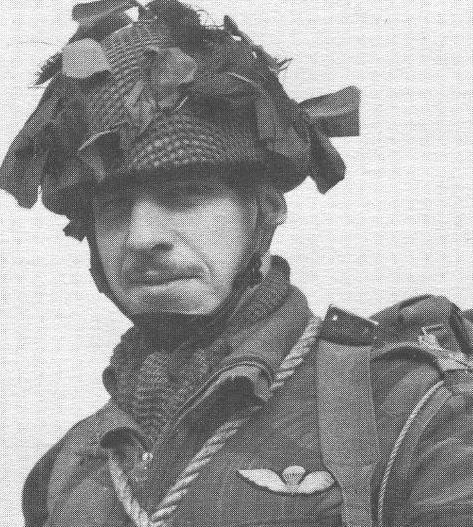
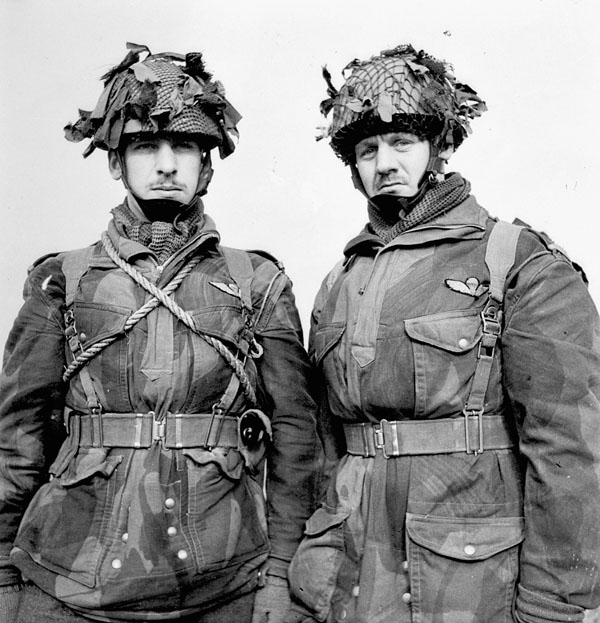
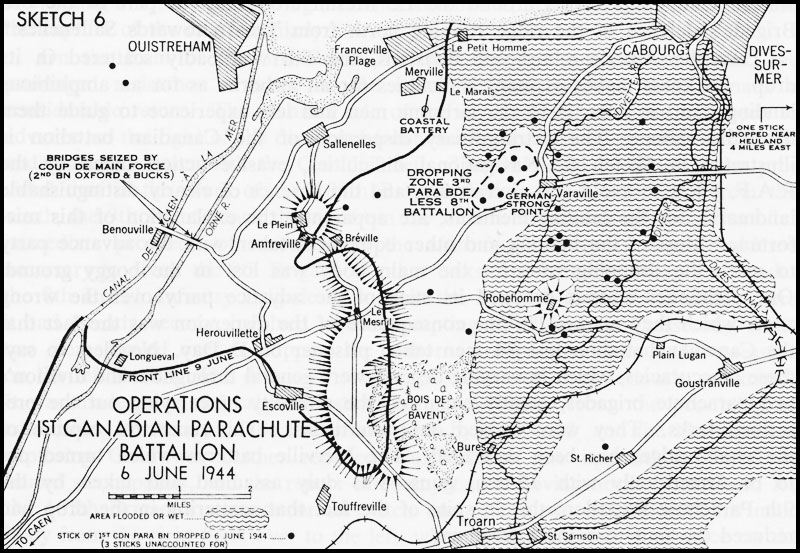
7:34 Lieutenant Joseph P. Rousseau, 1st Canadian Parachute Battalion, Tuesday 6 June 1944

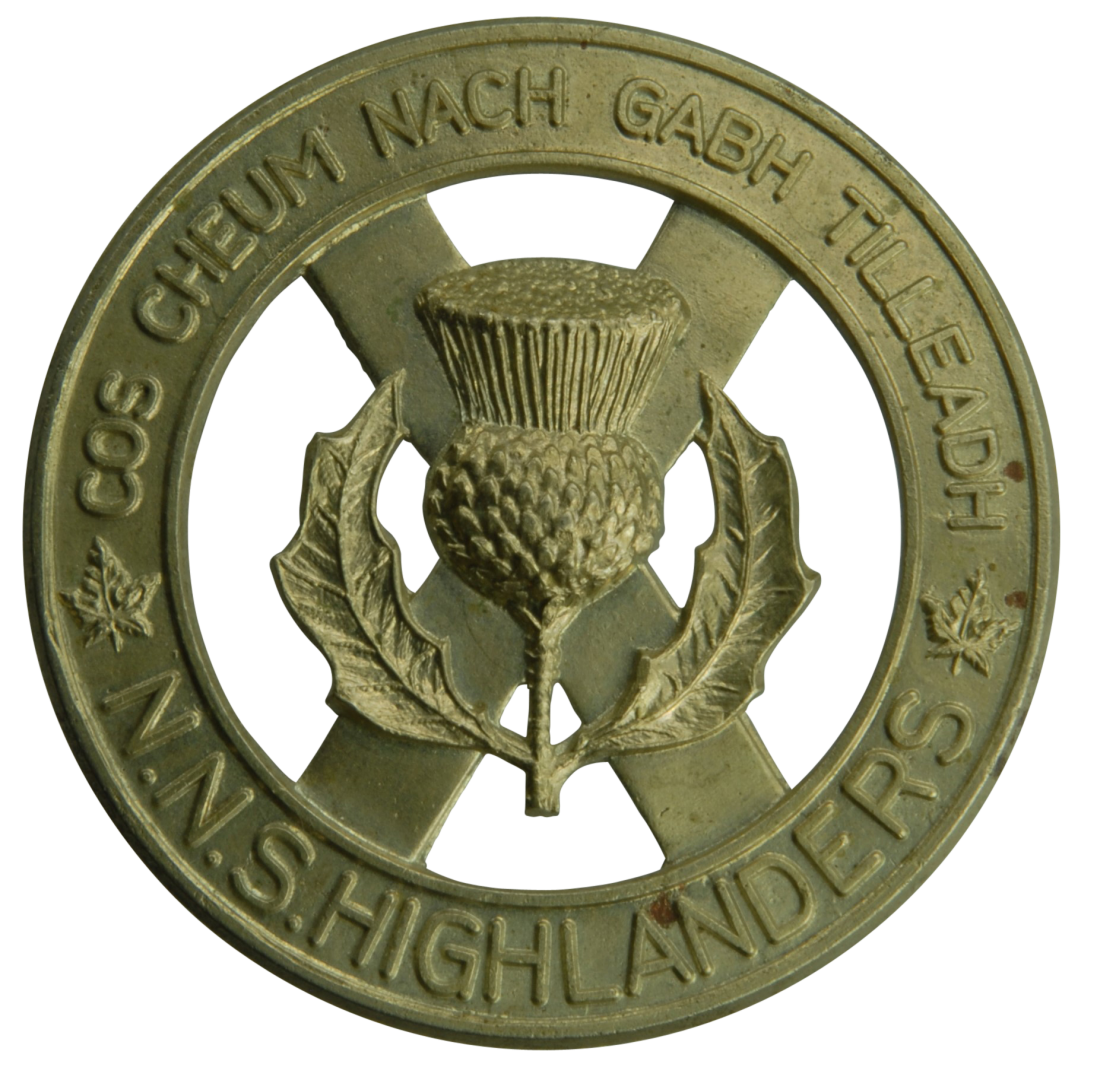
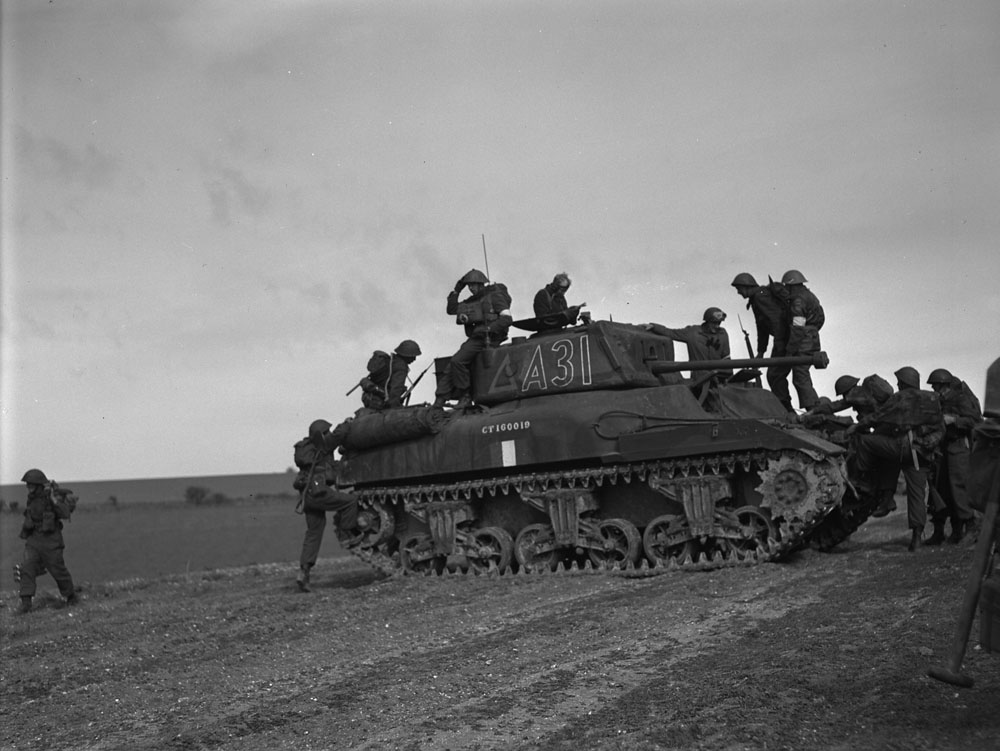
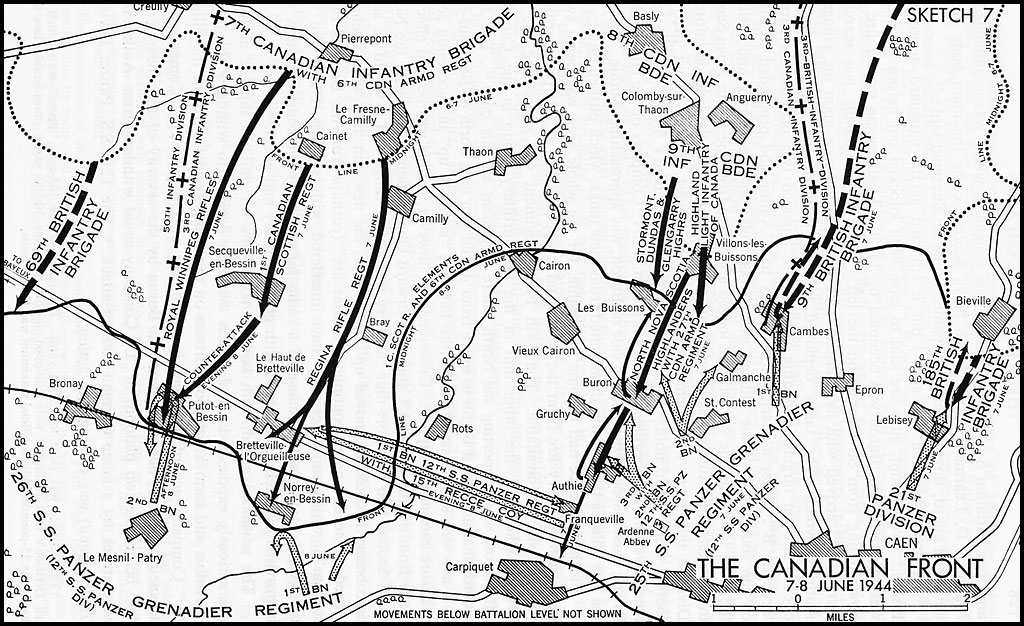
11:40 Private Charles Doucette, North Nova Scotia Highlanders, Wednesday 7 June 1944

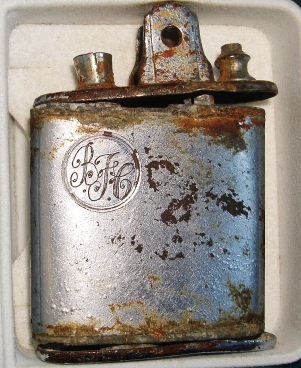
20:06 Flight Lieutenant Barrington F. Cleeton, 63 Squadron RAF, Sunday 25 June 1944
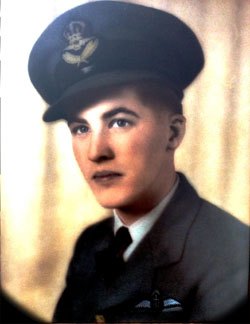
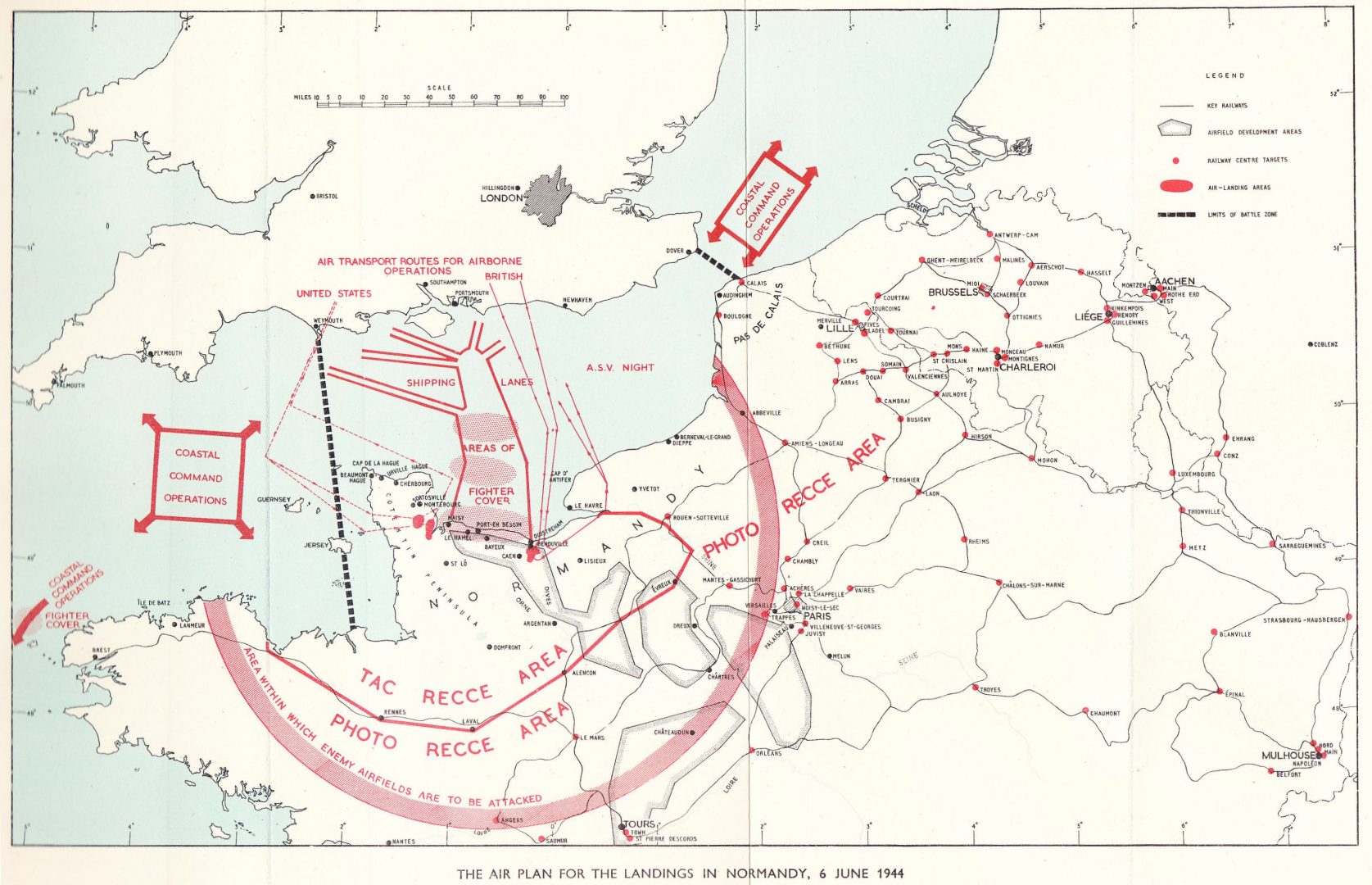
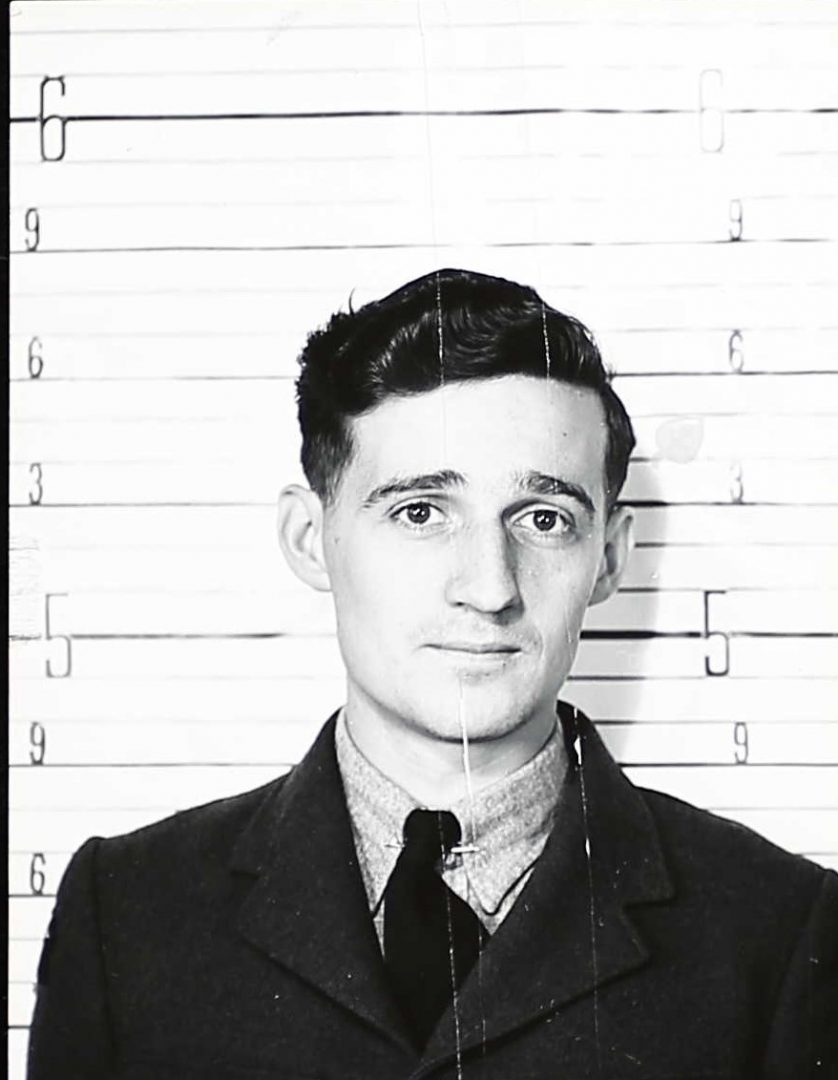
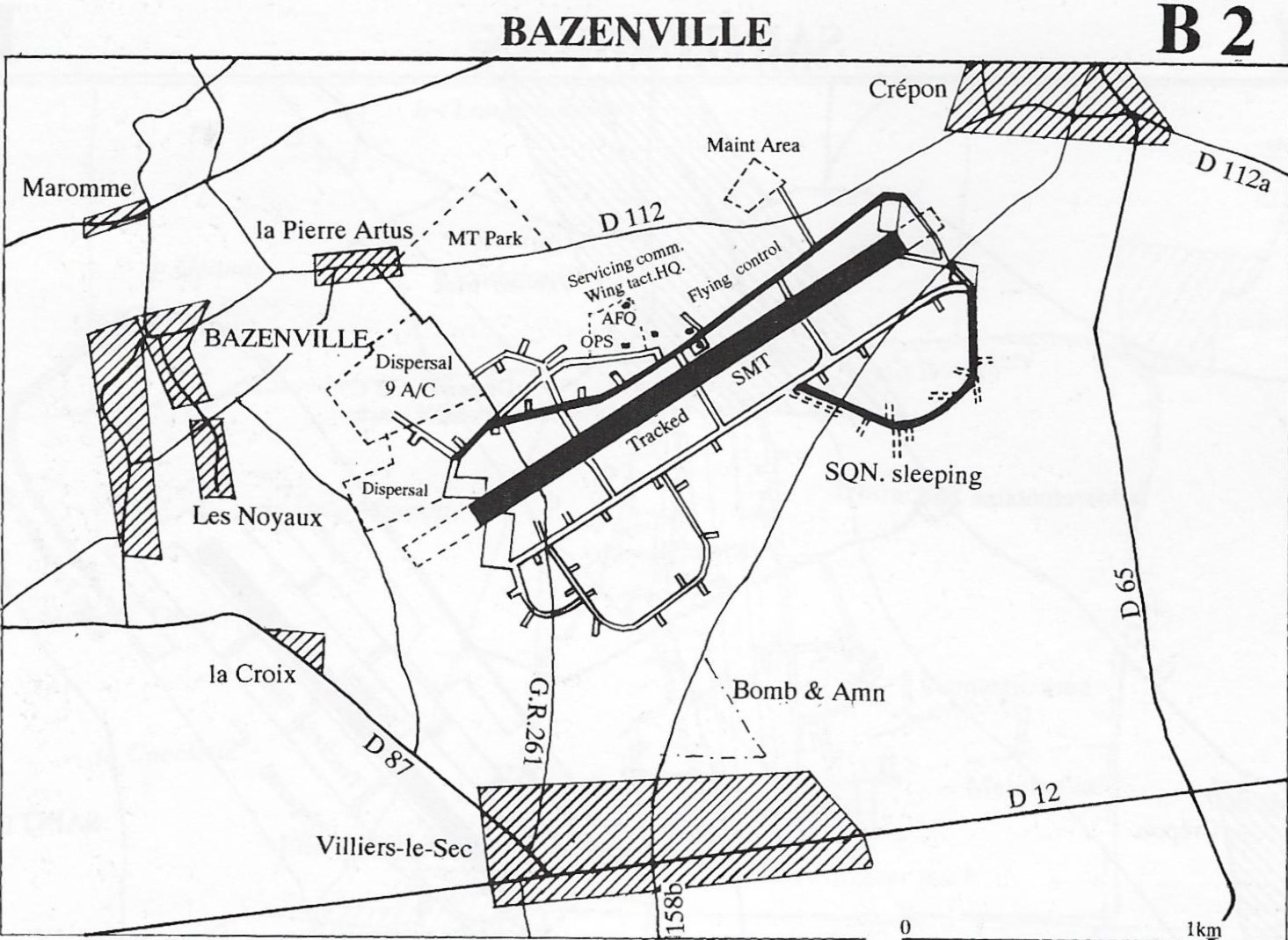
27:38 Flying Officer Donald Shapter, 403 Squadron RCAF, Friday 14 July 1944
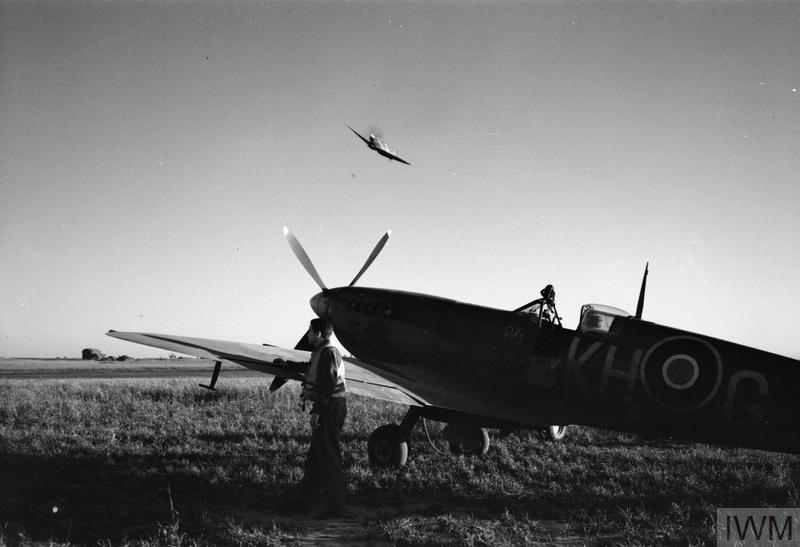
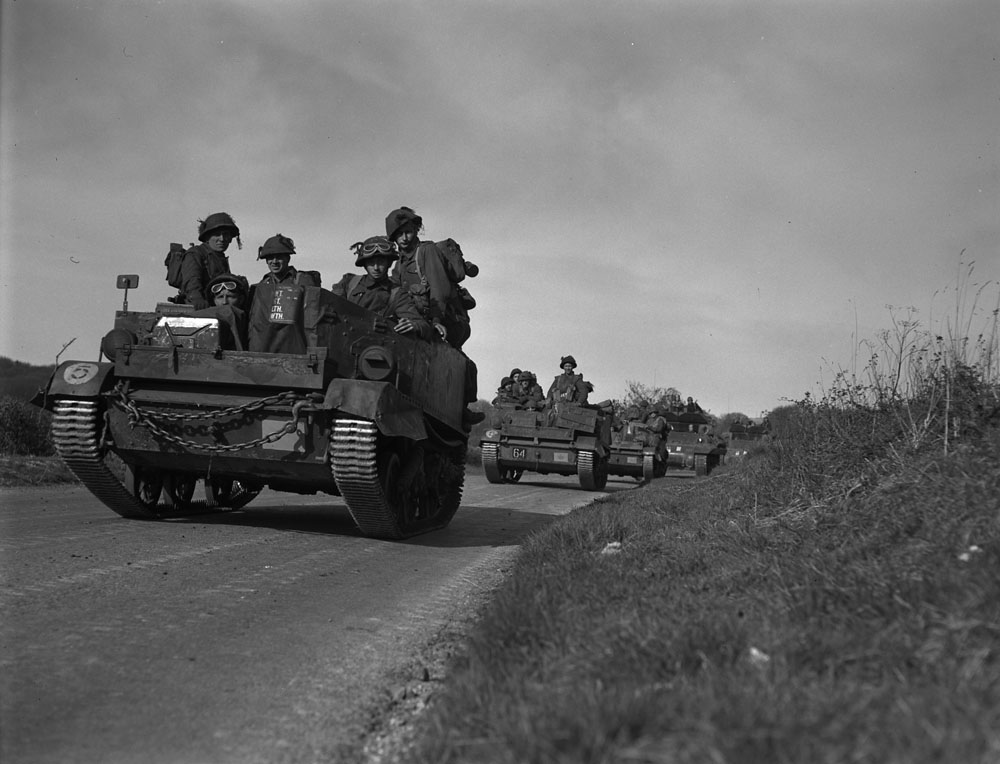
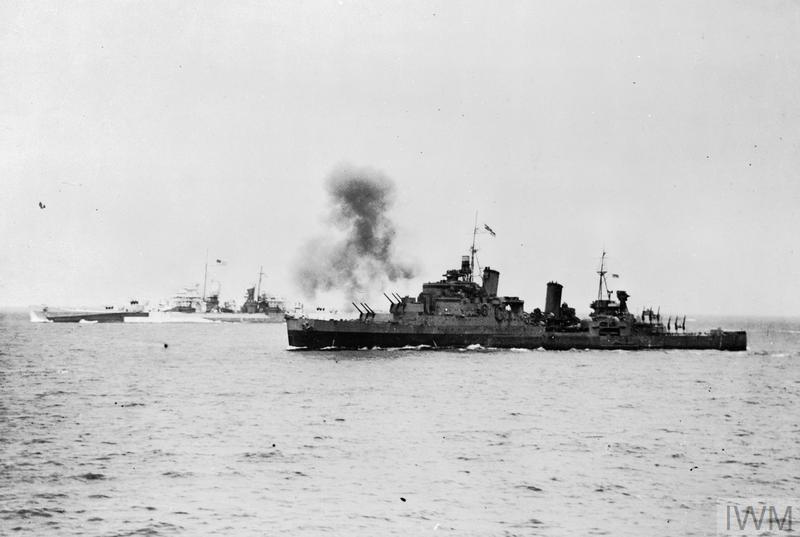
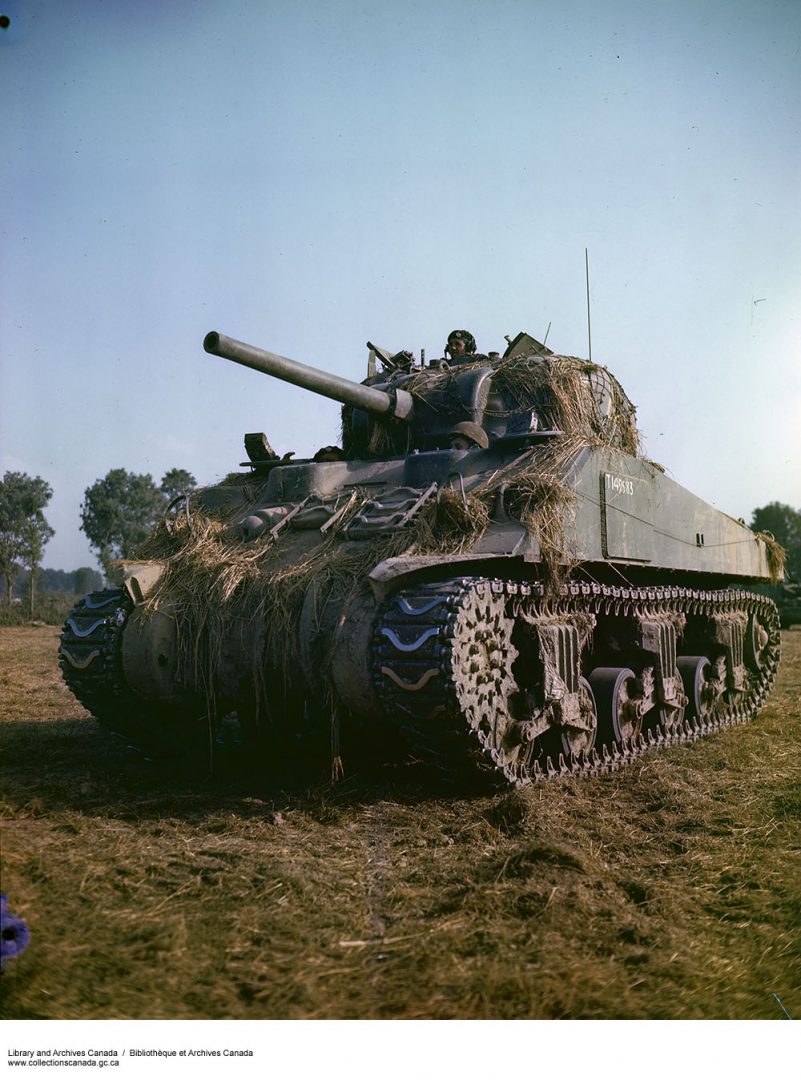
© IWM (CL 778).
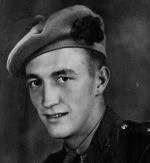
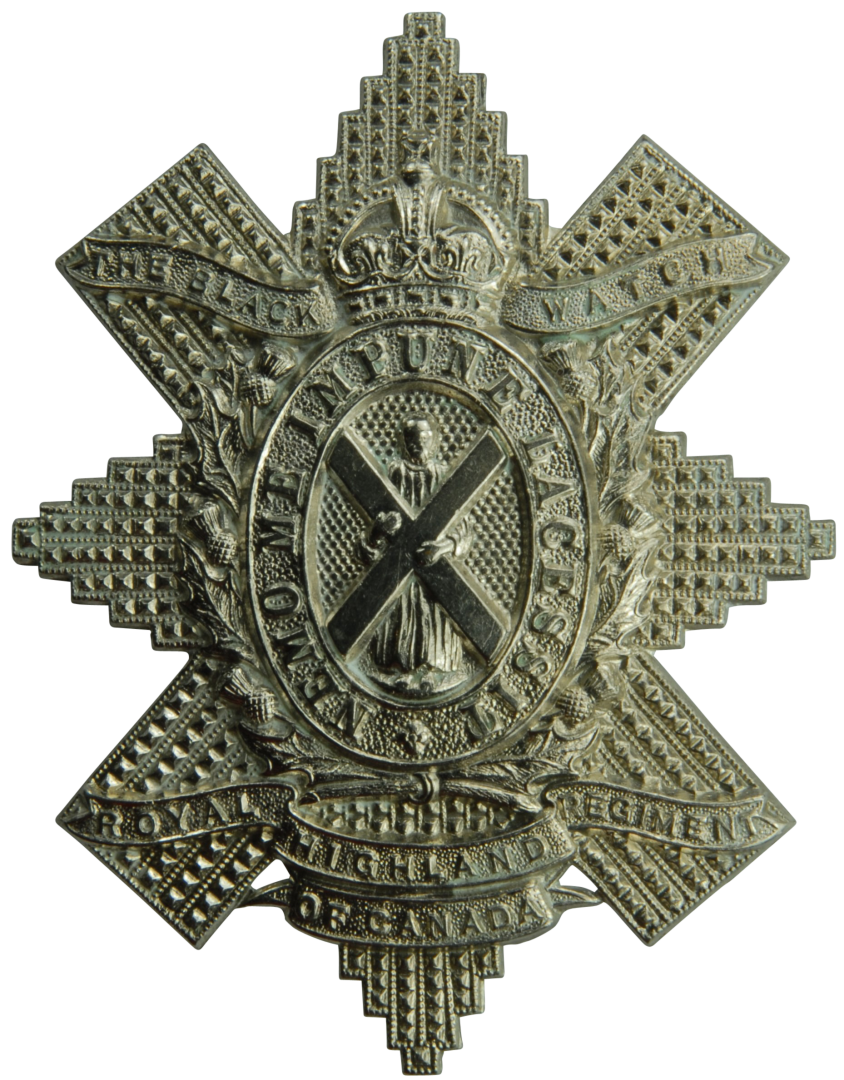
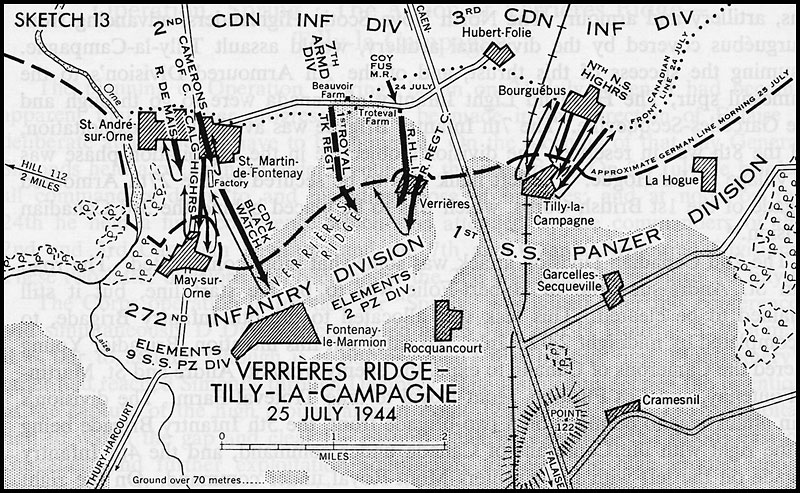
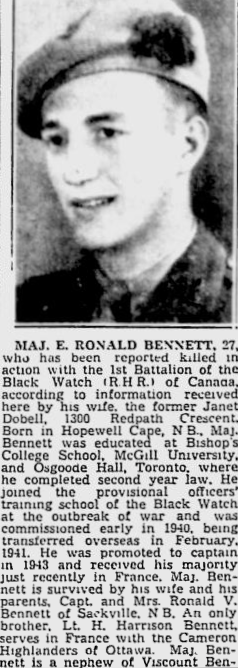
36:46 Major Edwin R. Bennett, The Black Watch (Royal Highland Regiment) of Canada, Saturday 5 August 1944

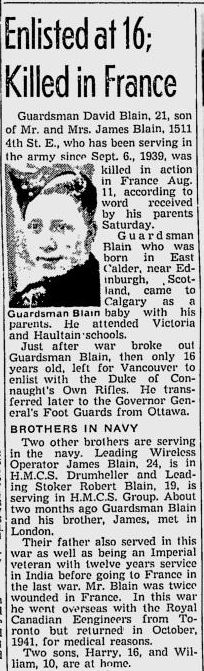
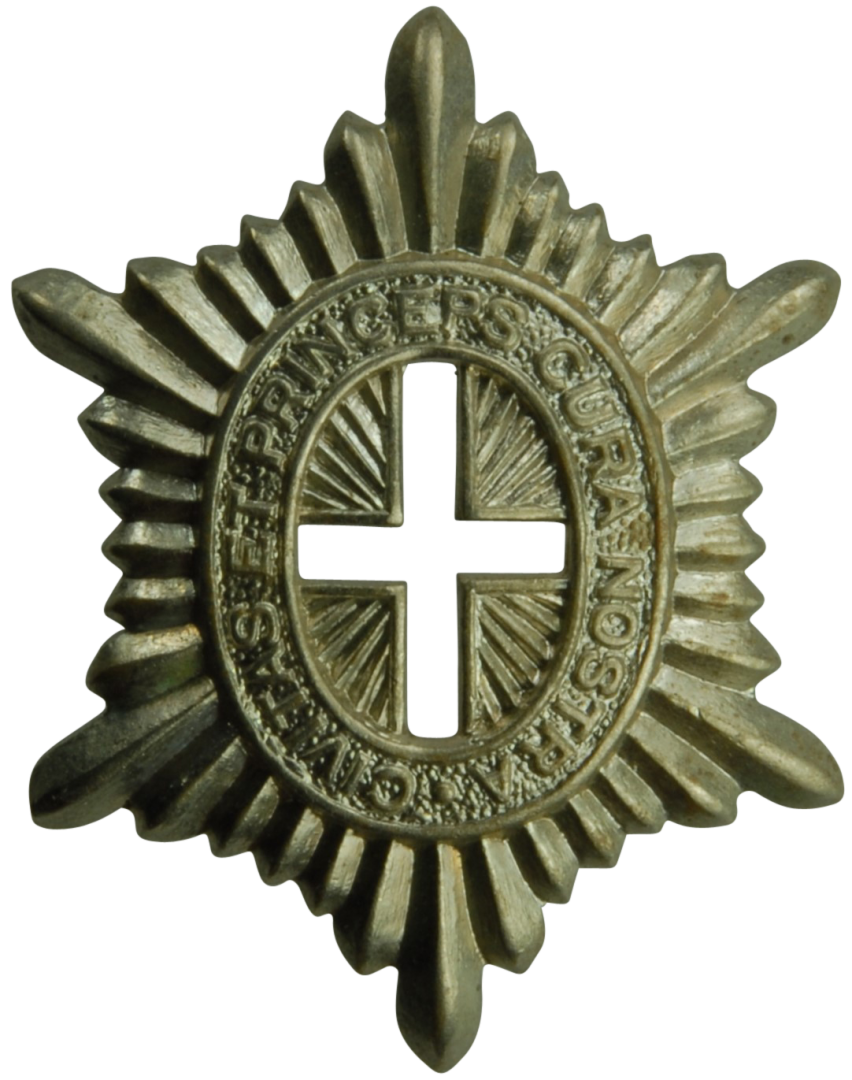
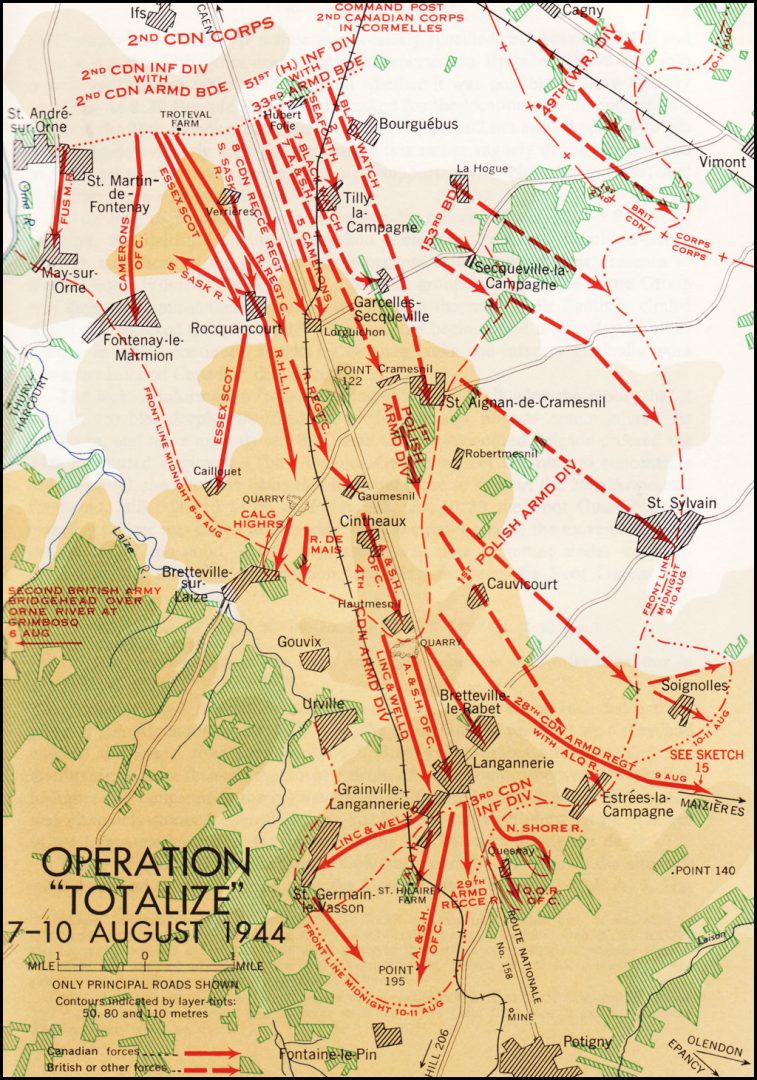
42:10 Guardsman David Blain, The Governor General’s Foot Guards, Friday 11 August 1944
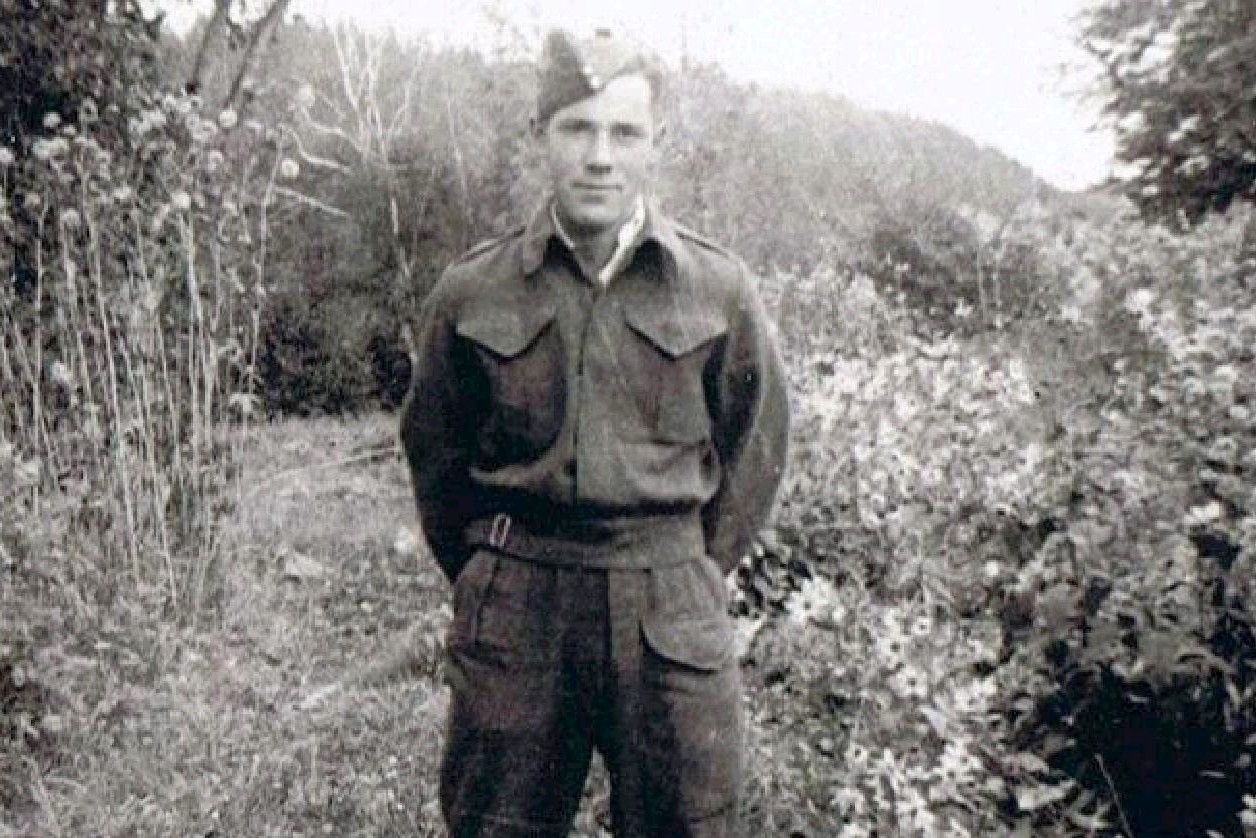
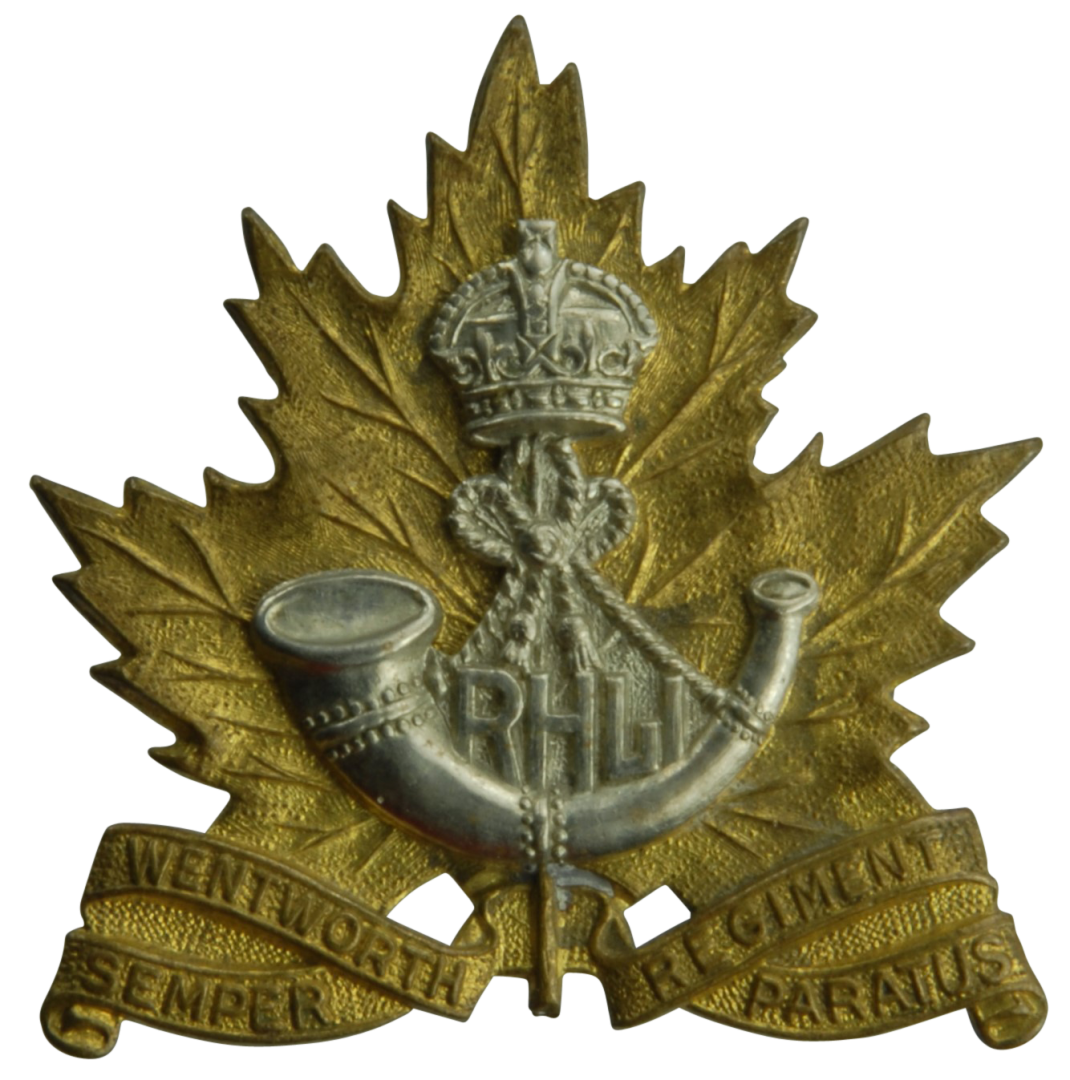
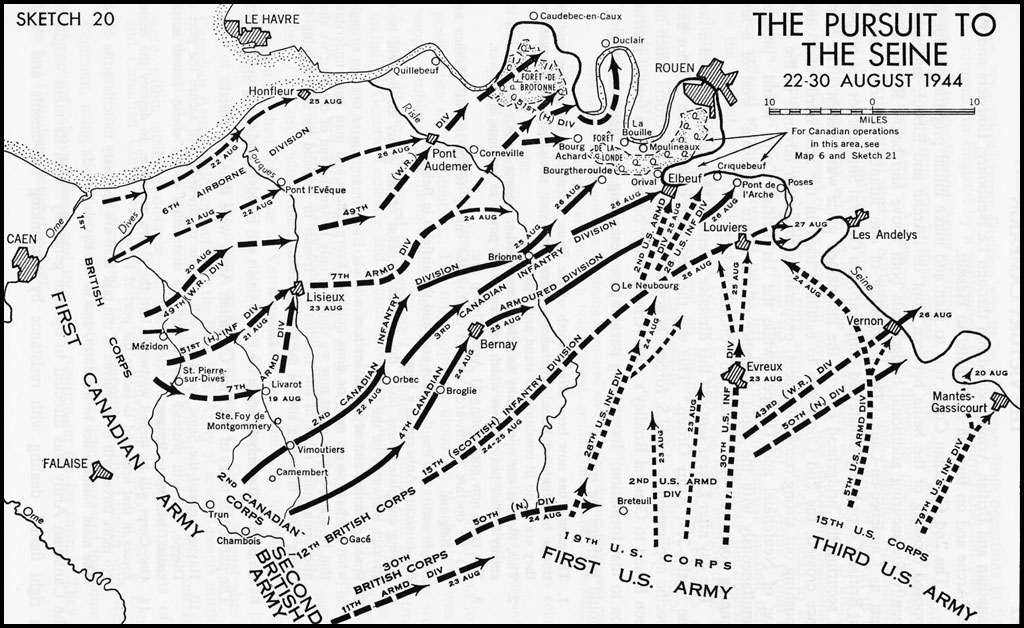
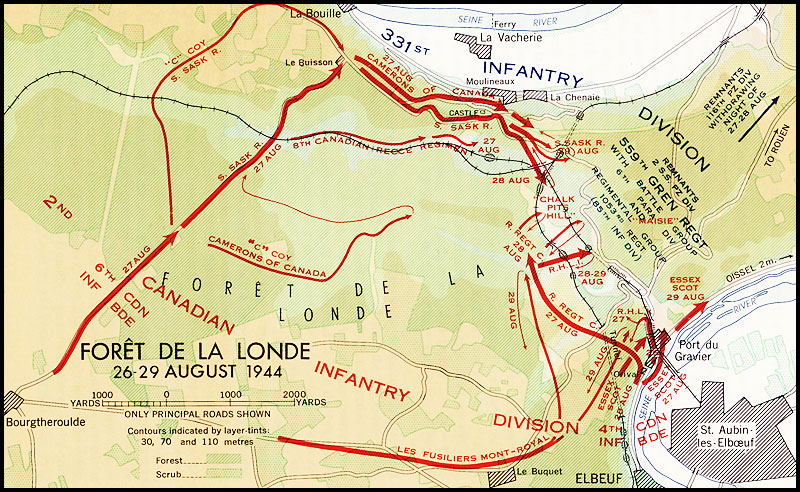
50:28 Private James R. Demerchant, Royal Hamilton Light Infantry, Tuesday 29 August 1944
Guest Biography
Scott Entwistle is the Special Projects Coordinator at the Juno Beach Centre Association. He is responsible for researching and administering Canada’s Commemorative Campaign. If you’re interested in participating, you can reach Scott by email at sentwistle@junobeach.org or by phone at 1-778-872-1466 (Monday to Friday, 9am – 5pm PST).
Notes
The following links offer more information on the topics discussed in this episode:
Canada’s Commemorative Campaign
Podcasts
Stopping the Panzers with Marc Milner
Too Young to Die with Dan Black
Crerar’s Lieutenants with Geoff Hayes
OSCVI’s War Dead with Dave Alexander
Events
Weapons & Formations
1st Canadian Parachute Battalion
Canadian Army Units in the Normandy Landings
Canadian Army Units in Normandy from July 1944
RCAF Fighter Squadrons Overseas
Credits
Juno Beach & Beyond is hosted and edited by Alex Fitzgerald-Black, the centre’s Digital Projects Coordinator.
Mackenzie King’s speech to British Parliament from the British Pathé YouTube channel: https://www.youtube.com/watch?v=6SlEvclY5LE&t=48s
Artillery firing sounds from the CBC News: The National YouTube Channel: https://www.youtube.com/watch?v=RsCSQ4uWR1Y
Garth Webb’s quote about D-Day from the Testaments of Honour Historical Archive and the Defining Moments Canada website: https://definingmomentscanada.ca/jbc75/dday/webb/
Winston Churchill’s “Finest Hour” speech from Jonathan Thomas’s YouTube channel: https://www.youtube.com/watch?v=jB5wZtV1MWM
Spitfire sound effect from Jason Kirby’s YouTube channel: https://www.youtube.com/watch?v=xgZI4tAoMN0
Dramatic Interlude by Alexander Nakarada | https://www.serpentsoundstudios.com
Music promoted by https://www.free-stock-music.com
Attribution 4.0 International (CC BY 4.0)
See more
Donate
to the JBC
As a primarily privately-funded museum, it’s our donors who have made the dream of the Juno Beach Centre a reality.
Learn more about the unique initiatives you can help fund or make a gift to our general fund today to honour the legacy of Canada’s Veterans and ensure their story continues to be told.







