
Veteran Stories
Witnesses to History: Killed by Friendly Fire at Saint-Georges-des-Groseillers
On June 11, 1944, just days after being captured by German forces, around 250 Canadian soldiers set off on foot from the school in Bretteville-sur-Odon (South of Caen) toward Rennes (Bretagne), where a prisoner-of-war camp was located. Their captivity was grueling: little water, meager food, frequent searches, and a forced marching pace despite their wounds. The seriously wounded were loaded into trucks but were quickly forced back onto the road to continue on foot.
That day, near the town of Saint-Georges-des-Groseillers in the Orne departement, around 5 p.m., tragedy struck. Three Allied Mustang fighter-bombers flew over the column and mistook it for a German convoy. The German soldiers escorting the prisoners dived into ditches and orchards, giving the captives permission to do the same.
As the planes turned back, one of the prisoners, a member of the North Nova Scotia Highlanders, stepped out of hiding, waved his jacket, and stood in the middle of the road. This brave gesture alerted the pilots, who quickly realized their mistake. Only one of them opened fire; the other two held back and continued flying. This soldier’s courage undoubtedly saved many lives.
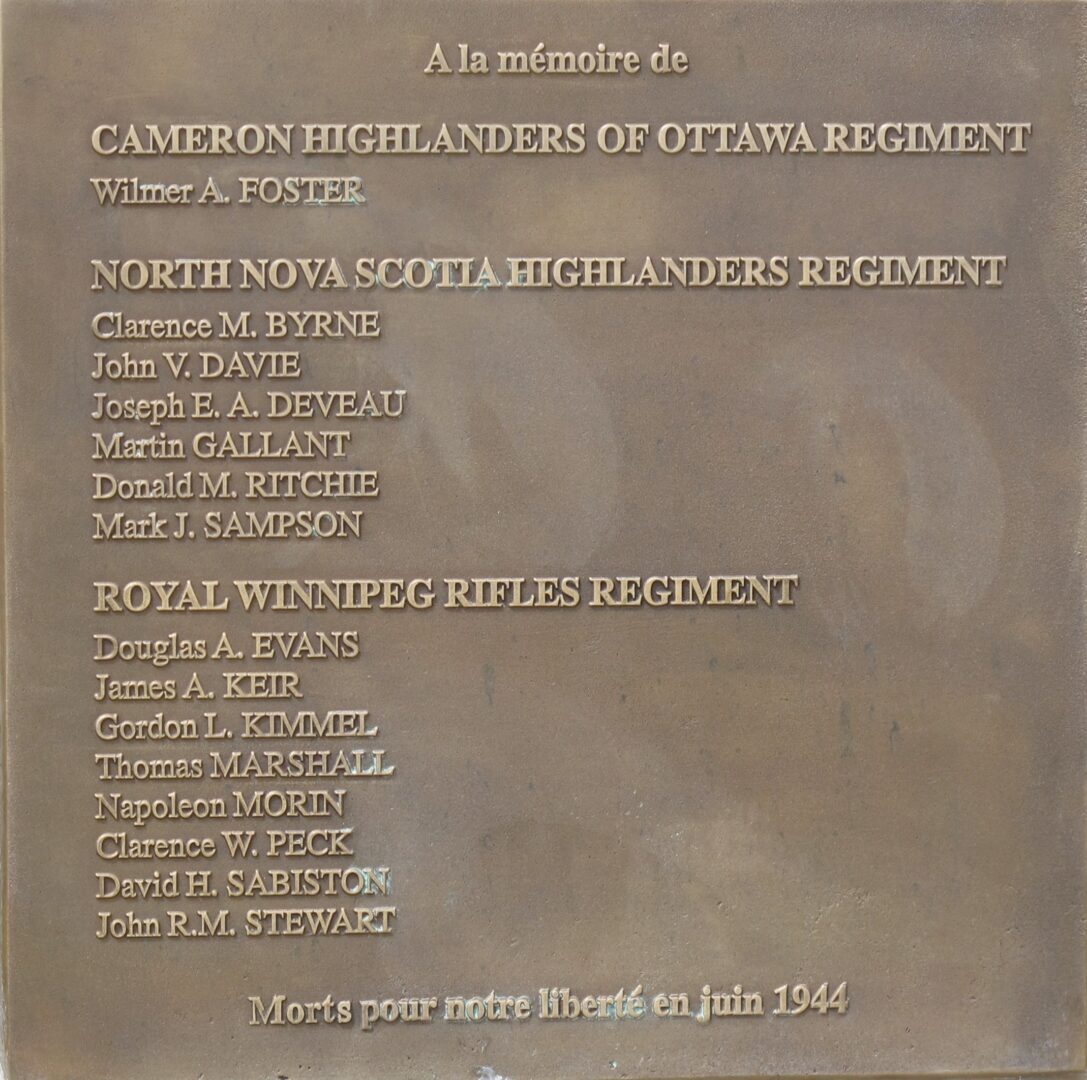
But the damage had already been done. On the roadside, near an old oak tree still standing today, ten Canadian soldiers were killed:
- Clarence Miller BYRNE
- Joseph Edward Albert DEVEAU
- Wilmer Alexander FOSTER
- James Anderson KEIR
- Thomas MARSHALL
- Clarence Warren PECK
- Donald Murray RITCHIE
- David Hamilton SABISTON
- John Mark SAMPSON
- John Ray Mitchell STEWART
Thirty-eight other prisoners were wounded. Five of them later died from their injuries:
- Napoleon MORIN
- Gordon Leroy KIMMEL
- John Victory DAVIE
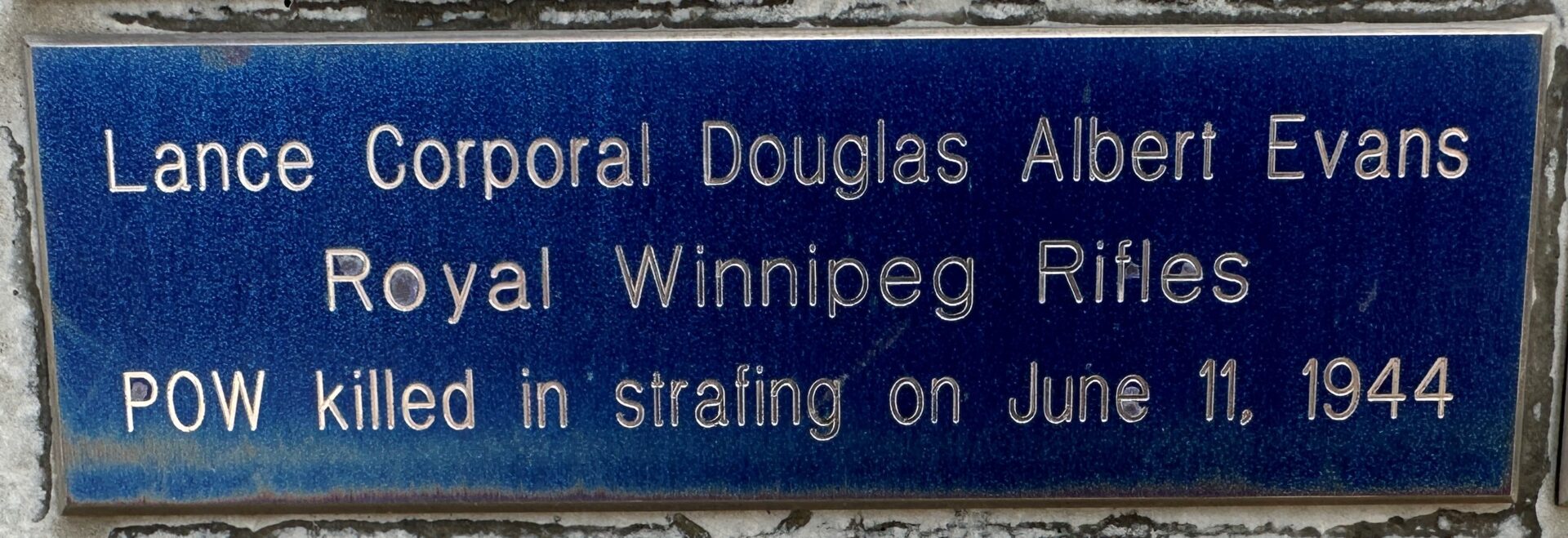
- Douglas Albert EVANS
- Martin GALLANT
Three French civilians were also killed, and two German soldiers were wounded.
Local residents, using horse-drawn carts, transported the wounded to La Chapelle-au-Moine and Flers.
The rest of the prisoners spent the night in a barn in Saint-Georges-des-Groseillers, under the watch of armed German guards. Two women from the village tried to bring food but were denied access. The following morning, they returned with bread, cheese, and milk, and insisted on feeding the soldiers.
On June 12, the column resumed its march toward Rennes. Later that day, it came under attack again by Allied aircraft. This time, no lives were lost, although several men were injured. Two prisoners managed to escape without being immediately noticed. The Germans threatened to execute ten men for each escapee.
Eventually, the group reached Rennes on June 14. The most seriously wounded were treated at the city hospital, located directly across from the German headquarters; the others were transferred to Stalag 221.
Those who had remained behind in Flers and Pont-Ramond were brought to Rennes on June 23. Conditions at the stalag and the hospital were dire: spoiled food, limited water, and nonexistent hygiene. Despite this, some Canadian prisoners were assigned duties as orderlies to help care for the others.
On August 2, 1944, as American forces approached Rennes, the Germans loaded approximately 700 prisoners of war onto a train bound for Germany, via Czechoslovakia or Poland. However, in Langeais, the rail bridge had been destroyed by bombing, halting the train’s progress. Then convoy was once again strafed by Allied aircraft.
Several prisoners and civilians were killed in the attack, including George ROSTA of the North Nova Scotia Highlanders, a survivor of the earlier incident at Saint-Georges-des-Groseillers. This time, he was fatally wounded during the air raid at Langeais.
All fifteen Canadian soldiers killed in the June 11 airstrike are now buried at the Bretteville-sur-Laize Canadian War Cemetery. On some of the graves, the date of death is incorrect as it corresponds instead to the date the soldier was reported missing in action.
A stele in tribute
The town of Saint-Georges-des-Groseillers erected a memorial plaque bearing the names of the prisoners of war killed on June 11, 1944. A dedication ceremony took place on July 1, 2012, in the presence of family members of the fallen soldiers, friends, representatives from the three regiments involved, and Canadian and French dignitaries.
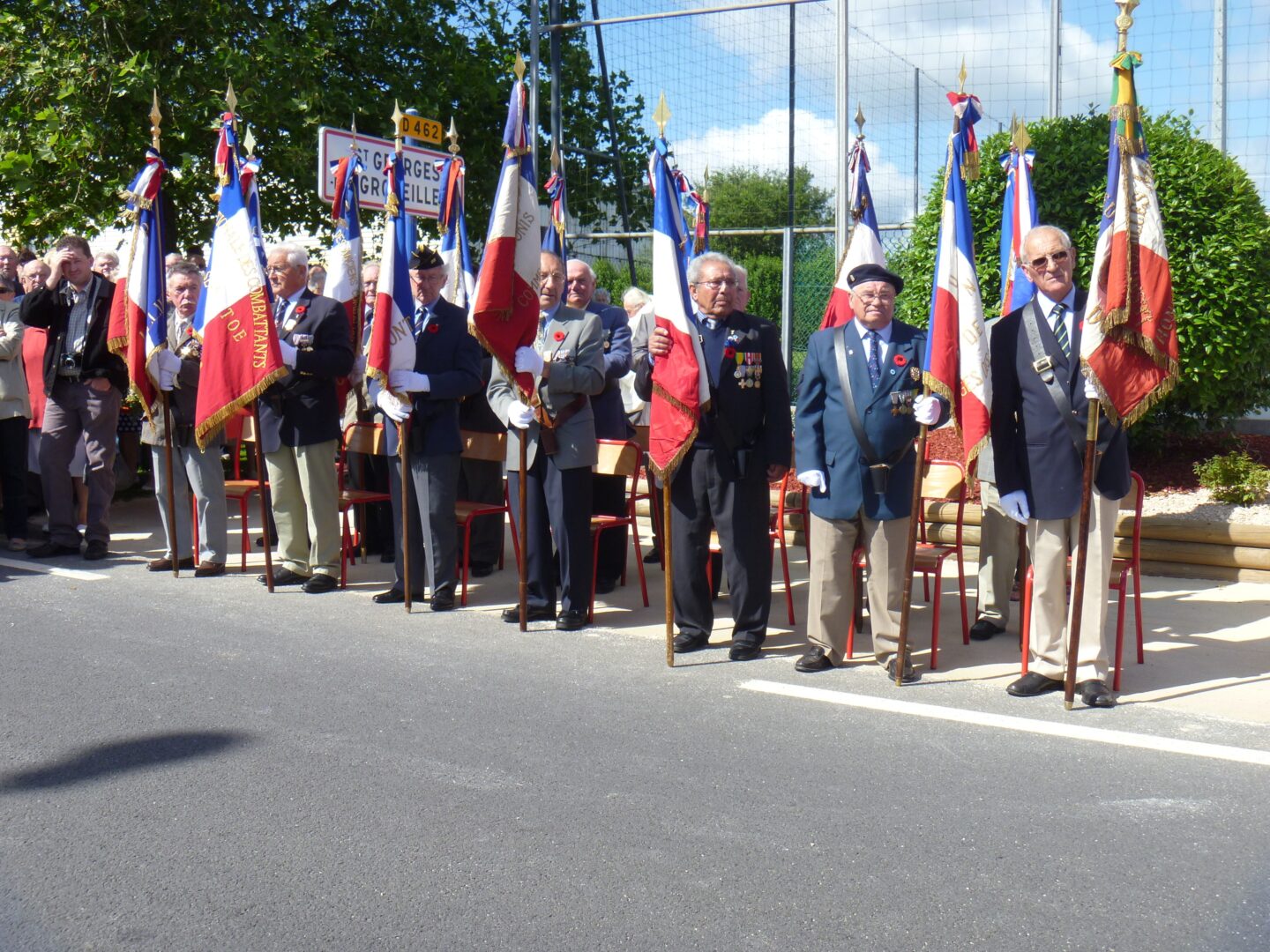
The day before the ceremony, a commemorative visit was organized at the site of the tragedy, and at the town cemetery and the infirmary in Pont-Ramond. The following day, the families continued their journey of remembrance with visits to the Bretteville-sur-Laize Canadian War Cemetery, the Juno Beach Centre in Courseulles-sur-Mer, and the Abbaye d’Ardenne.
The fifteen Canadian soldiers, victims of this aerial strafing, all now rest in the Bretteville-sur-Laize Military Cemetery. On some graves, we notice that the date of death shows an incorrect date. This is, in fact, the date on which the soldier was declared missing in action.
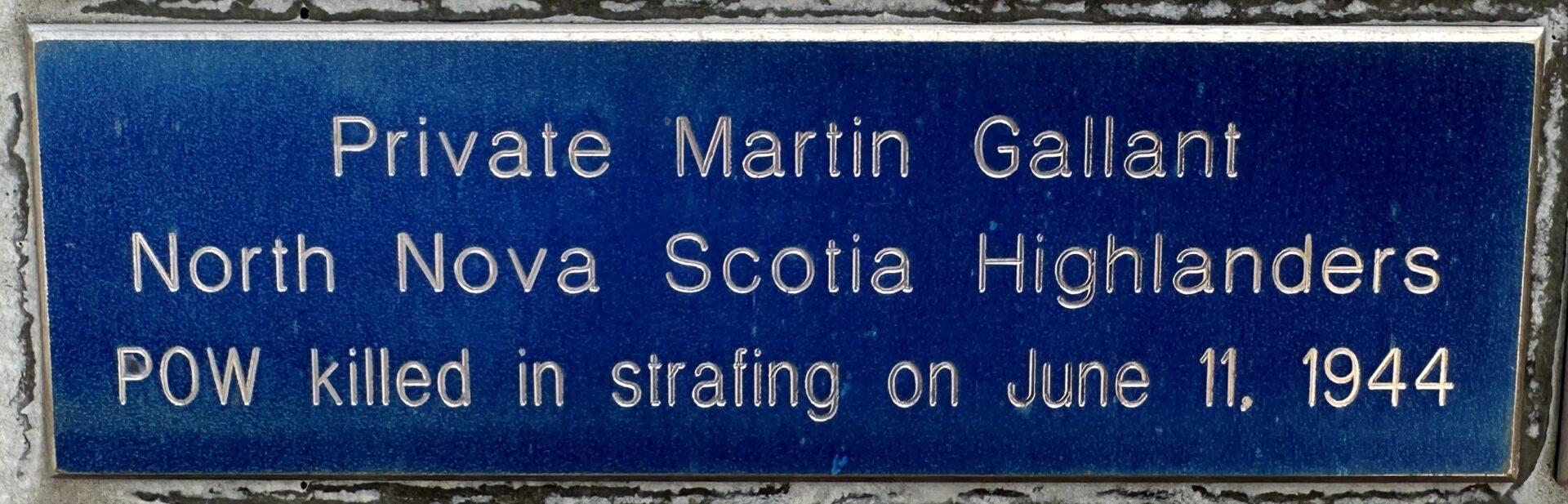
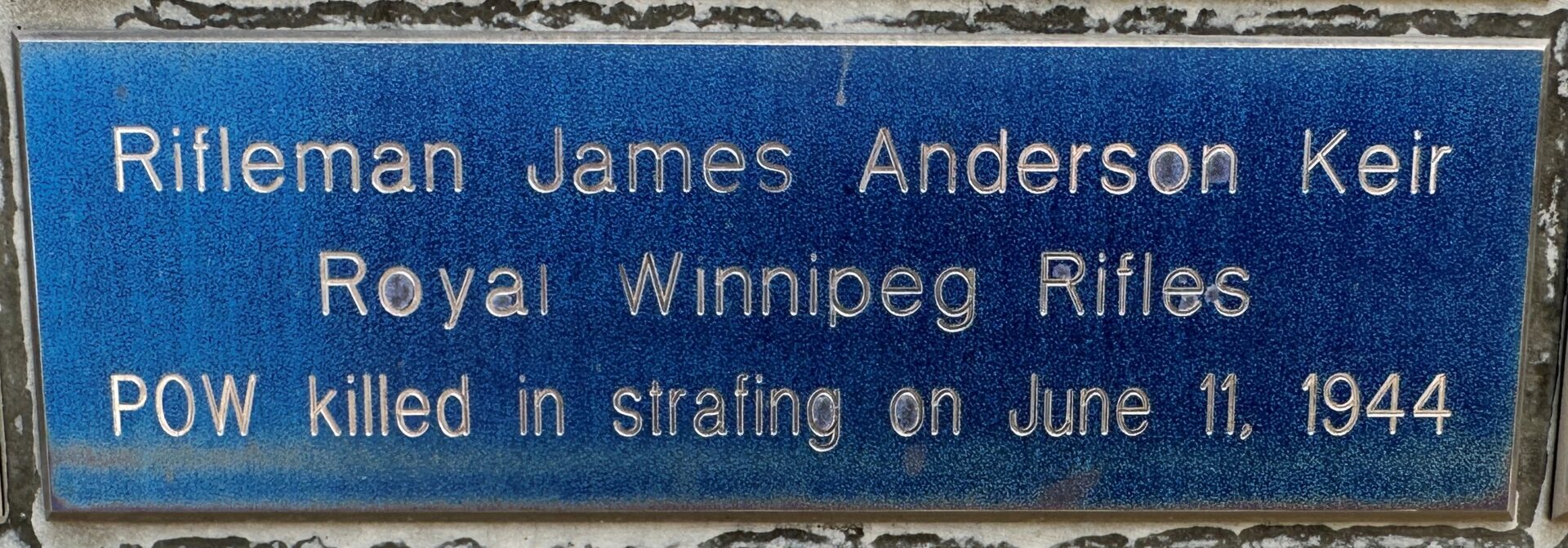
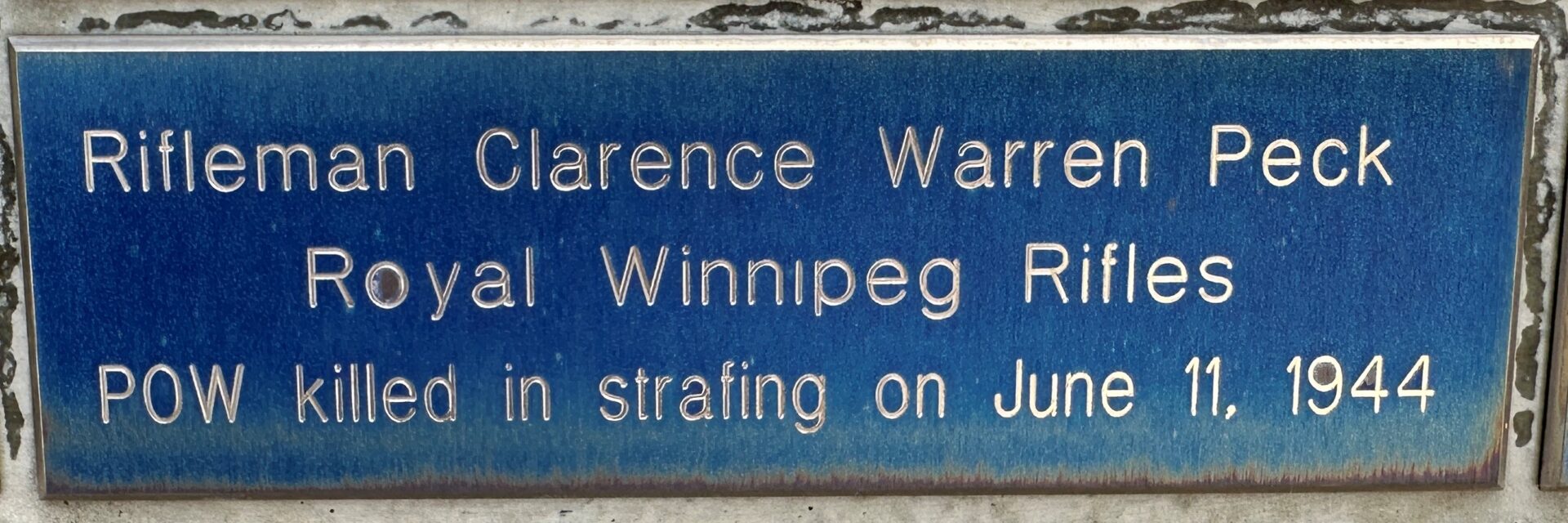
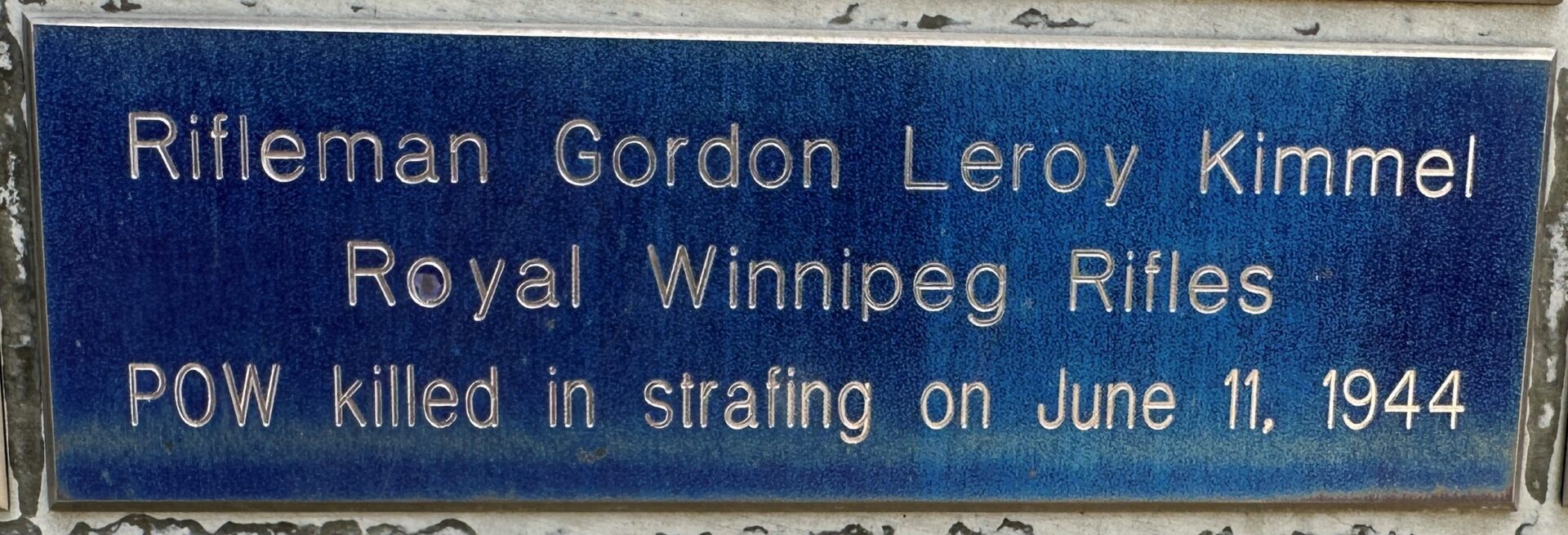
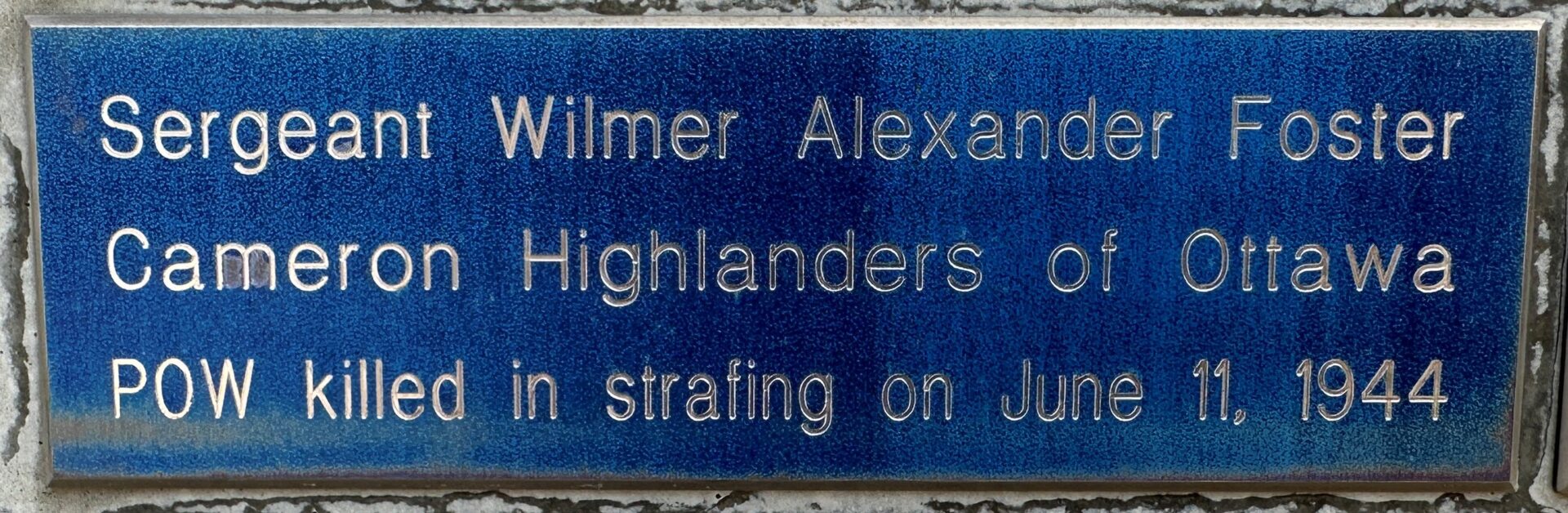
We are grateful to Shirley Stone for her extensive research and for sharing valuable information and images related to this tragedy. A heartfelt thank you to Shirley for her continued support of the Juno Beach Centre: she dedicated commemorative bricks in honour of the 15 Canadian soldiers killed in this incident, as well as George ROSTA, a survivor of the first air attack who died later in Langeais in the second air attack.
Among the Canadian soldiers killed, six were members of the North Nova Scotia Highlanders
The North Nova Scotia Highlanders were taken prisoner on June 7, 1944. They were brought to the Abbaye d’Ardenne, where German forces randomly selected some prisoners of war for execution. Upon arrival at the 12th SS Headquarters in Venoix (Caen), the officers were taken inside for interrogation while the other prisoners waited in the courtyard. Later, they were forced to march to the school in Bretteville-sur-Odon, where they spent the night. On June 11, 1944, they began marching on foot toward Rennes. Near Saint-Georges-des-Groseillers, three Allied planes mistakenly opened fire on the column, believing it to be a German convoy, and killed 15 Canadian soldiers.
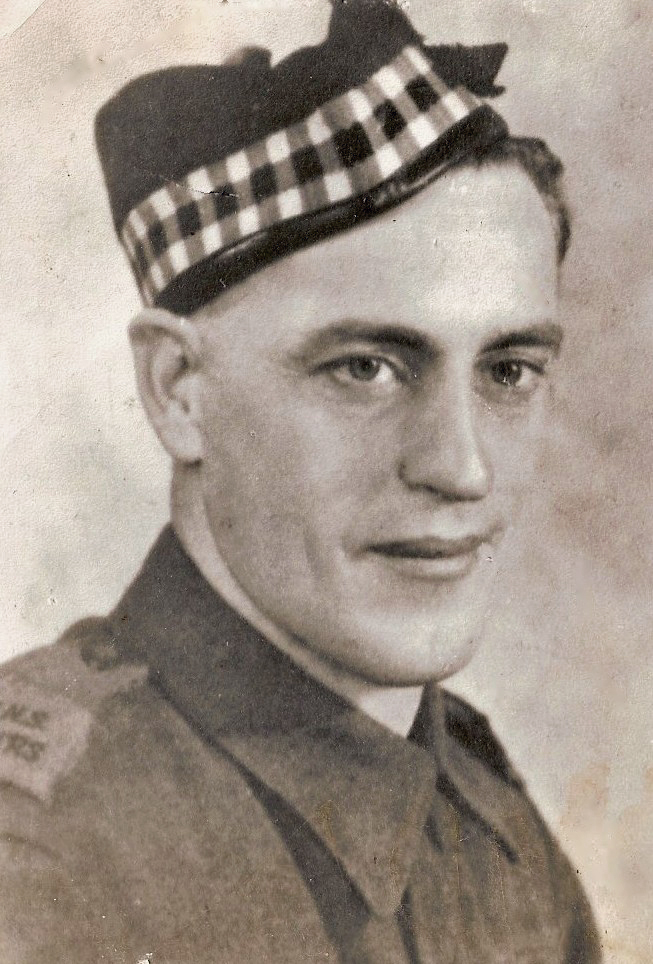
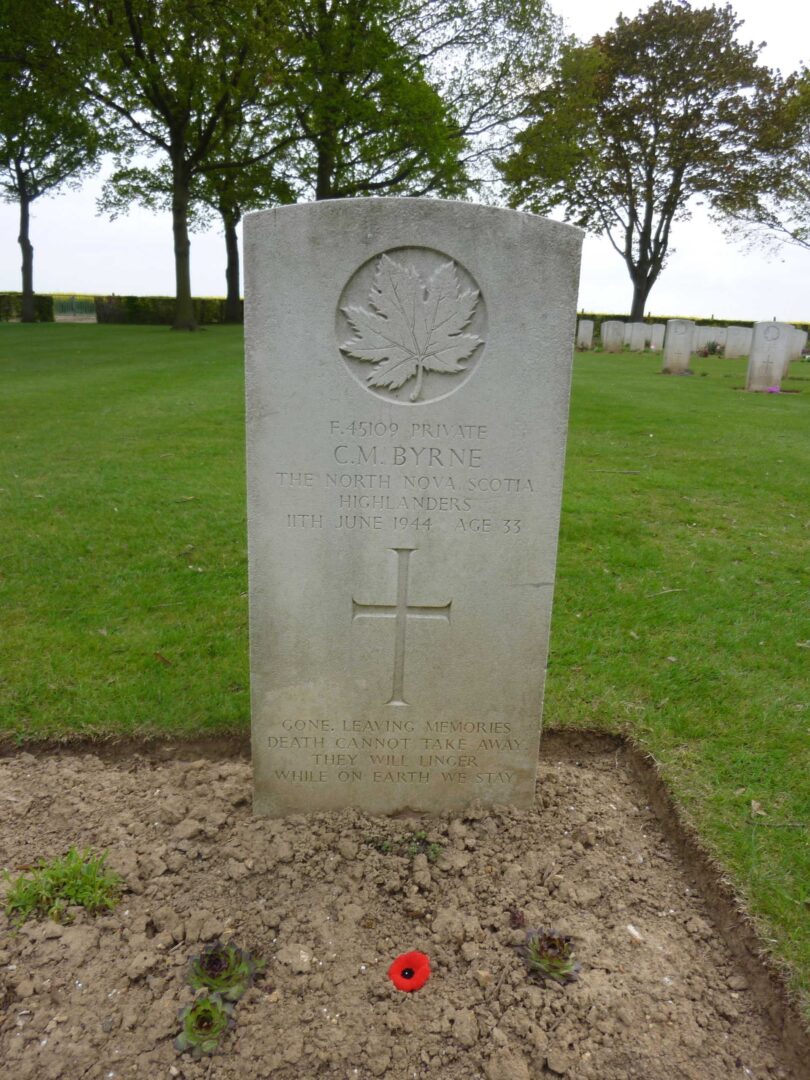
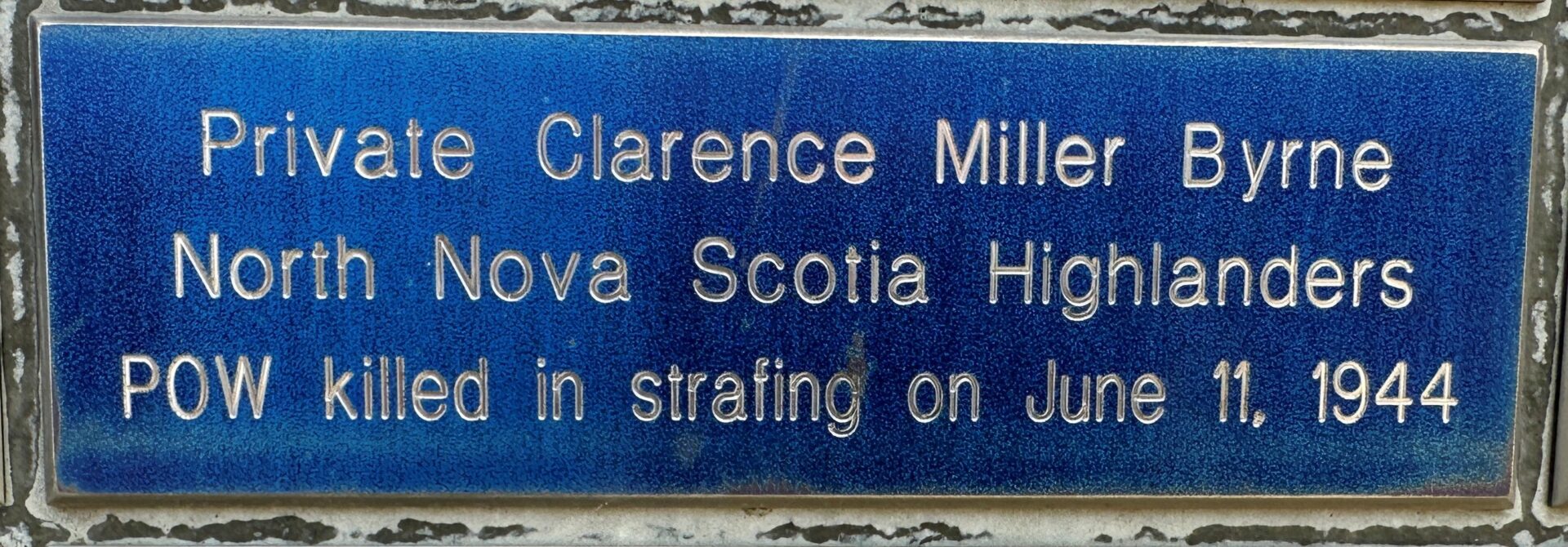
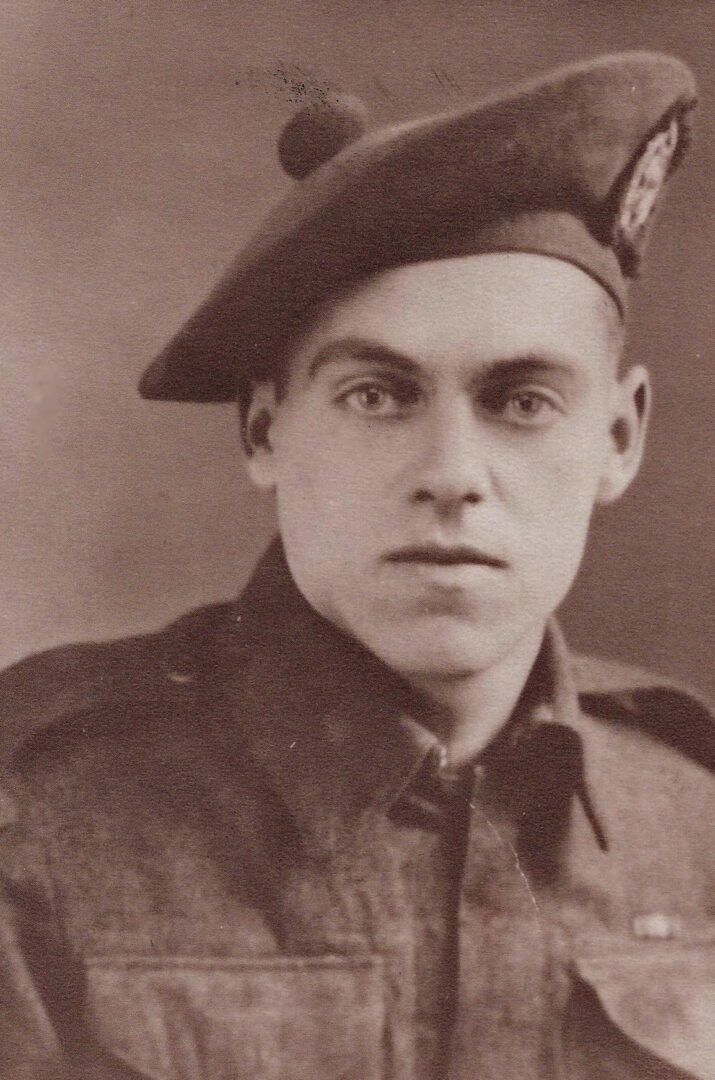
Private Clarence Miller BYRNE was born on March 6, 1911, in Pictou County, Nova Scotia. He married Lillian Isabel on October 9, 1933, and they had four children: Mildred, Donald, George, and William. He enlisted on June 24, 1940, joining the North Nova Scotia Highlanders. He arrived in England on July 30, 1941, for further training. He landed on Juno Beach on June 6, 1944, and was taken prisoner the next day. He died five days later.

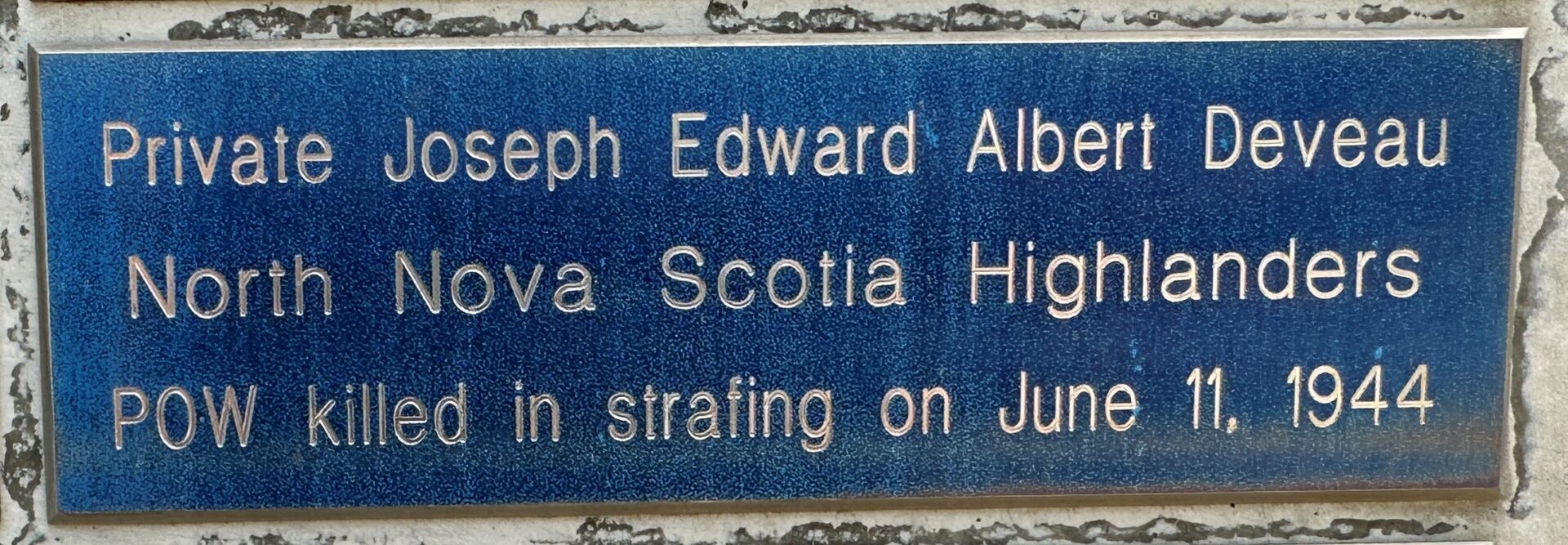
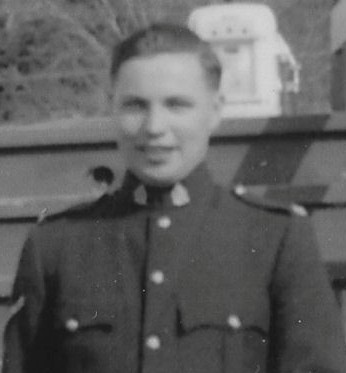
Private Joseph Edward Albert DEVEAU was born on December 2, 1921, in Salmon River, Nova Scotia. He enlisted on June 12, 1941, and arrived in England on March 10, 1942, for training. He landed on Juno Beach on June 6, 1944, was taken prisoner the next day, and died five days later.
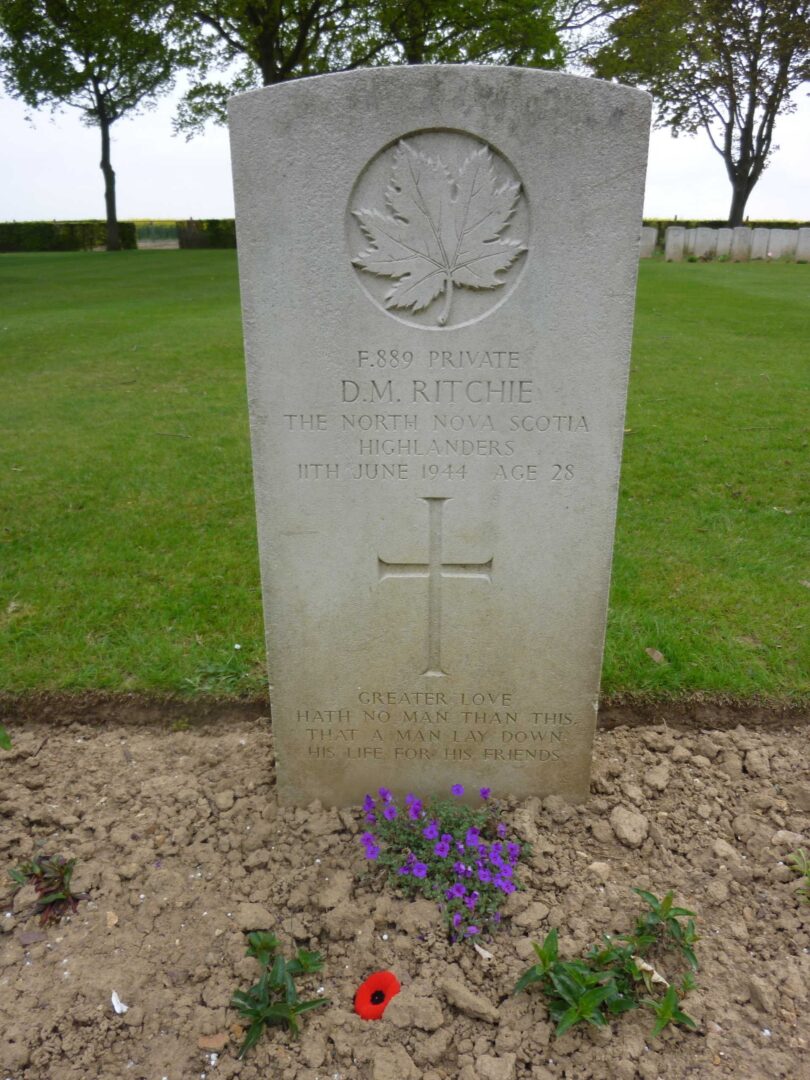
Private Donald Murray RITCHIE, commonly known as Don, was born on June 11, 1916, in West River Station, Nova Scotia. He landed on Juno Beach on June 6, 1944, and was captured the following day. He was last seen on the afternoon of June 7 between Buron and Authie. In fact, he had been captured with other members of the North Nova Scotia Highlanders. Don was killed on June 11, his 28th birthday.
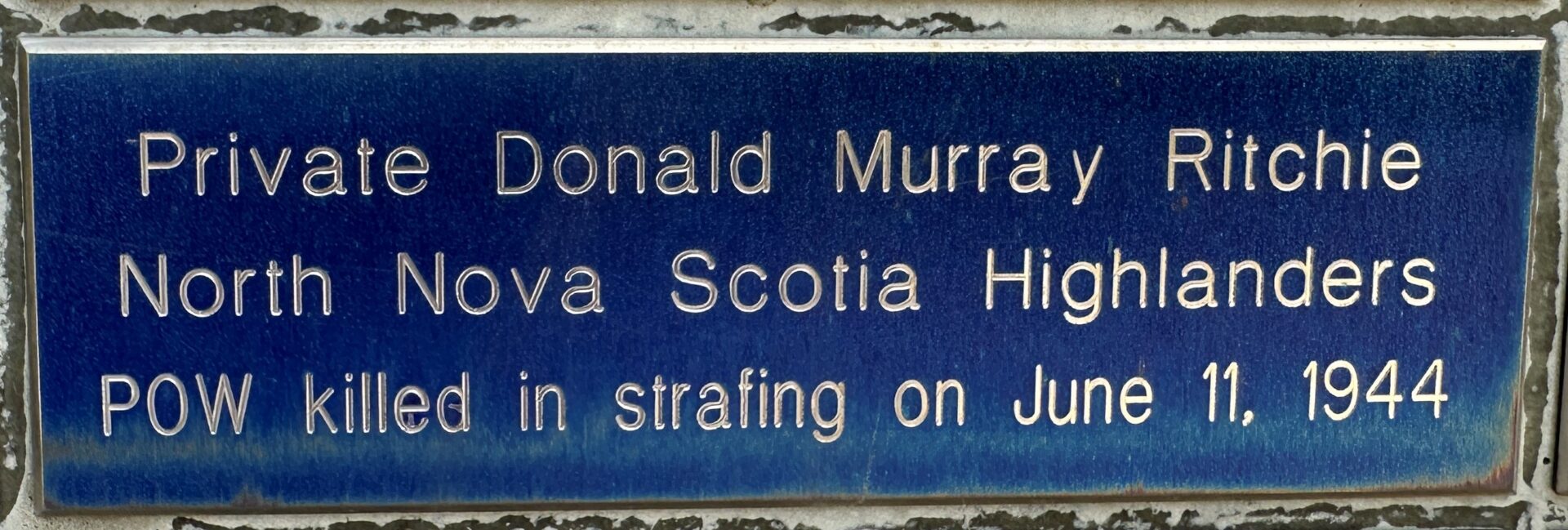
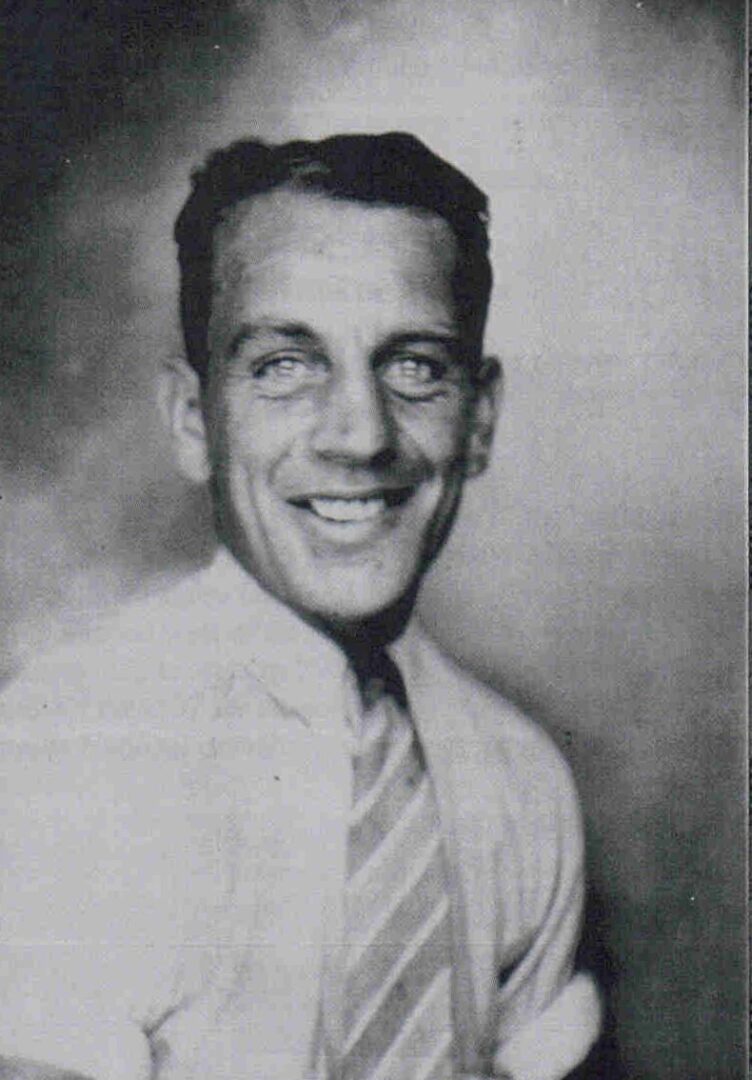
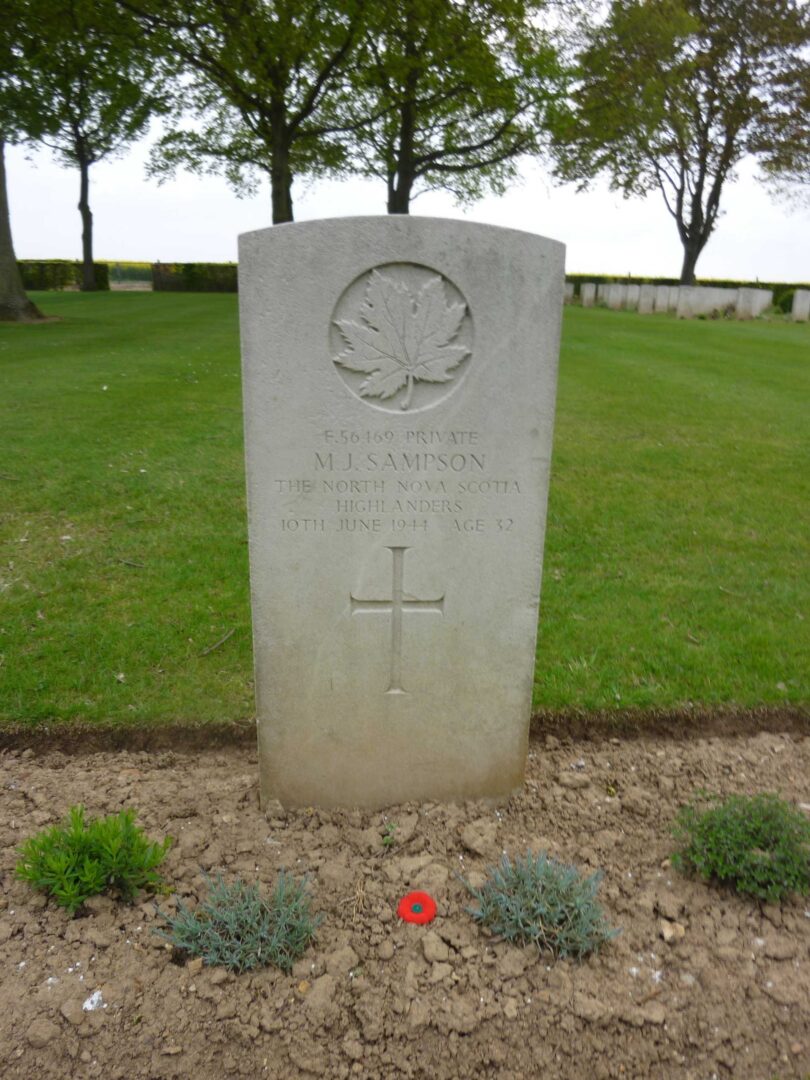
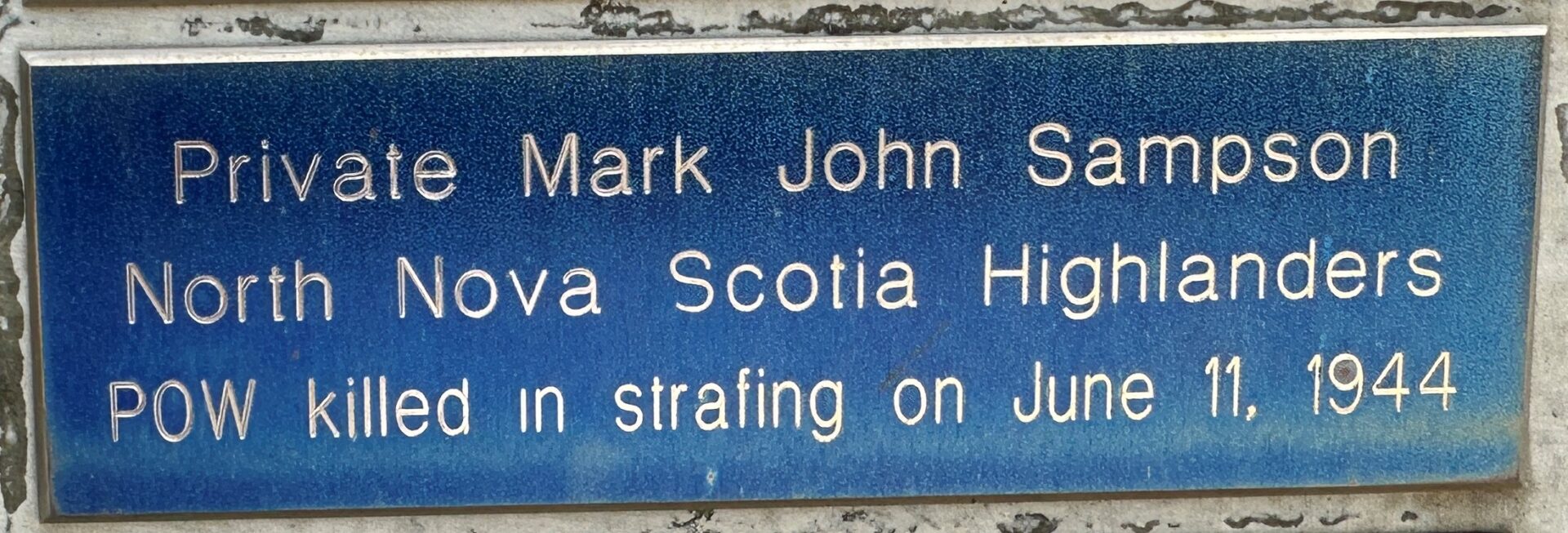
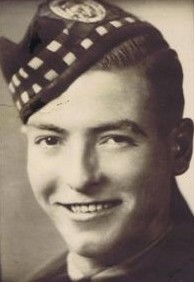
Private Mark John SAMPSON was born on October 24, 1911, in River Bourgeois, Nova Scotia. He enlisted on March 12, 1943. His brother Edmund also served, with the North Shore Regiment, and was killed on April 24, 1945. Mark arrived in England on September 19, 1943, for training and joined the North Nova Scotia Highlanders on December 17, 1943. He landed on June 6, 1944, was captured the next day, and was killed on June 11.
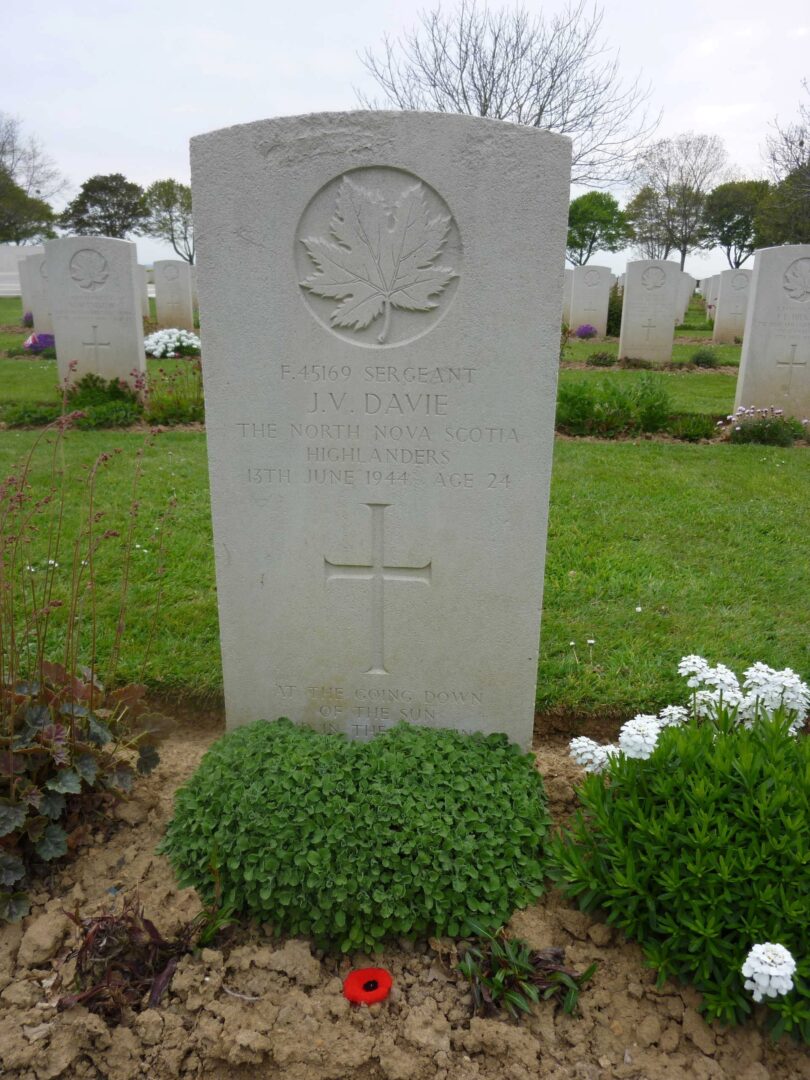
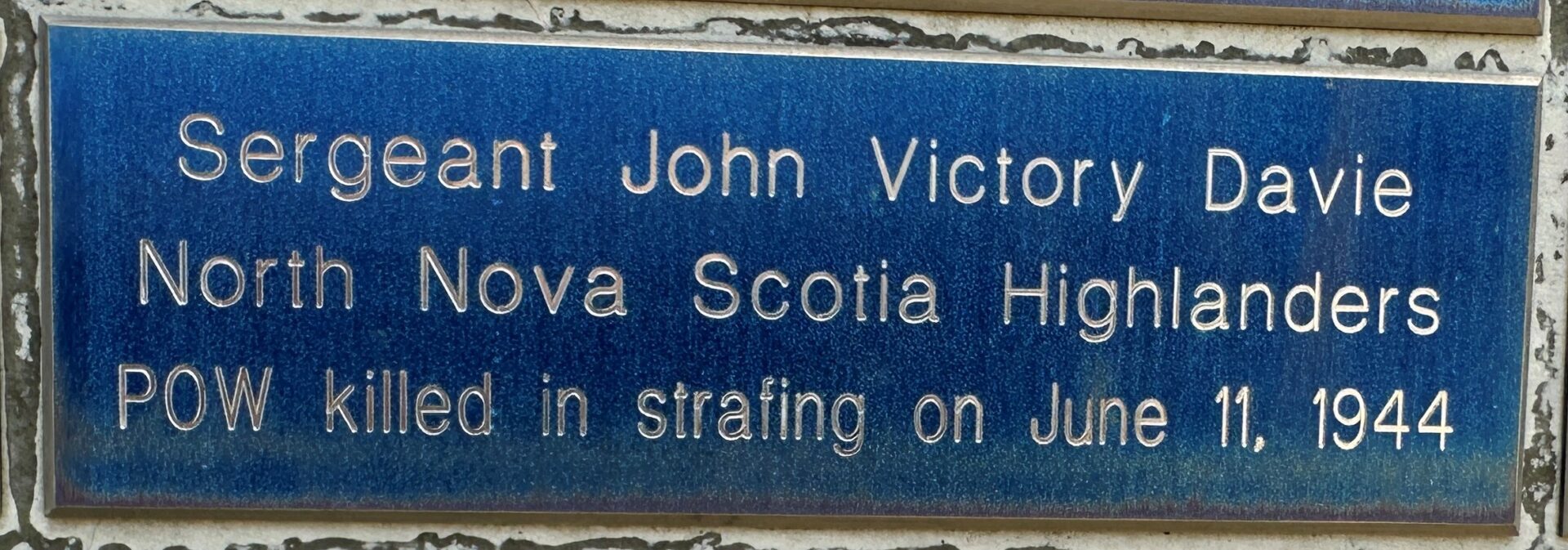
Sergeant John Victory DAVIE was born on January 31, 1920, in Edinburgh, Scotland. He enlisted on June 25, 1940, and arrived in England on July 31, 1941. In 1943, he was sent to Tunisia to gain combat experience as part of a non-commissioned officer exchange scheme. He later landed in France on June 6, 1944, with the North Nova Scotia Highlanders. He was reported missing in action on June 7, 1944. In reality, he had been captured. During the June 11 airstrike, John was wounded and taken to a field hospital near Flers. Unfortunately, he was injured again en route. Two local women tried to comfort him with a bit of Calvados. He died during the night at the Pont-Ramond infirmary and was later buried in the communal cemetery of La Chapelle-au-Moine.
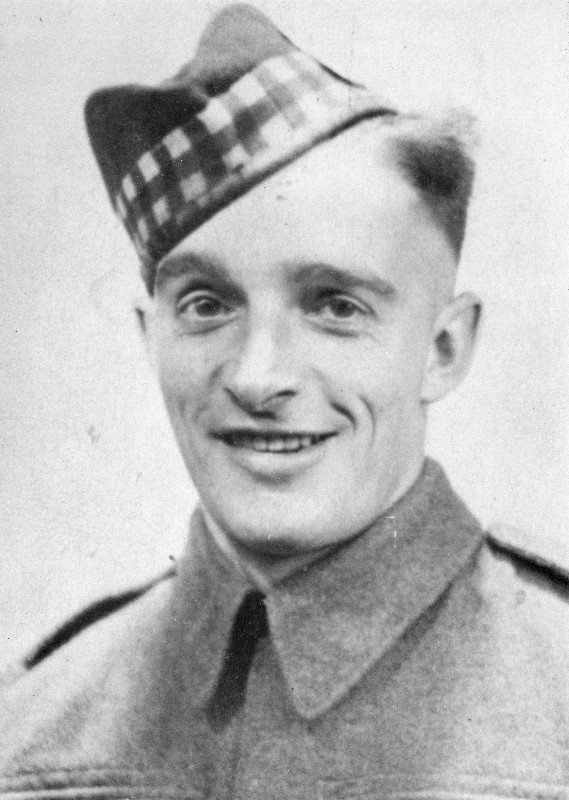
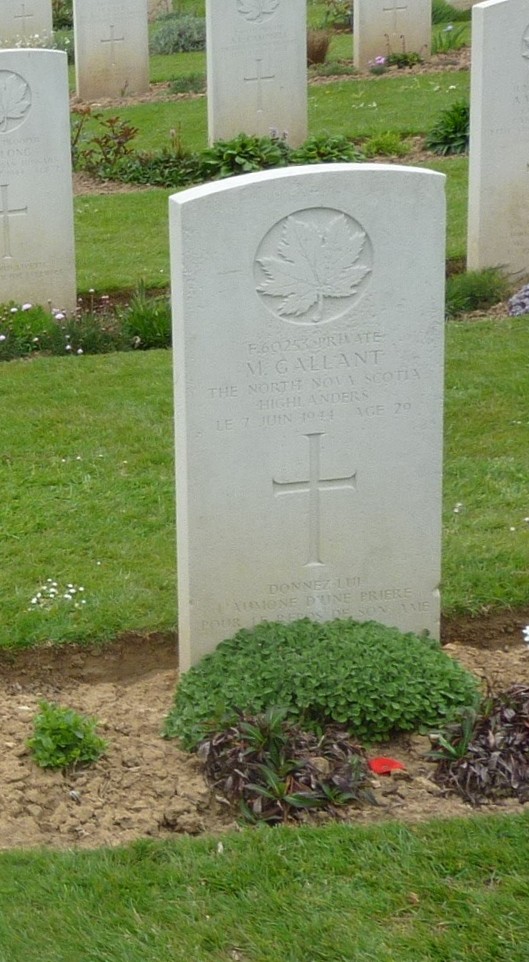
Martin GALLANT was born on April 2, 1915, in Wellington, Prince Edward Island. He enlisted on June 19, 1940, and arrived in England in July 1941. He landed on Juno Beach on June 6, 1944, with the North Nova Scotia Highlanders and was captured the next day. On June 11, he was wounded during the strafing and later died from his injuries on June 14, 1944, in a field hospital near Flers.
Eight of the Canadian soldiers killed belonged to the Royal Winnipeg Rifles, and one to the Cameron Highlanders of Ottawa
The prisoners of war from the Royal Winnipeg Rifles and the Cameron Highlanders of Ottawa were captured on June 8, 1944, in the Putot-en-Bessin sector. They were forced to march to Caen, where they were publicly displayed. Later that night, the POWs were taken to the school in Bretteville-sur-Odon, where they were regrouped with prisoners from the North Nova Scotia Highlanders. On June 11, 1944, they began the march toward Rennes. Near Saint-Georges-des-Groseillers, three Allied planes mistakenly opened fire on the column, believing it to be a German convoy, and killed 15 Canadian soldiers.
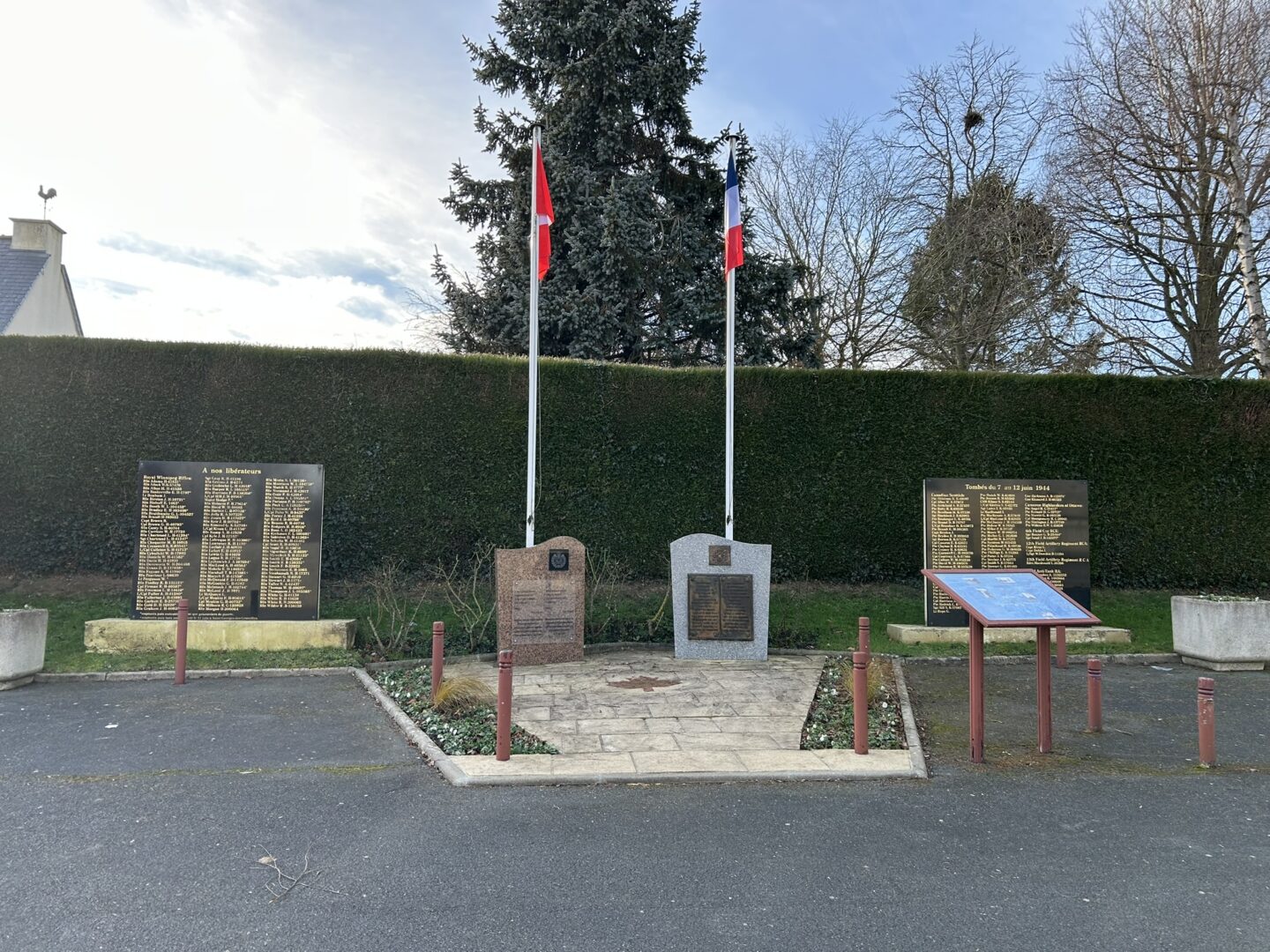
At Putot-en-Bessin, a memorial stone honours the Canadians captured during the German counterattack on June 8, 1944, some of whom were summarily executed by the 12th SS Panzer Division. For eight of them, the inscription notes: “Captured and later killed by accident on June 11 at Saint-Georges-des-Groseillers.” This tragic episode is recounted in Hold the Oak Line by Frédérick Jeanne, which includes testimonies from Canadian soldiers who witnessed the events.
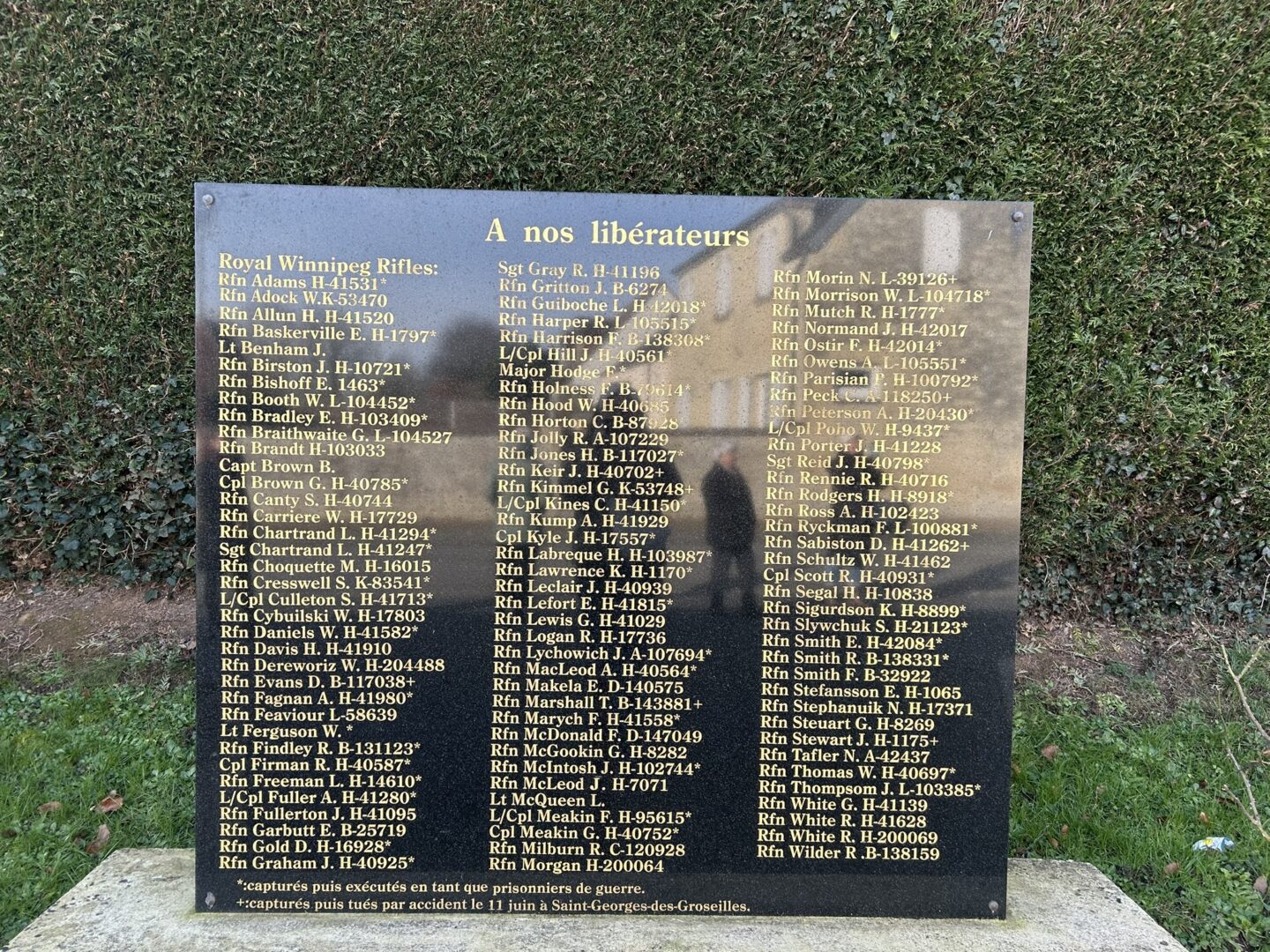

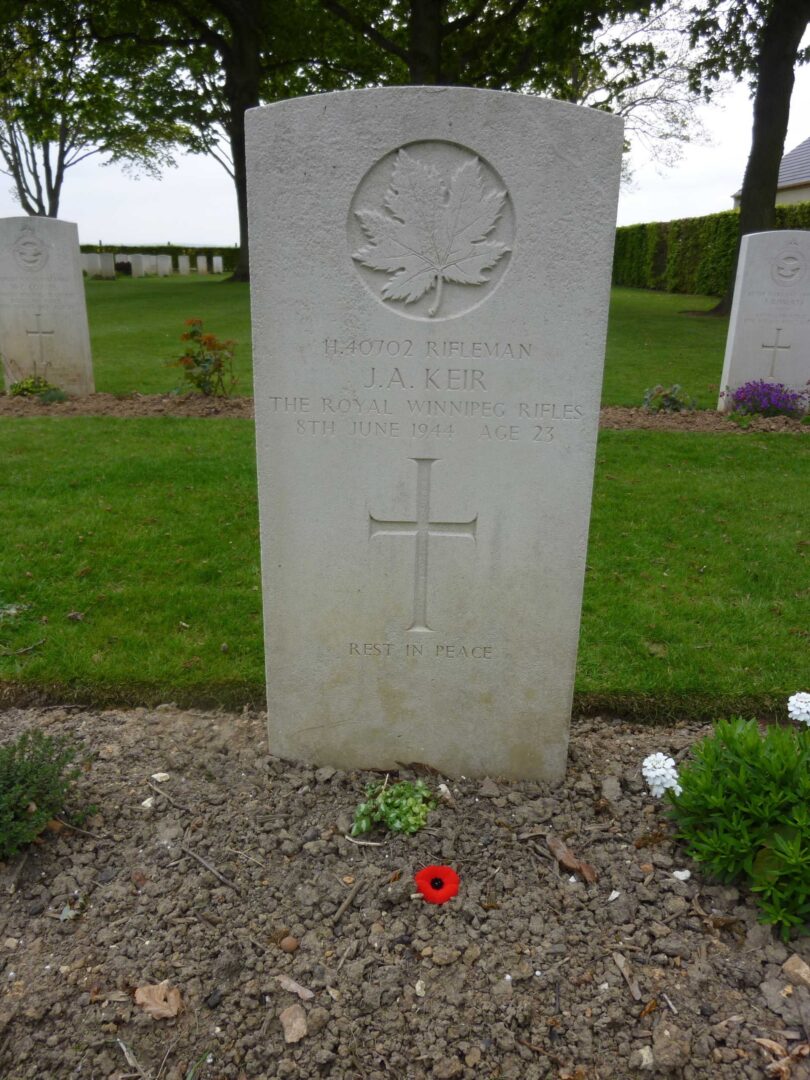
Rifleman James Anderson KEIR, known as Jim, was born on June 23, 1920, in Winnipeg. He enlisted on June 14, 1940, and arrived in England in August 1941. He landed with the Royal Winnipeg Rifles on June 6, 1944, was captured on June 8, and was killed during the airstrike on June 11, 1944.
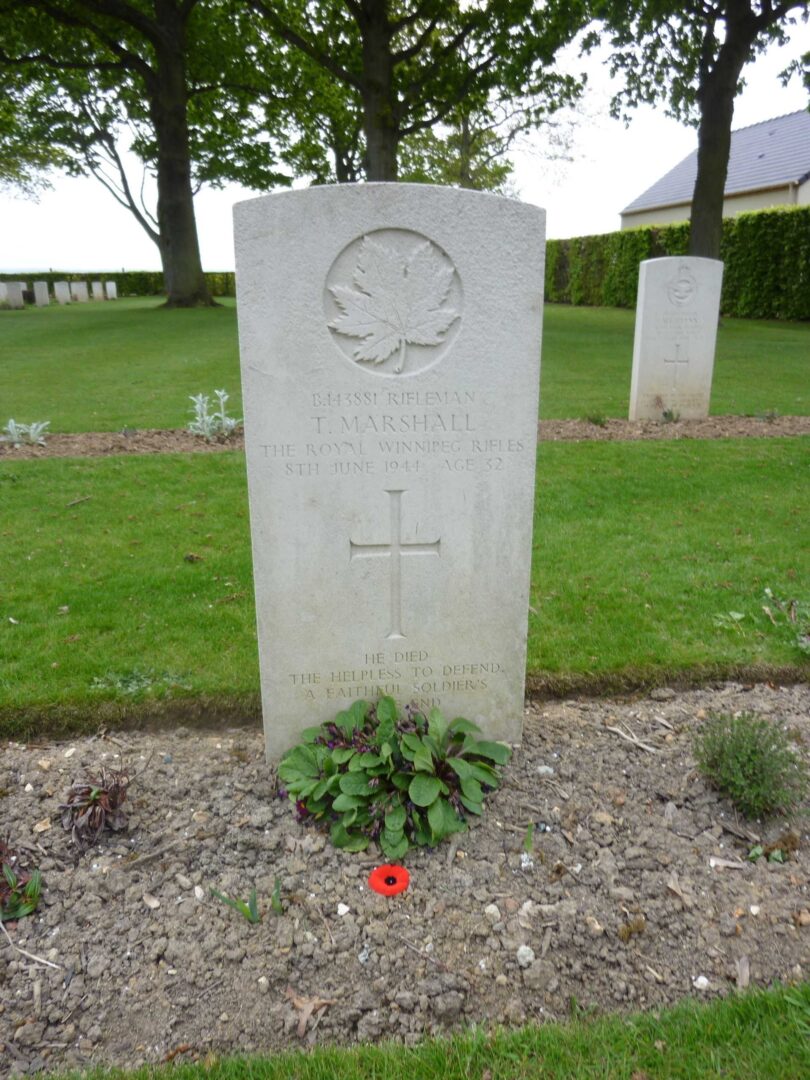
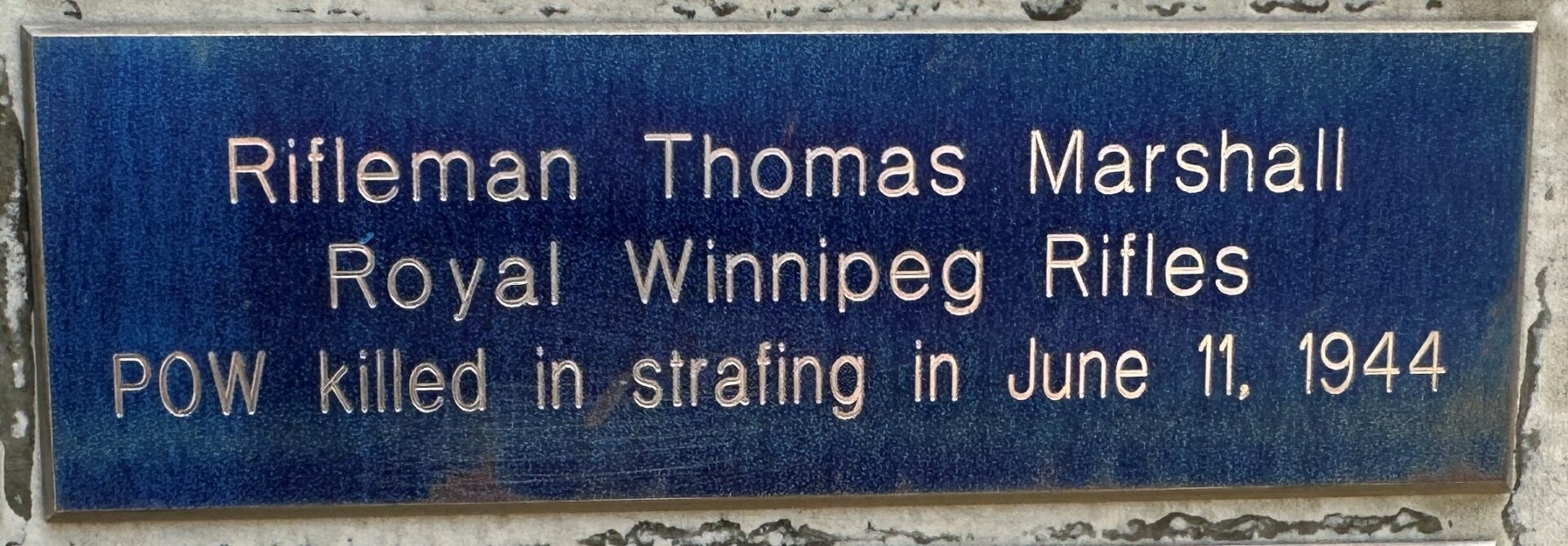
Rifleman Thomas MARSHALL was born on December 26, 1912, in Motherwell, Scotland. He emigrated to Canada in May 1929. He married Florence May in Ontario on July 25, 1942, and enlisted on March 9, 1943. He continued his training in England starting January 12, 1944. He landed with the Royal Winnipeg Rifles on June 6, 1944, was captured on June 8, and was killed three days later.
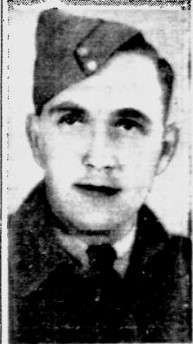
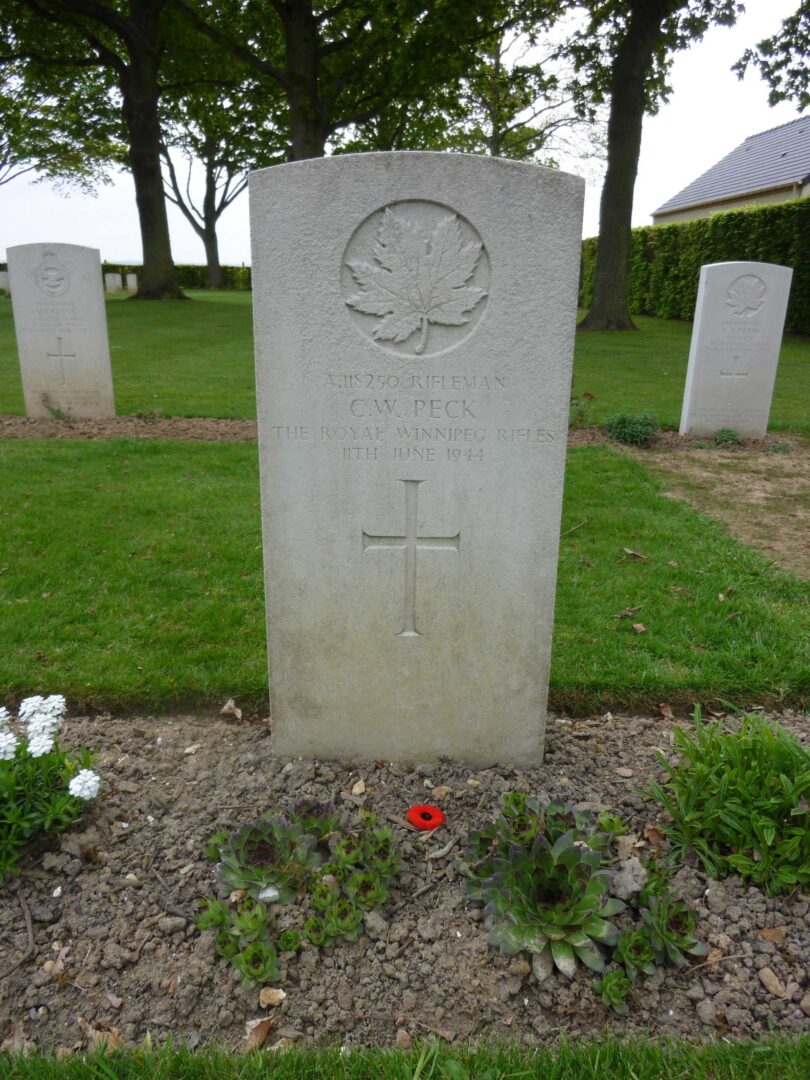
Rifleman Clarence Warren PECK was born on January 21, 1912, in Detroit, Michigan. His family settled in Ontario. A cadet for four years, he enlisted on July 6, 1943. He was initially assigned to the Essex Scottish Regiment, training in England in February 1944, then transferred to the Royal Winnipeg Rifles. He landed with that regiment on June 6, 1944, was captured on June 8, and was killed in the June 11 airstrike.
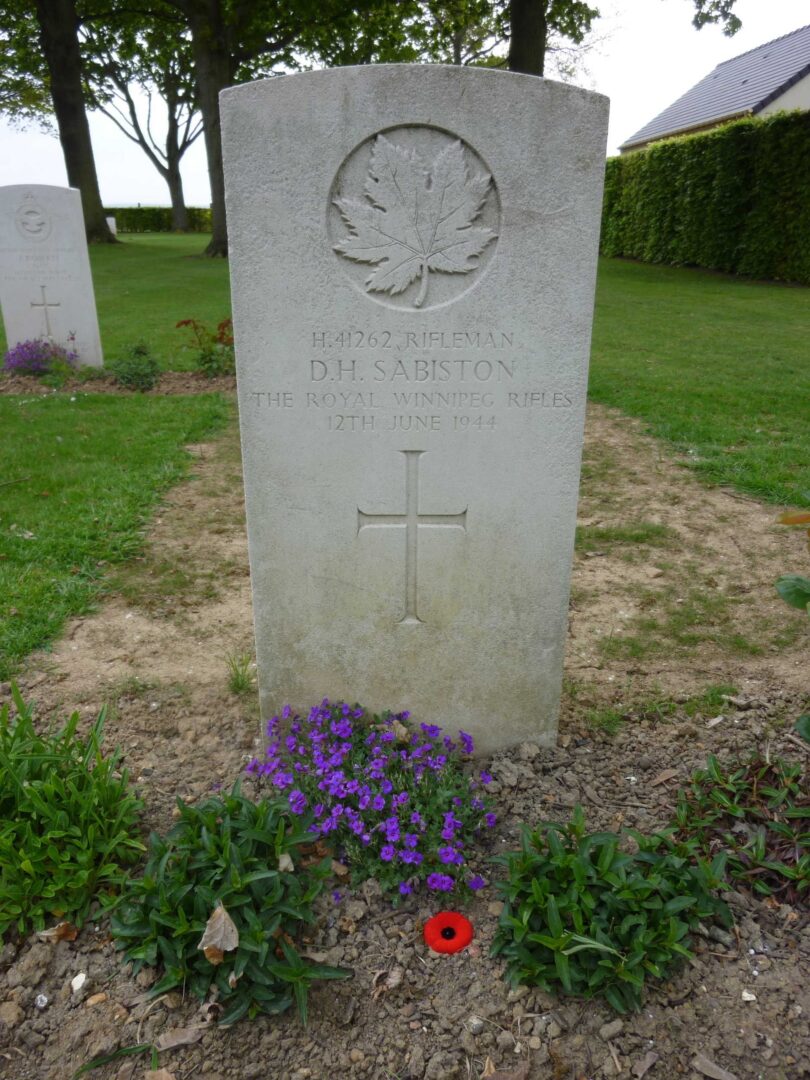
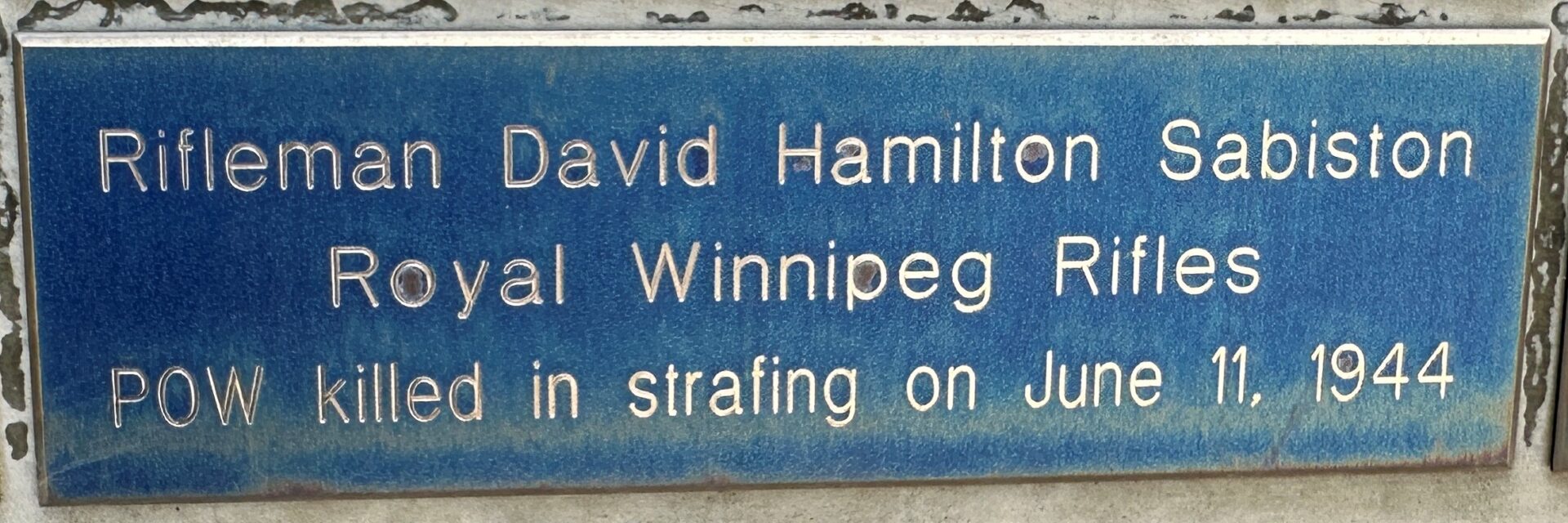
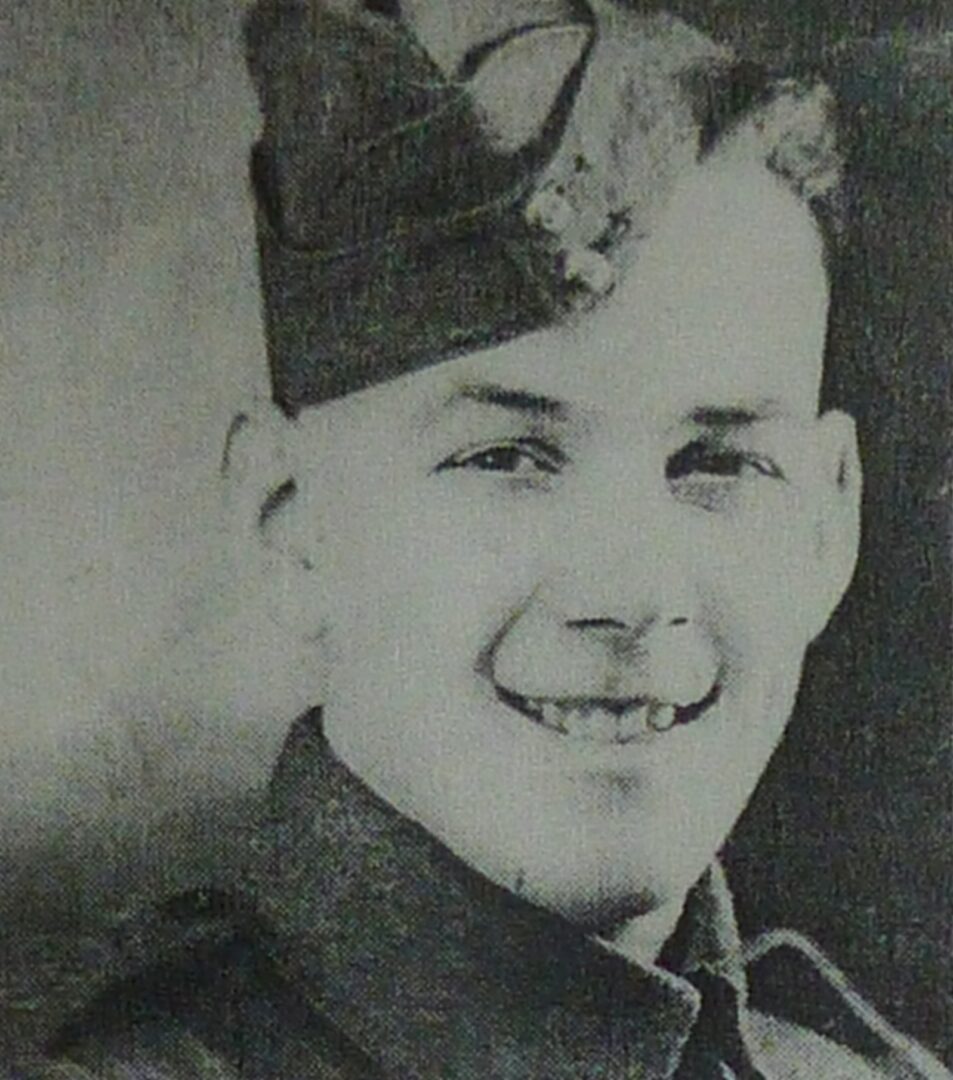
Rifleman David Hamilton SABISTON was born on January 25, 1914, in Fairford, Manitoba. He enlisted on June 27, 1940, and arrived in Liverpool on September 12, 1941, for further training. David landed with the Royal Winnipeg Rifles on June 6, 1944. The next day, as a dispatch rider, he set off on motorcycle near Putot-en-Bessin to report on enemy positions. Captured on June 8, he was killed in the June 11 airstrike.
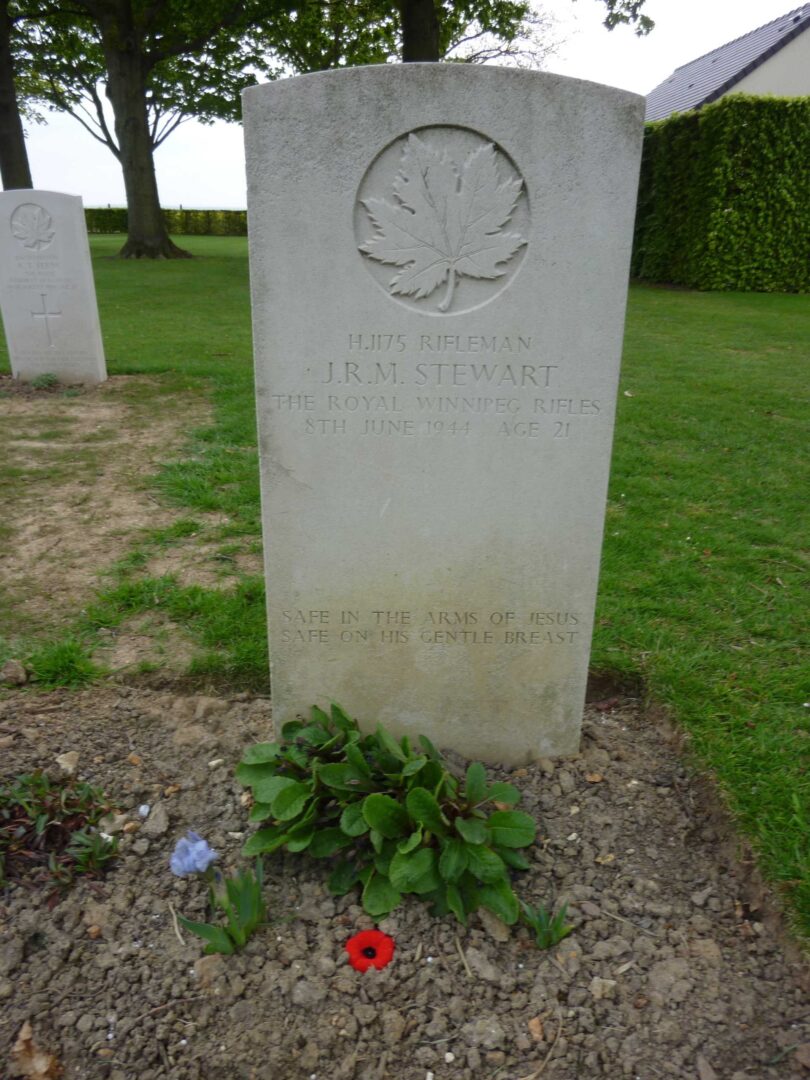
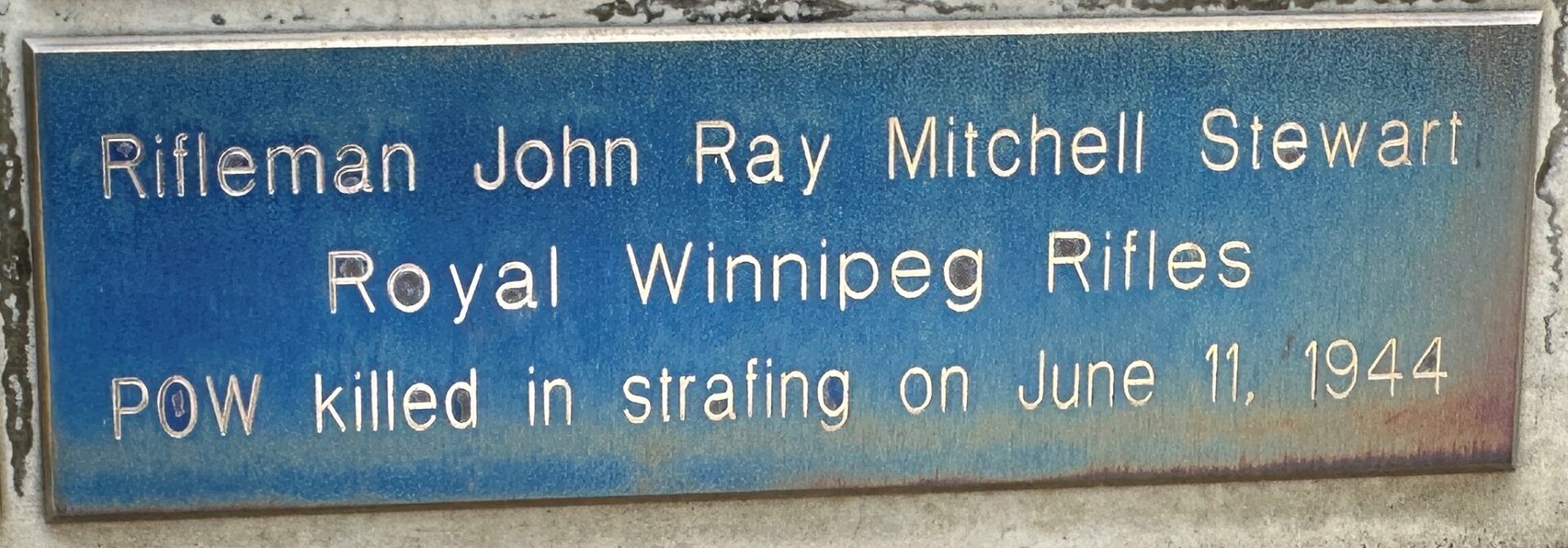
Rifleman John Ray Mitchell STEWART, known as Ray, was born on April 23, 1923, in Muir, Manitoba. He enlisted on January 8, 1943. A few months later, his brother Norman also enlisted but died during dispatch rider training. Ray arrived in England on July 24, 1943, landed on June 6, 1944, with the Royal Winnipeg Rifles, and was captured two days later. On June 11, his POW column was hit by the airstrike.
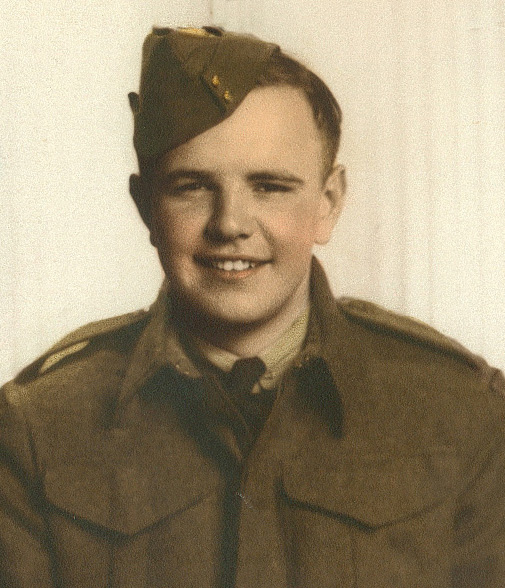
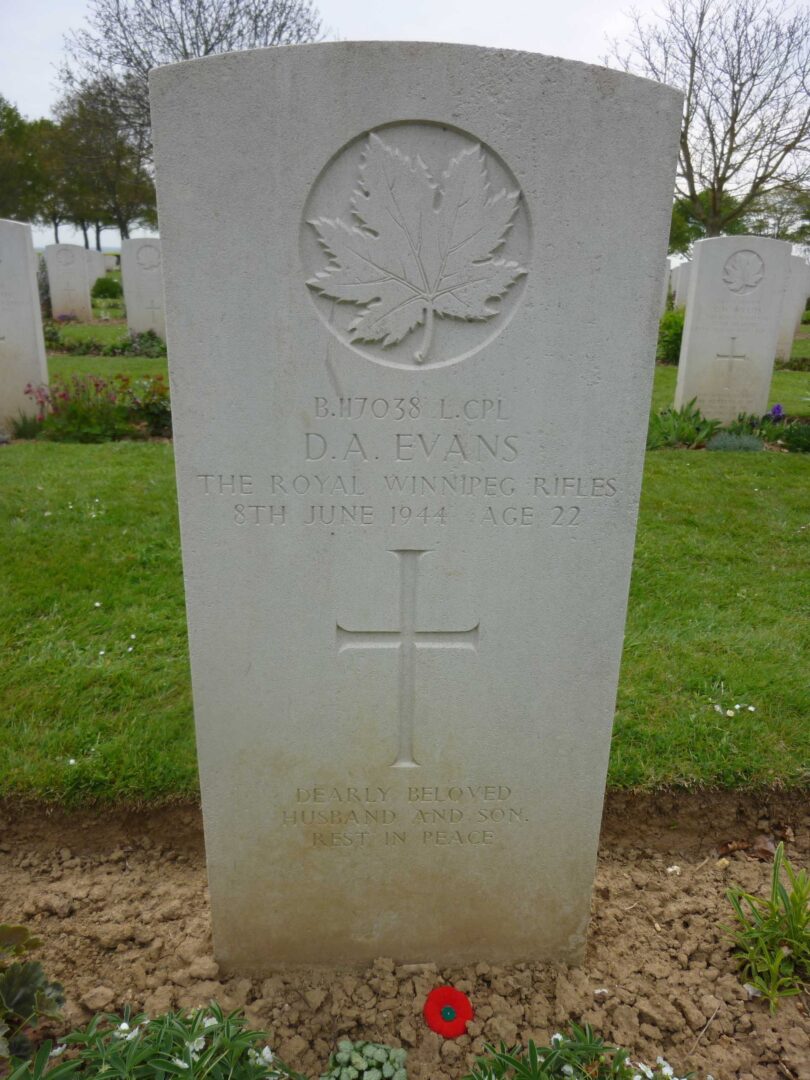
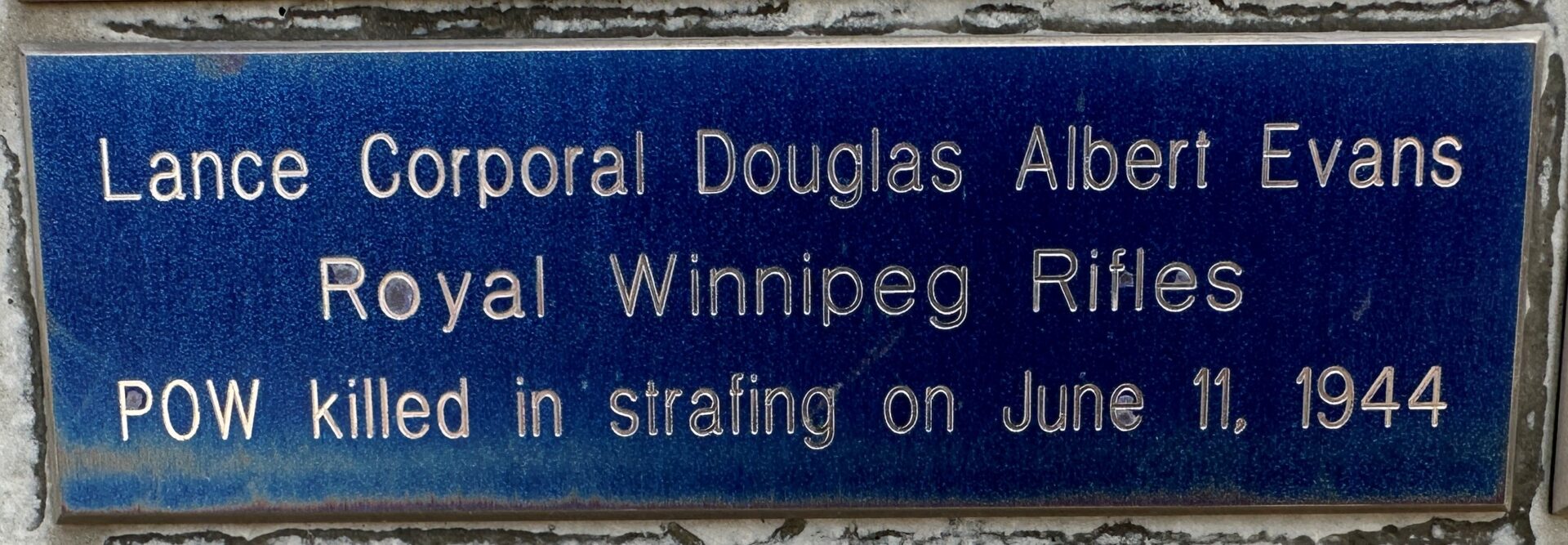
Lance Corporal Douglas Albert EVANS was born on November 6, 1924, in Mount Dennis, Ontario. He enlisted on September 24, 1943, and during a leave in March 1944, married Mary Ellen. He arrived in England on May 9, 1944, and landed on D-Day with the Royal Winnipeg Rifles. He was seriously wounded on June 11, taken to a field hospital near Flers, and died of his injuries on June 14, 1944.
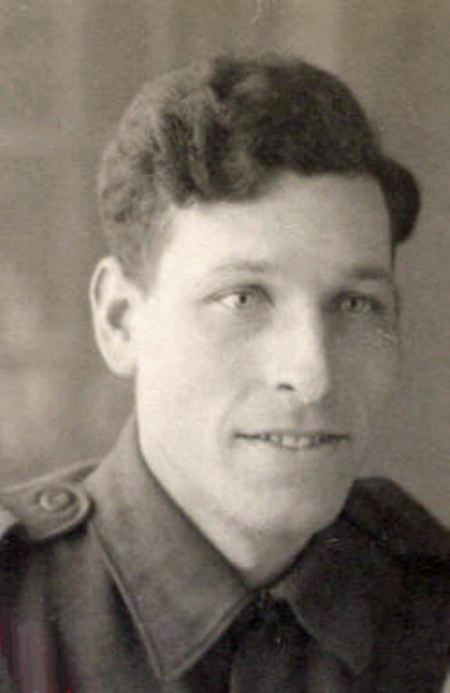
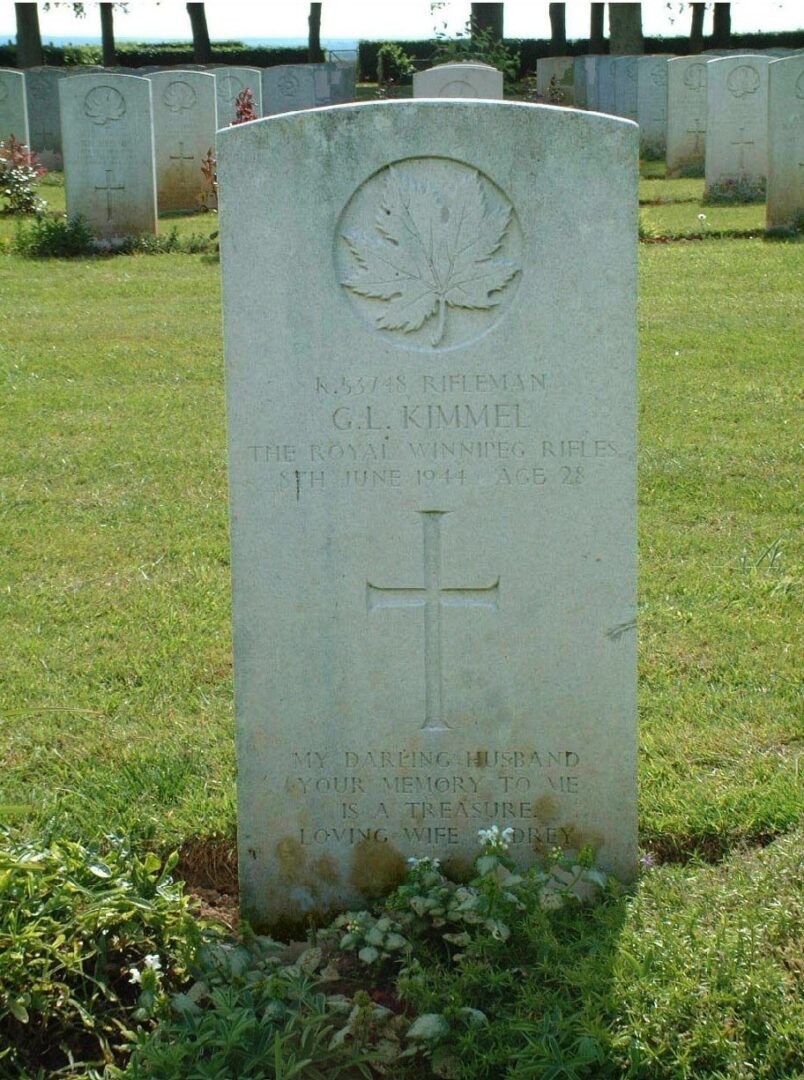
Rifleman Gordon Leroy KIMMEL, known as Gord, was born on March 19, 1916, in Lancaster, Illinois. His family moved to British Columbia, and he enlisted in Vancouver on June 20, 1940. He first joined the Seaforth Highlanders of Canada before being transferred to the Royal Winnipeg Rifles. After arriving in England in April 1942, he continued training. In May 1944, he married Audey Irene before landing on Juno Beach on June 6, 1944. The Royal Winnipeg Rifles’ war diary states that Rifleman Gord Kimmel “showed exceptional bravery by neutralizing a bunker on the beach using only his rifle and bayonet.” On June 11, he was severely wounded and taken to a field hospital, where he died that evening. His brother Richard, serving with the Regina Rifles, was killed a week later, on June 18, 1944. Another brother, Clifford, of the Hastings and Prince Edward Regiment, was killed in Italy on December 5, 1944. Their mother, Sylvia, was selected by the Royal Canadian Legion in 1961 to be Canada’s “Silver Cross Mother.”
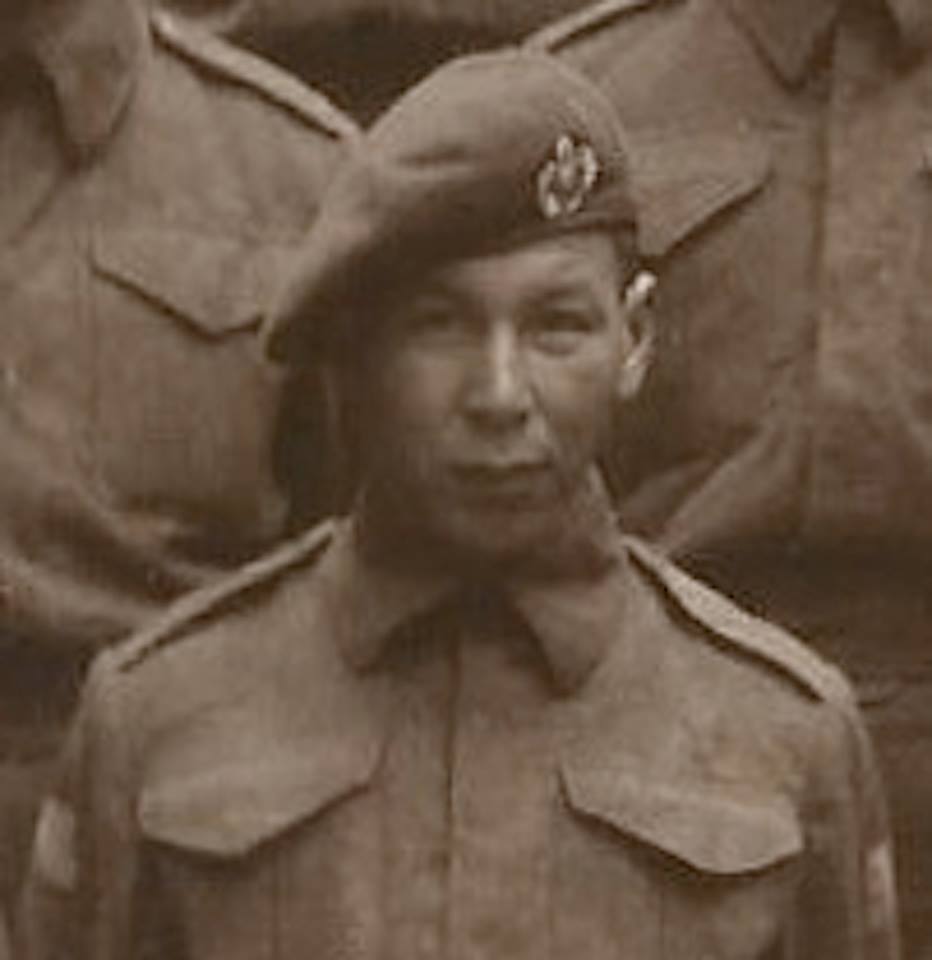
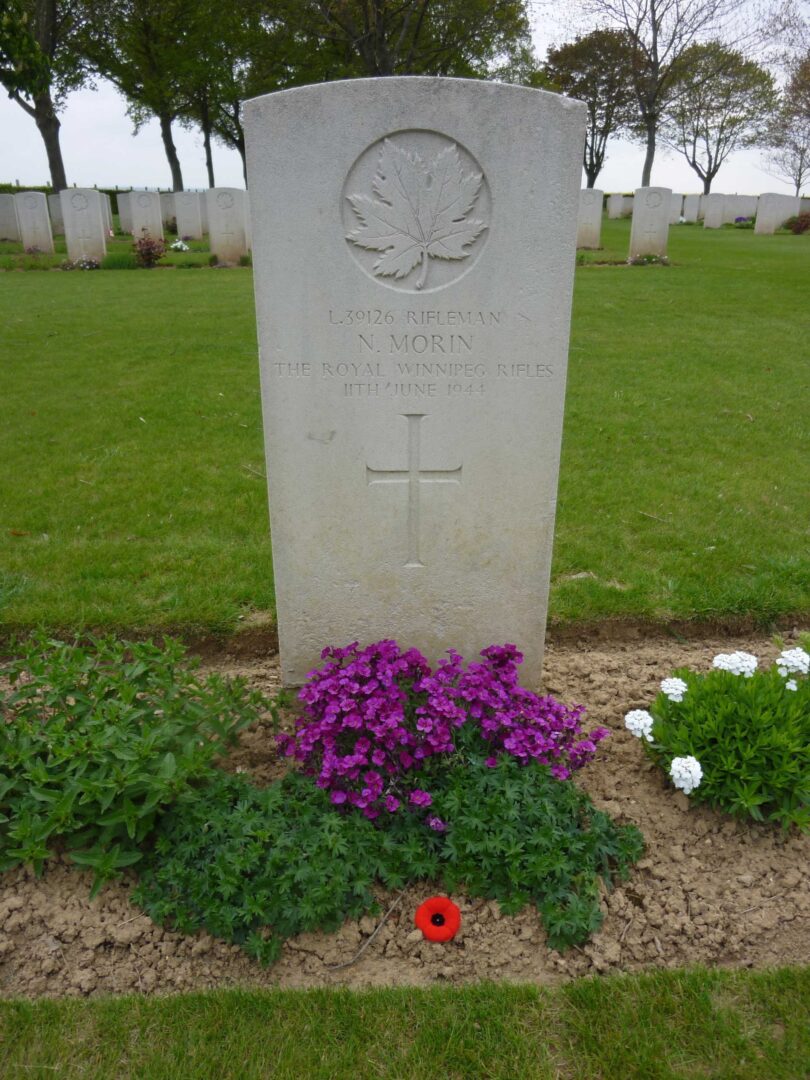
Rifleman Napoleon MORIN was born on November 2, 1921, in Cumberland House, Saskatchewan. He enlisted on June 21, 1941, with the 20th Army Tank Regiment, and later, in January 1943, joined the Royal Winnipeg Rifles while in England. He landed on June 6, 1944, and was captured on June 8. He was wounded during the June 11 airstrike and died a few days later, on June 14, 1944, in a field hospital.
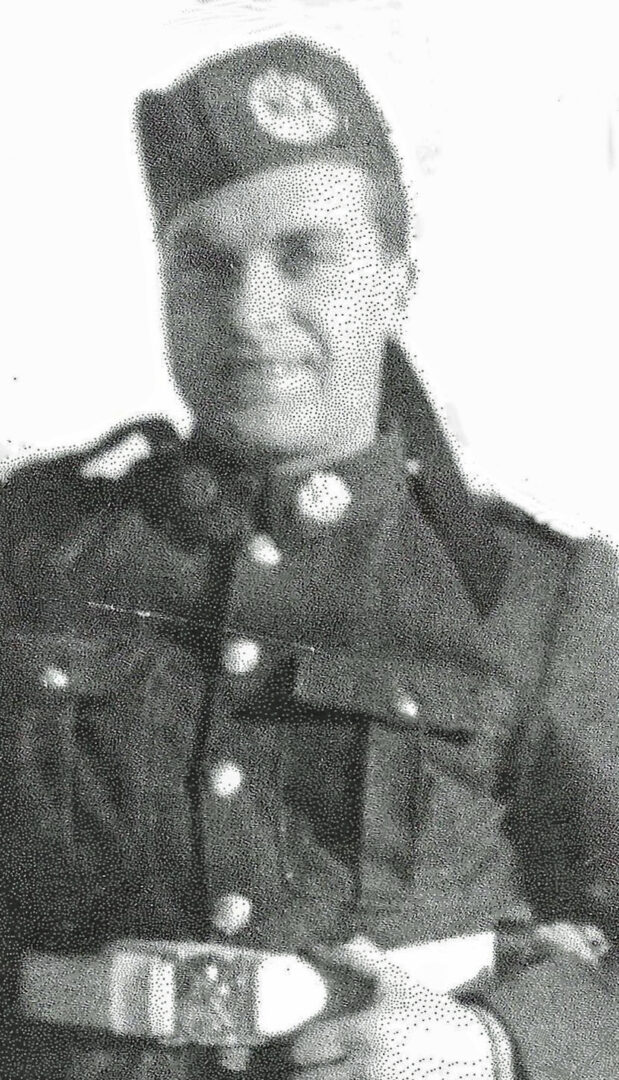
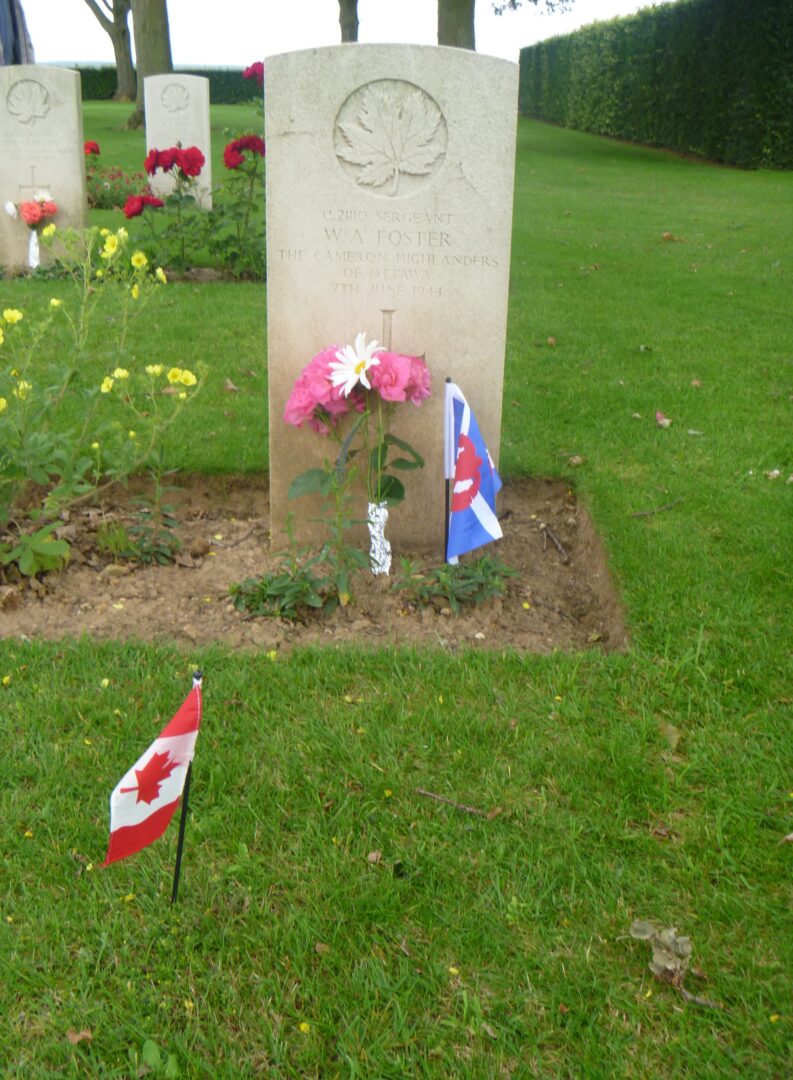
Sergeant Wilmer Alexander FOSTER, known as “Woody,” was born on June 21, 1914, in Desboro, Ontario. Two of his older brothers had died in the First World War. He enlisted on September 17, 1939. After leaving Canada for Iceland in July 1940, he arrived in Scotland in May 1941. He landed on June 6, 1944, with the Cameron Highlanders of Ottawa, and was captured on June 8. On June 11, he sought shelter in an orchard during the strafing and was gravely wounded. Father Labutt, local priest, remained by his side until he passed away later that night.
This tragic episode is recounted in Hold the Oak Line by Frédérick Jeanne, which includes testimonies from Canadian soldiers who witnessed the events.
See more


Donate
to the JBC
As a primarily privately-funded museum, it’s our donors who have made the dream of the Juno Beach Centre a reality.
Learn more about the unique initiatives you can help fund or make a gift to our general fund today to honour the legacy of Canada’s Veterans and ensure their story continues to be told.







