
Veteran Stories
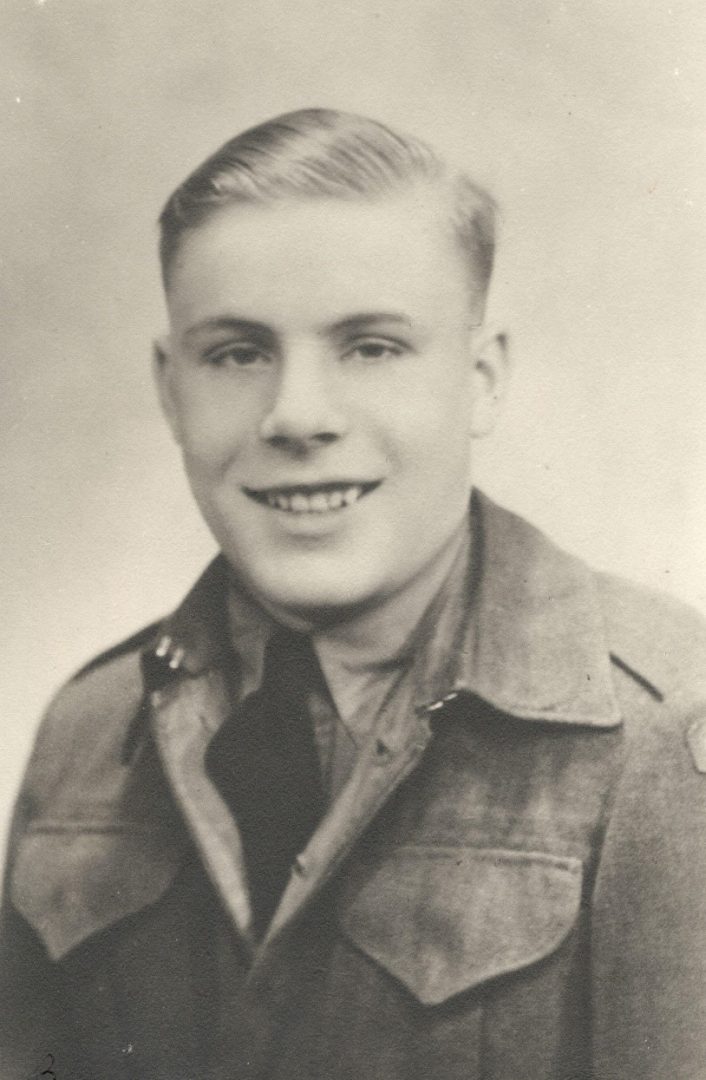
Witnesses to History: John Amedee Godard
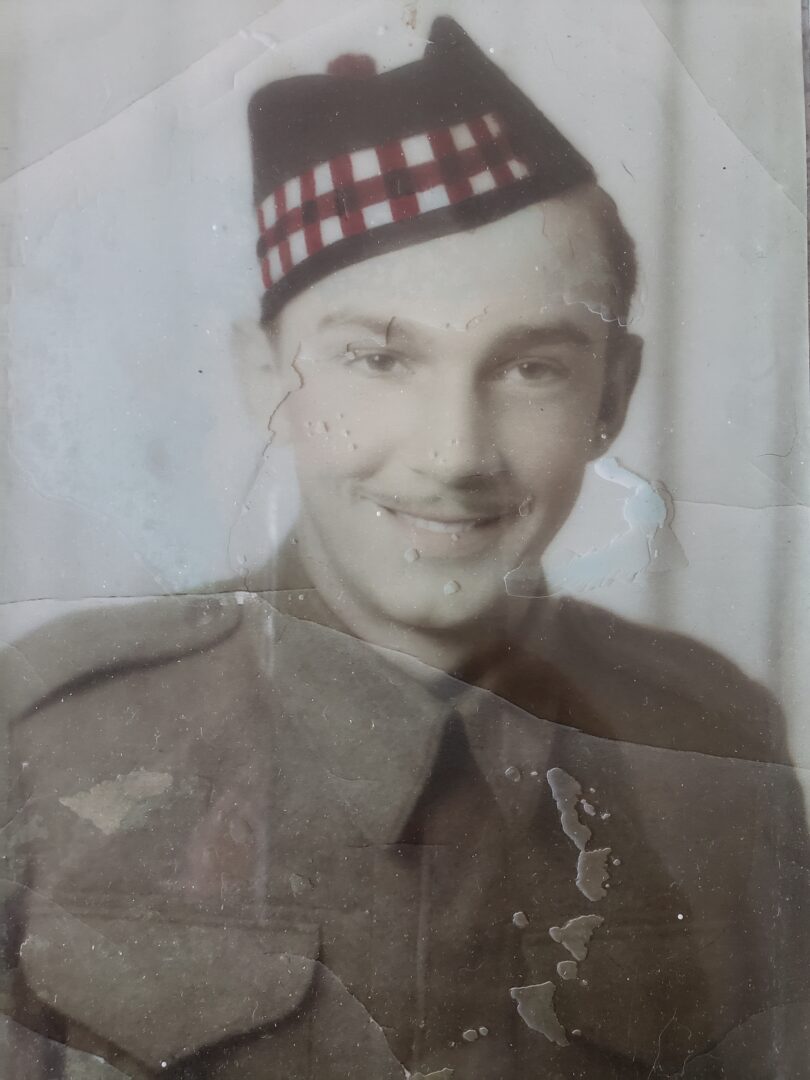
Name: John Amedee Godard – C 54193
Born: October 20, 1919
Place of Birth: Crysler Ontario, Canada
Unit: Stormont, Dundas, and Glengarry Highlanders 9th Brigade / C Division
Awards: 1939 – 45 Star, France and Germany Star, Canadian Volunteer Service Medal and Clasp
Duties during the war: Ambulance driver, truck driver, and mechanic.
Before the War:
John Godard was the son of a French-Canadian farmer. There were 11 children in his family, and they all lived in a small farmhouse in Crysler, Ontario. John had very limited education, leaving school at a young age to help his family on the farm. It was through this that John developed the ability to fix and drive the tractors and large trucks that were used on the farm. These skills were put to use later during his service, helping himself and fellow Canadians in the Second World War.
Training:
John enlisted in Kingston, Ontario in June of 1940. He completed his training in Halifax, Nova Scotia on June 19th, 1941, then set off for England. He arrived in Avonmouth, England on July 30th, 1941. He completed several years of additional training before being sent to France on May 31st, 1944. John arrived in Normandy June 6th, 1944: the morning of the D-Day landings.
Main Battles in the War:
John was part of the second wave to land on Juno Beach. Along with other Canadian divisions, his was instructed to continue inland from the beach and attempt to take control of the Carpiquet Airport, near the town of Villons-les-Buissons. The division was under the assumption that the German army was retreating, but in reality the 12th Panzer SS division, made up of fanatical Hitler youth, awaited the arrival of the Canadians. The encounters of the Canadians with this Panzer division came to be known as “Hell’s Corner”, and many Canadians lost their lives over the course of the month-long battle. One of the most infamous events that occurred during this battle was the massacre at the Ardenne Abbey, where 20 Canadian prisoners of war were executed. With the conclusion of the campaign at Villons-les-Buissons, John’s division continued across France and upward into Belgium and the Netherlands, participating in notable battles such as Falaise, The Battle of the Scheldt, and Operation Blockbuster.
The Battle of the Scheldt was the hardest battle for the Stormont, Dundas, and Glengarry Highlanders. The division suffered many casualties, but despite this they earned the nickname of “water rats” in recognition of their committed and strategic fighting.
After the War:
Upon returning to Canada, John found employment in the manufacturing industry. Ten years after returning from the war he was married and later had five children. The time he spent in the war was never spoken about with family. He was an active member of the Royal Canadian Legion, though, and it is believed that he would have discussed his wartime experiences with fellow servicemen.
John passed away at the age of 63.
In October 2022, after working with historians to map the route, some of John’s family members had the opportunity to travel the path that he and his division had taken through Europe. The experience was bittersweet; deeper connections were forged between John and his family, but the reality of the terrible conditions the Canadian army had faced during the war was also brought to light.
John’s son shared a story from the years following the war. A man came to visit John on the farm one day, immediately hugging John and crying upon seeing him. He had come from western Canada, travelling a great distance to see John. It was later explained that the two had kept in touch through letters in the years following the war, though John had never mentioned it. During the war John had saved this man’s life. Badly injured on the front line, the man was near death. But John, an ambulance driver at the time, treated him immediately and drove him to the nearest medical centre. John’s son recalls it as being a very special moment.
See more
Donate
to the JBC
As a primarily privately-funded museum, it’s our donors who have made the dream of the Juno Beach Centre a reality.
Learn more about the unique initiatives you can help fund or make a gift to our general fund today to honour the legacy of Canada’s Veterans and ensure their story continues to be told.







