
Planting of 52 tree islets in the Cerisy Forest, in partnership with the ONF

WHAT IS THE OBJECTIVE OF THIS INITIATIVE?
1. To contribute to reforestation in the Cerisy state forest.
2. To support the creation of carbon sinks.
As the largest source of greenhouse gas emissions at the CJB comes from visitor transportation (around 80% in 2019), the museum is seeking to reduce this systemic impact through actions that support biodiversity, while continuing to share the memory of Canadian soldiers.
As part of this partnership, the ONF enabled the CJB to fund the planting of 52 islets measuring 3 by 3 metres, covering a total reforested area of 470 m². Using the ONF’s estimated carbon absorption rate (6 tonnes of CO₂ per hectare per year), these islets could sequester approximately 270 kg of CO₂ annually (above-ground biomass and soil).
Please note: these are approximate figures. Carbon neutrality can only truly be achieved on a global scale.
WHAT IS AN ISLET?
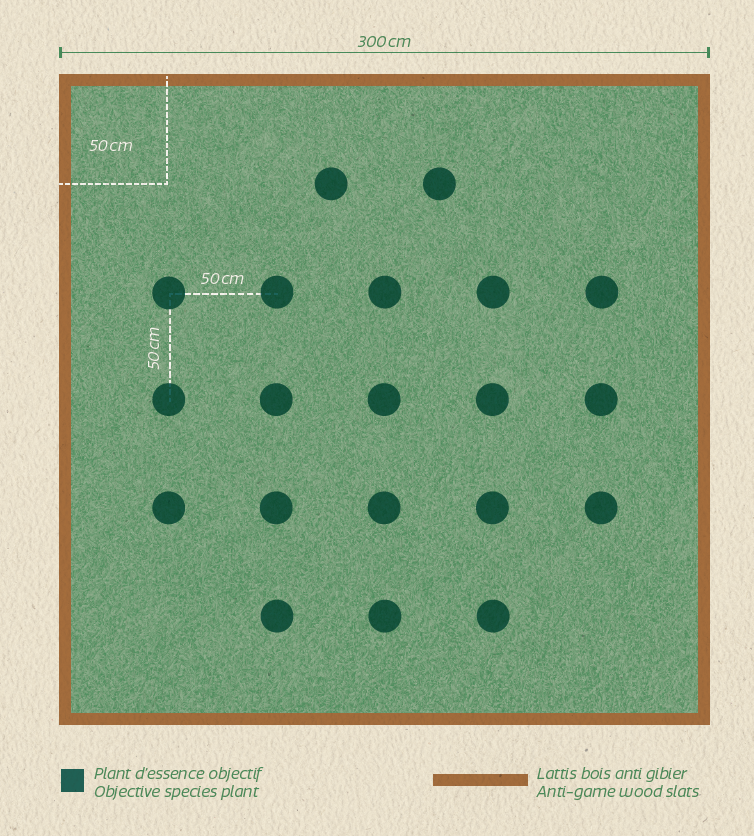
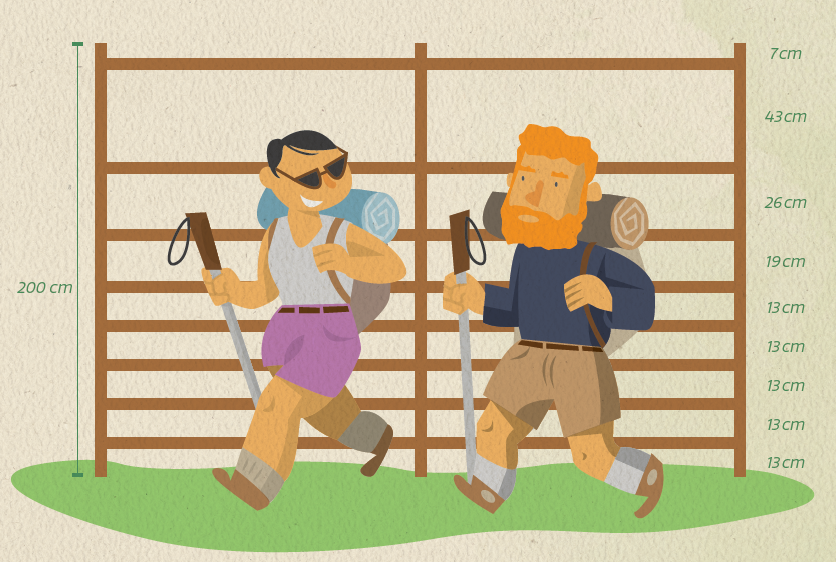
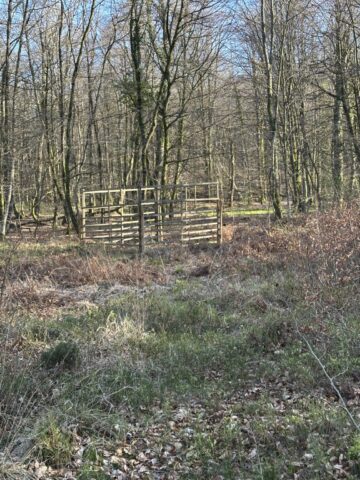
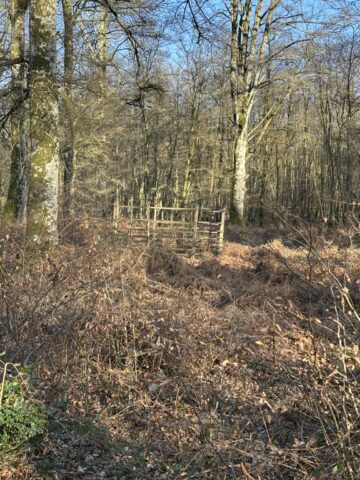
An islet is a 3-metre by 3-metre plot enclosed by a wooden slat fence 2 metres high (to protect young plants from wildlife), containing 20 deciduous saplings of various local species (oak, lime, and hornbeam, measuring 30–50 cm or 40–60 cm).
The CJB’s 52 islets are planted in a light well (forest clearing). They are composed of species chosen to enhance diversity, helping the forest adapt to climate change while creating a mosaic of species and habitats. Of all these saplings, only a few will grow into large trees, in approximately forty years.
The fencing slats are made of fir or spruce. The enclosure will remain in place until it naturally degrades.
WHICH SPECIES ARE PLANTED?

SESSILE OAK Qercus Petraea
From the Latin robur, meaning “strength” or “reddish.”
Height: 20–40 m
Lifespan: 500–1,000 years

HORNBEAM Carpinus Betulus
From the Latin carmen, meaning “song.”
Height: 10–25 m
Lifespan: 10–160 years

SMALL-LEAVED LIME Tilia cordata
From the Tiliaceae family; cordata refers to the heart-shaped leaves.
Height: 20–30 m
Lifespan: up to 500 years
Oak was selected as the main species due to its local presence and strong resistance to climatic conditions. Lime and hornbeam were added to diversify the plantations. Avoiding single-species stands helps promote biodiversity. In the long term, this diversity will contribute to creating a mosaic forest.
HOW TO FIND THE ISLETS IN THE CERISY FOREST?
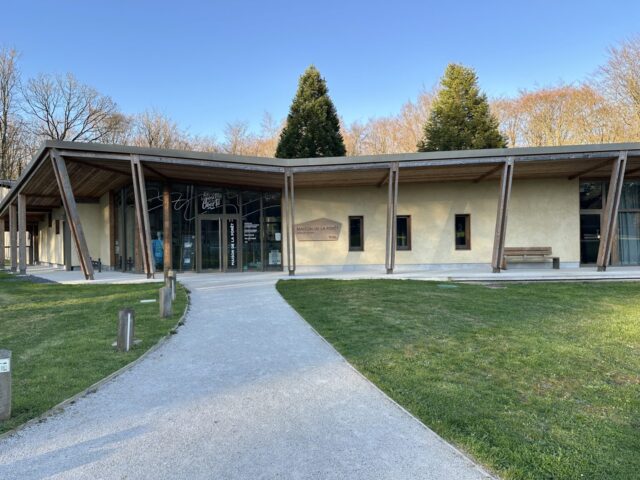
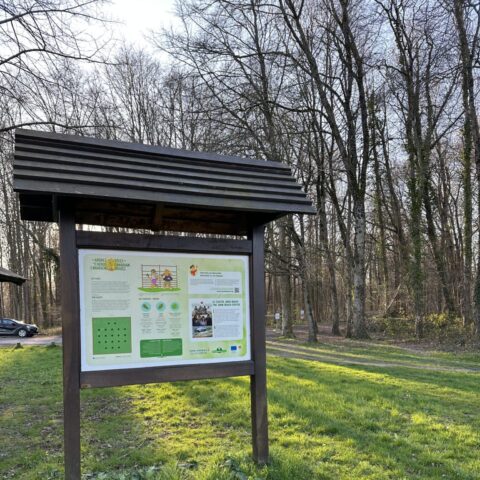
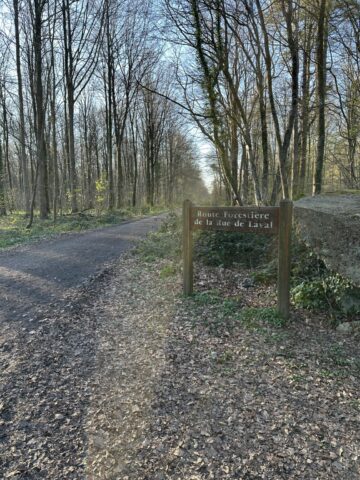
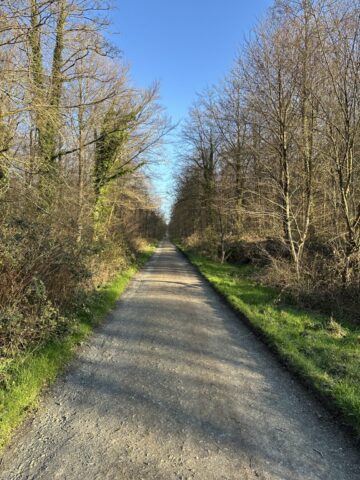
Go to the parking area at the Maison de la Forêt. Just a short walk away, you will see a sign reading “Trees for Canadian Heroes.” From there, follow the forest road known as Rue de Laval on foot for about 1 km. On your right, you will spot some of the islets. Tip: make sure to stop by the Maison de la Forêt !

SPONSOR AN ISLET IN THE CERISY FOREST

You too can take part in the regeneration of the Cerisy Forest by funding one of the 52 islets in the Trees for Canadian Heroes programme, which brings together remembrance and environmental action.
ABOUT THE ONF
A key player in the forestry and timber sector, the ONF manages nearly 11 million hectares of public forests. On a daily basis, forestry professionals work towards three inseparable objectives: timber production, environmental protection, and public access. The ONF also carries out public service missions related to natural risk management and provides services to local authorities and businesses.
More information: www.onf.fr
The planting of the JBC islets is part of the actions carried out by the Juno Beach Centre with support from the European Regional Development Fund (ERDF), under the programme “Support for the ecological and digital transition of tourism stakeholders” (ERDF REACT-EU, aimed at repairing damage caused by the COVID-19 pandemic).
Donate
to the JBC
As a primarily privately-funded museum, it’s our donors who have made the dream of the Juno Beach Centre a reality.
Learn more about the unique initiatives you can help fund or make a gift to our general fund today to honour the legacy of Canada’s Veterans and ensure their story continues to be told.