
Dispatches
The 2025 Tour de France passes near the Juno Beach Centre
First held in 1903, the Tour de France is the most-watched sporting event in France and one of the most popular in the world. Every summer, millions of spectators line the roads and gather in host towns to cheer on the cyclists. The Tour is both a popular celebration, a high-level physical challenge, and a showcase of French heritage.
On July 9, 2025, the Tour de France will make a stop in Normandy for a stage like no other: a 33-kilometre individual time trial starting and finishing in Caen. While Juno Beach is not part of the official route, the Juno Beach Centre in Courseulles-sur-Mer is just a few pedal strokes away, in towns deeply marked by the history of the 1944 Liberation by Canadian soldiers.
Discover Stage 5 on the official Tour de France website
A route through towns liberated by Canadians in 1944
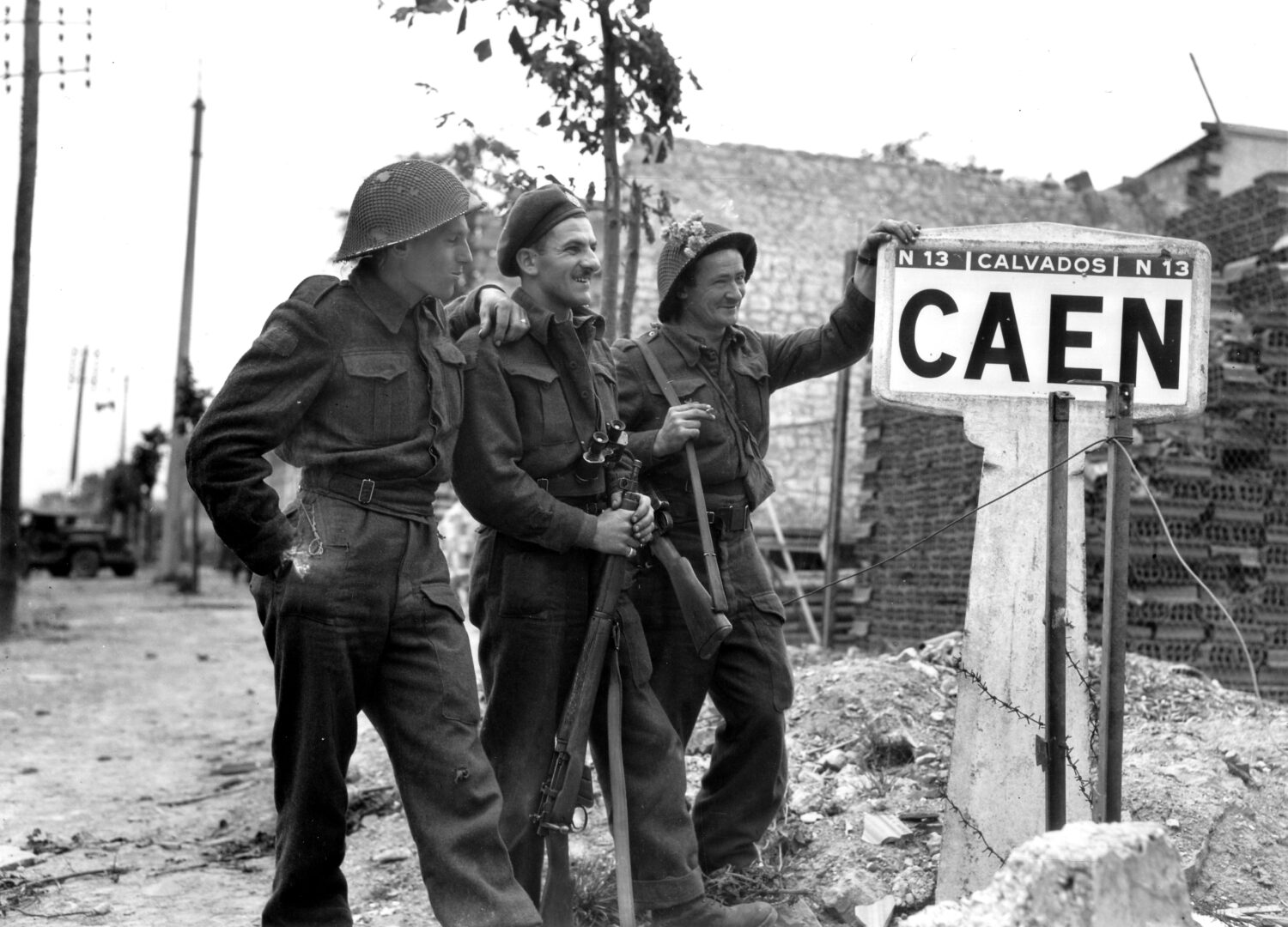
In 2025, Stage 5 of the Tour de France will pass through several towns that were liberated by Canadian forces in June 1944. It is an opportunity to remember that these roads, now traveled by cyclists, were once the scene of fierce fighting as Canadians defended freedom 81 years ago.
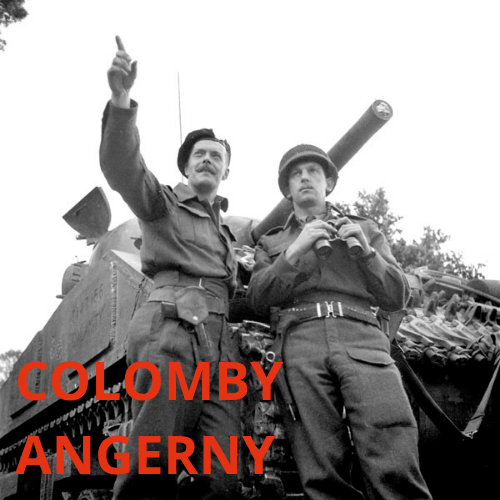
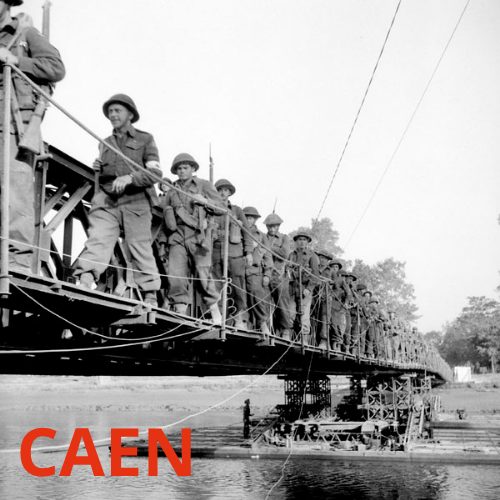
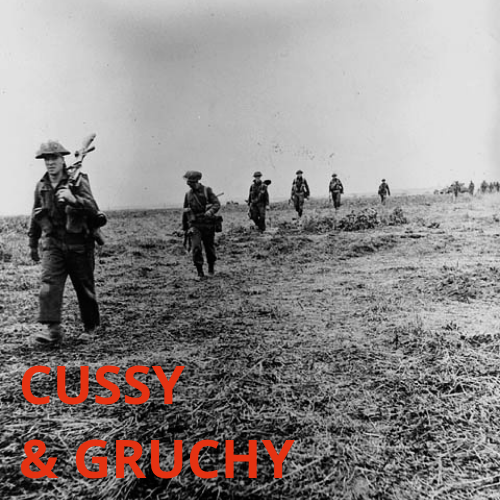
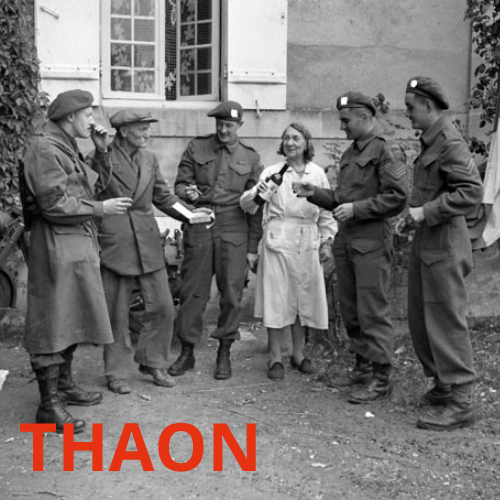
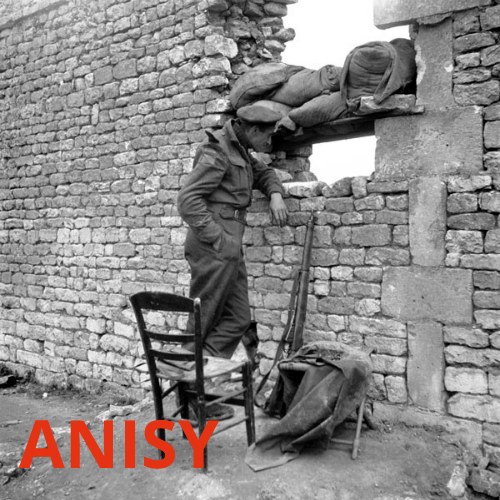
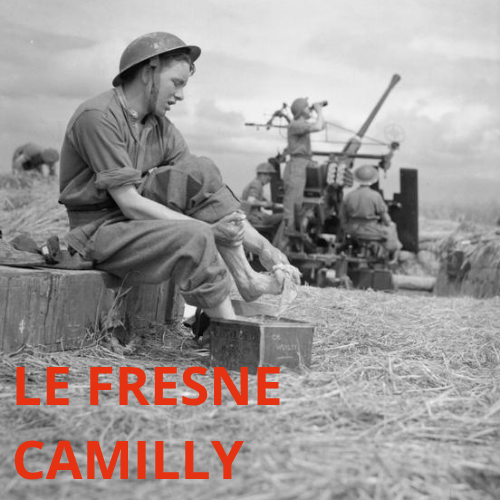
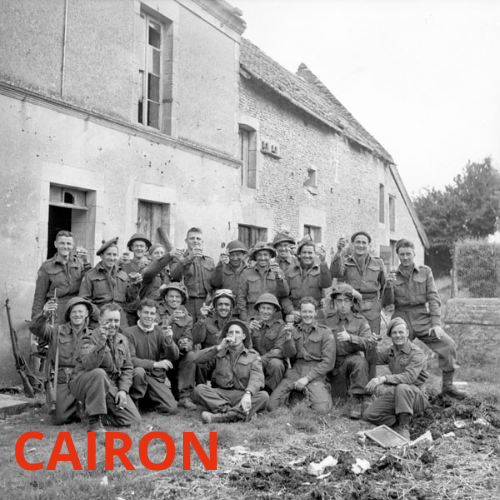
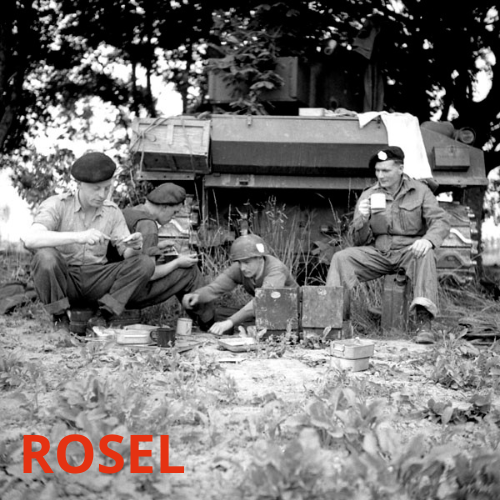
In June and July 1944, Caen, Anisy, Colomby-Anguerny, Thaon, Le Fresne-Camilly, Cairon, Rosel, Cussy, and Gruchy were at the heart of intense battles led by several regiments of the 3rd Canadian Infantry Division and the 2nd Canadian Armoured Brigade. Canadian troops played a crucial role during the D-Day landings on Juno Beach and in the battles to liberate the city of Caen. These Canadians, all volunteers, faced well-equipped and battle-hardened German units, including the 12th SS Hitlerjugend Division, a unit that executed more than 150 Canadian soldiers, actions that were later recognized as war crimes.
Learn more here about the history of the liberation of these towns
TESTIMONY
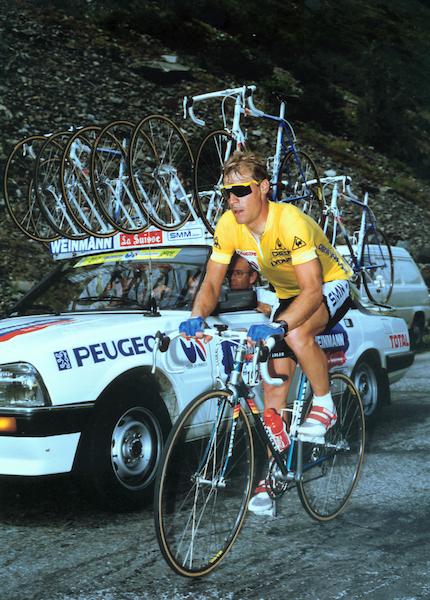
Read the words of Steve Bauer, former Canadian Tour de France rider and now Lead Director of the IPT Pro team:
“As I think about the early stages of the 2025 Tour de France route in Normandy, I am certainly focused on our team’s strategy, racing to win, however, there is also a profound refection on this region’s history.
81 years ago, Canadian soldiers liberated towns and villages that the 2025 Tour de France peloton will race through in early July.
These roads we’ll ride weren’t always about sport and glory. They once echoed with the footsteps of young Canadians who crossed an ocean to fight for freedom, many never returning home. The ultimate sacrifice for a freedom we now celebrate through sport.
To my fellow Canadians watching Le Tour from across the Atlantic: see your heritage in these French villages. To the Europeans lining the route: know that our shared history binds us still.
It can be an opportunity for us all to reflect while the peloton races through the rural landscapes of Western France.”
— Steve Bauer, Professional Cyclist with Weinmann-La Suisse team, 4th overall General Classification and winner of Stage 1A, 1988. Currently Sporting Manager and Lead Director for the Tour de France 2025 – IPT Pro Team, from Fenwick Ontario.
Cycling: Then and Now
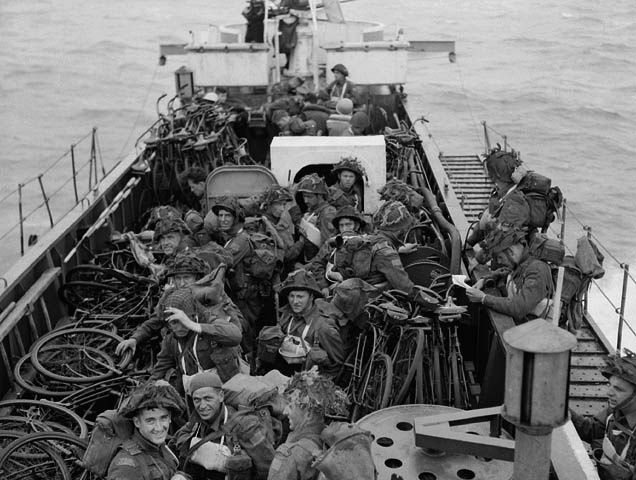
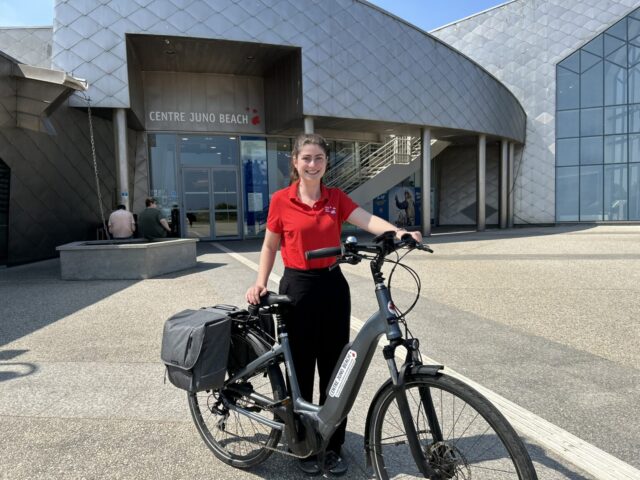
Cycling is not only a sport or a leisure activity, it is also a means of transportation. Back in 1944, some Canadian soldiers used folding bicycles to move quickly and efficiently. Their light weight and quiet operation made them valuable tools, especially for reconnaissance or liaison missions. It is estimated that 1,117 bicycles landed on Juno Beach on D-Day, June 6, 1944.
Today, the Juno Beach Centre actively promotes cycling as a sustainable and responsible mode of transport:
- Creation of a low-carbon rate for visitors arriving by bike, bus, or train
- A warm welcome for cycle tourists, with the Centre certified under the “Accueil Vélo” national label
- Display of a Canadian Second World War folding bicycle in the museum’s entrance hall
The 2025 Tour de France’s passage through Normandy is both a tribute to memory and a call to reflection—honouring those who made Freedom possible. Together, for them, let’s build a more sustainable future.
See more


Donate
to the JBC
As a primarily privately-funded museum, it’s our donors who have made the dream of the Juno Beach Centre a reality.
Learn more about the unique initiatives you can help fund or make a gift to our general fund today to honour the legacy of Canada’s Veterans and ensure their story continues to be told.