
Dispatches
Personal testimony from Sasha about her family’s connection
My name is Sasha, and I’m from the Yukon, a territory in northwestern Canada. The fact that I’m a guide at the Juno Beach Centre this year is no coincidence. I come from a Canadian family in which one member served and fell in the line of duty during the Second World War—but this part of our history wasn’t really known to us until we travelled to Europe and visited war sites and cemeteries.
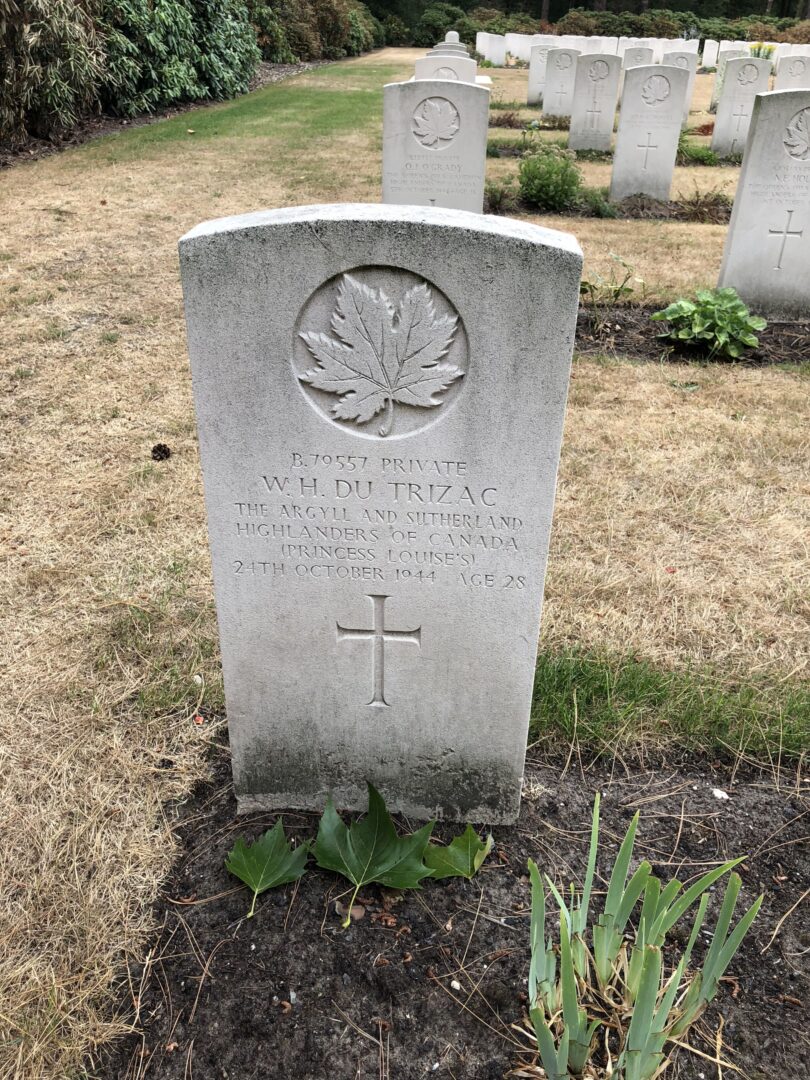
A few years ago, during a trip to the Netherlands, my family and I visited a Canadian war cemetery. By chance, we ended up at the Bergen op Zoom cemetery. We walked through the rows, pausing to pay our respects at the soldiers’ graves. Out of curiosity, we searched the registry for familiar names, knowing that several of our ancestors had fought in the war, though we didn’t have many details. That’s when we saw the surname of a soldier from my father’s side: William Henry du Trizac. We quickly found his grave, at the end of a row.
After some research and conversations with relatives, we confirmed that this soldier was indeed a distant relative from my father’s side of the family. The next day, we bought an iron poppy and placed it on his grave. We are probably the only ones in the family to have paid him tribute in this way.
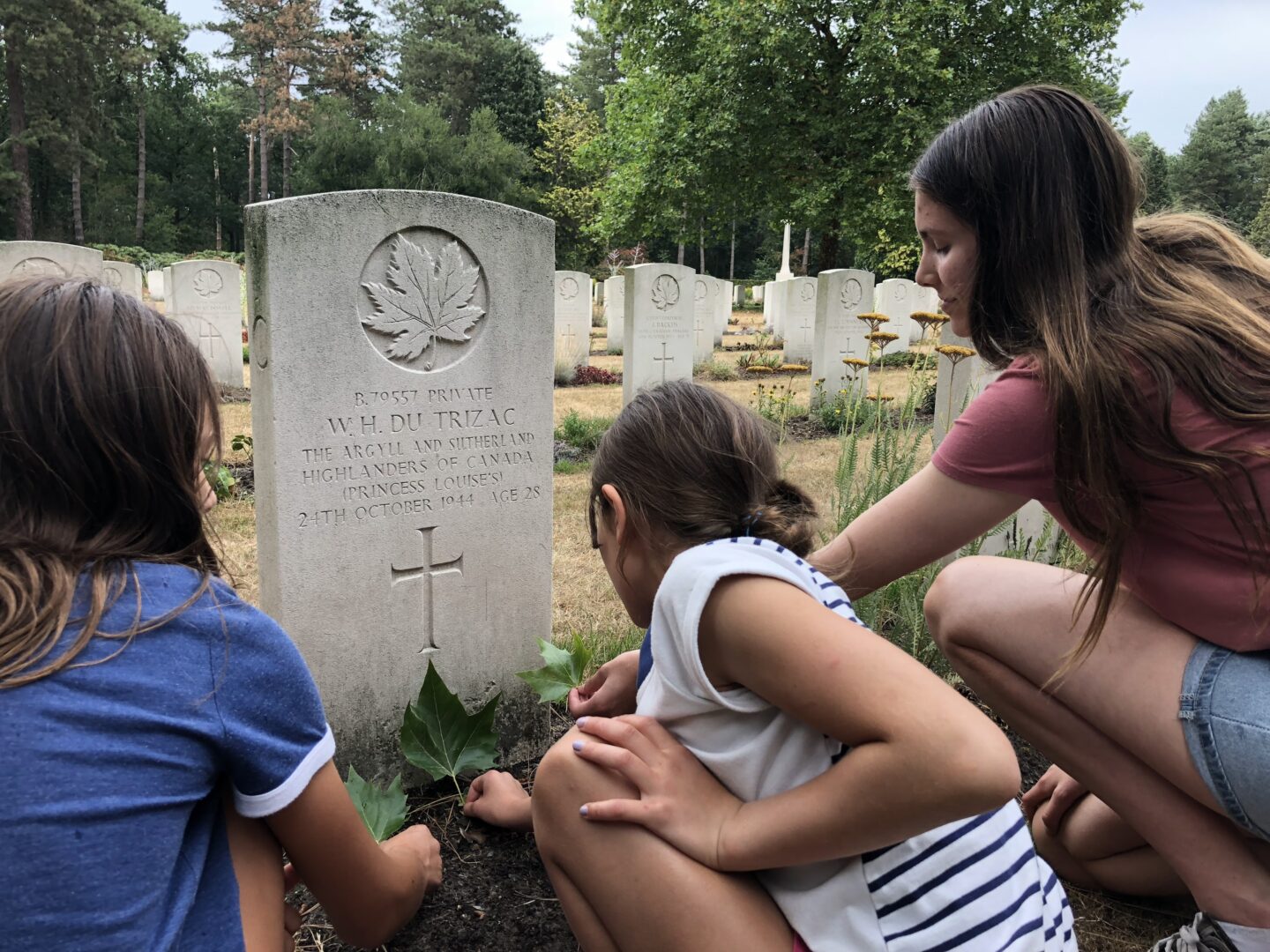
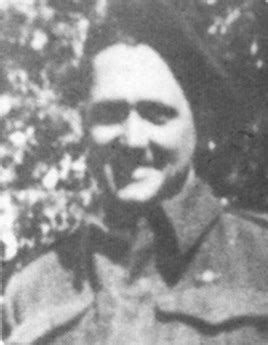
His name was William du Trizac, and he was a police officer in Toronto. He served in the Princess Louise’s Argyll and Sutherland Highlanders of Canada. He died on October 24, 1944, during the Battle of the Scheldt for the liberation of the Netherlands, at the age of 28. Memories of the war and lost loved ones were often painful for families, which might explain why this hero’s story faded over time.
This unexpected discovery was a deeply moving moment for me—one that marked my youth and motivates me to keep sharing the stories of Canadians who died in the Second World War for future generations. As a guide at the Juno Beach Centre, I meet many Canadians who are also retracing the footsteps of their relatives. Some already know a great deal, while others are just beginning to rediscover it all.
Together, we remember them, because we must not forget that it is thanks to their sacrifice that we are here today. To move forward, we must understand where we come from.
See more


Donate
to the JBC
As a primarily privately-funded museum, it’s our donors who have made the dream of the Juno Beach Centre a reality.
Learn more about the unique initiatives you can help fund or make a gift to our general fund today to honour the legacy of Canada’s Veterans and ensure their story continues to be told.







