
Dispatches
Tribute to the Mesnil Patry Canadian Liberators’ Welcome Committee
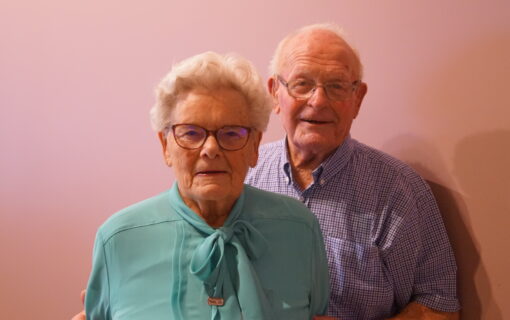
Roger et Raymonde
The story begins with Roger Alexandre, a child of Mesnil Patry, who in June 1944 saw his village of 120 inhabitants become the center of a fierce battle between the Canadian forces and the German occupiers, resulting in heavy losses. Forced to flee with his family and neighbors, Roger returned in September to find a village largely destroyed. After the war, Roger met Raymonde, a young woman from Tourouvre, whom he married. Together they started a family in Mesnil Patry, where they worked as farmers until late in life. Roger served as mayor from 1995 to 2013, after which his grandsons Wilfried and then Mickael took over. The Alexandre home, a beautiful stone farmhouse, sits at the heart of the village on Place des Canadiens, near the church destroyed in 1944 and rebuilt after the war.
The Founding of the Mesnil Patry Canadian Liberators’ Welcome Committee
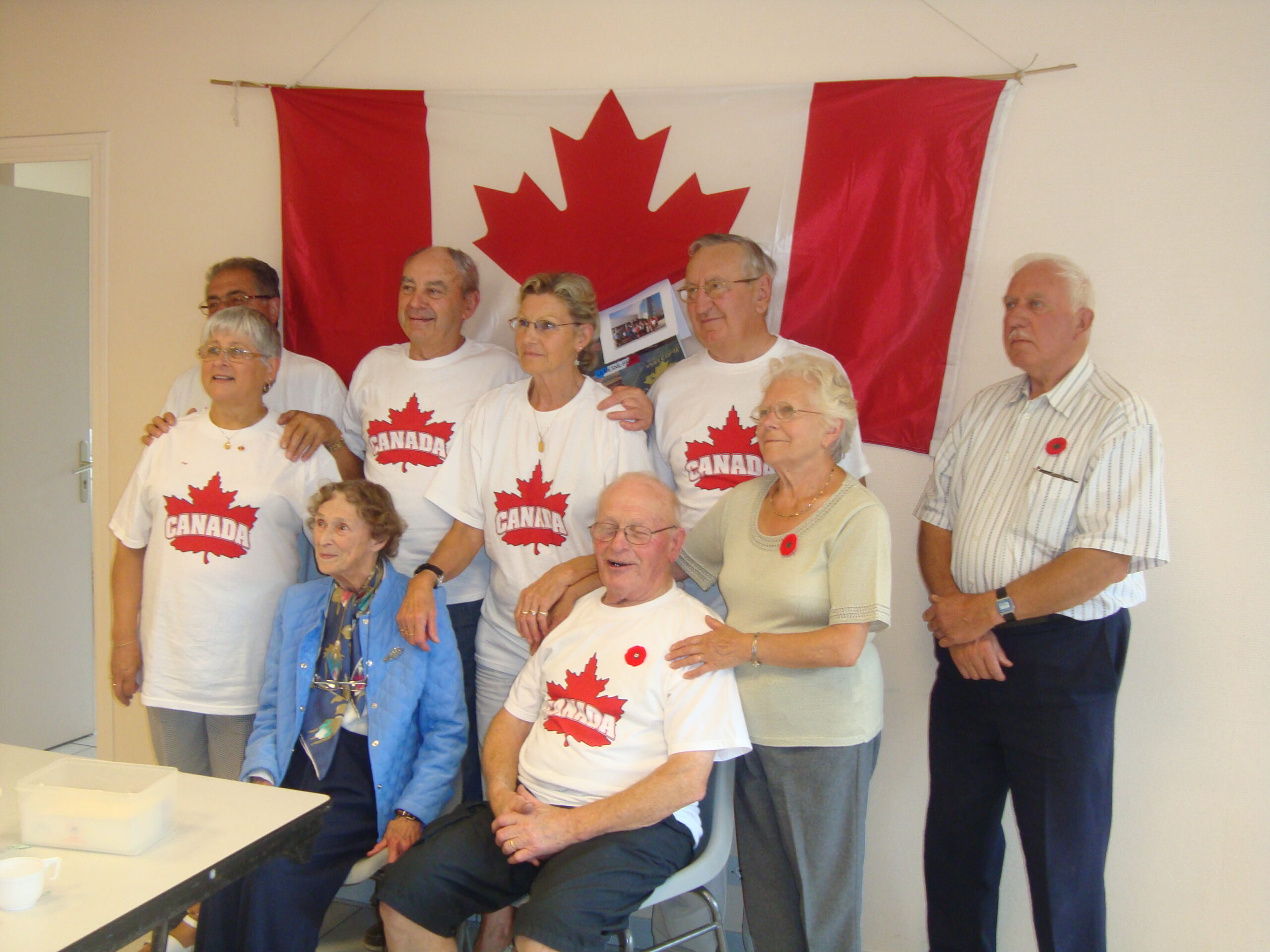
In 1988, Roger, supported in every way by Raymonde, founded the Mesnil Patry Canadian Liberators’ Welcome Committee with a group of local residents and friends from neighboring villages. As more and more Canadian visitors passed through the village and the local community maintained a strong culture of remembrance, the Committee set itself the mission of welcoming them—initially veterans, then veterans with their families, and later families of veterans on their own.
A United Team
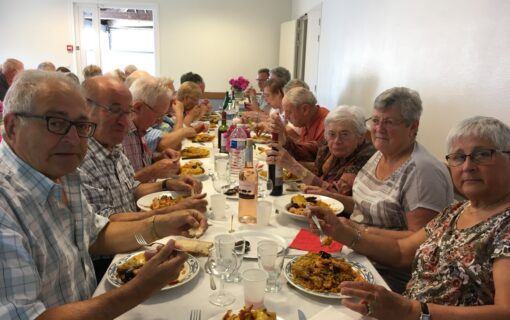
Over the years, the Committee’s core team remained steadfast in their commitment to Roger. Among them were Reine and Rolland, Madelaine and Julien Péronne, Marie and Claude Guilbert, and later Olivier Fosset. They took turns assuming the roles of president, secretary, and treasurer. To fund their efforts, the Committee organized raffles, barbecues, paella dinners, and other communal meals.
Remarkable Initiatives
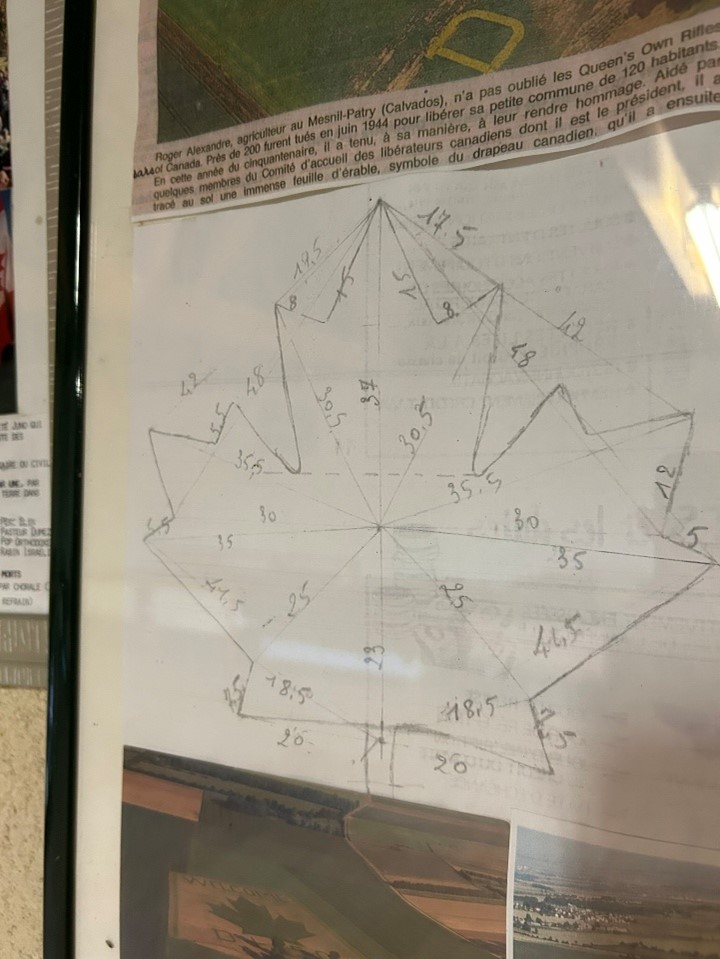
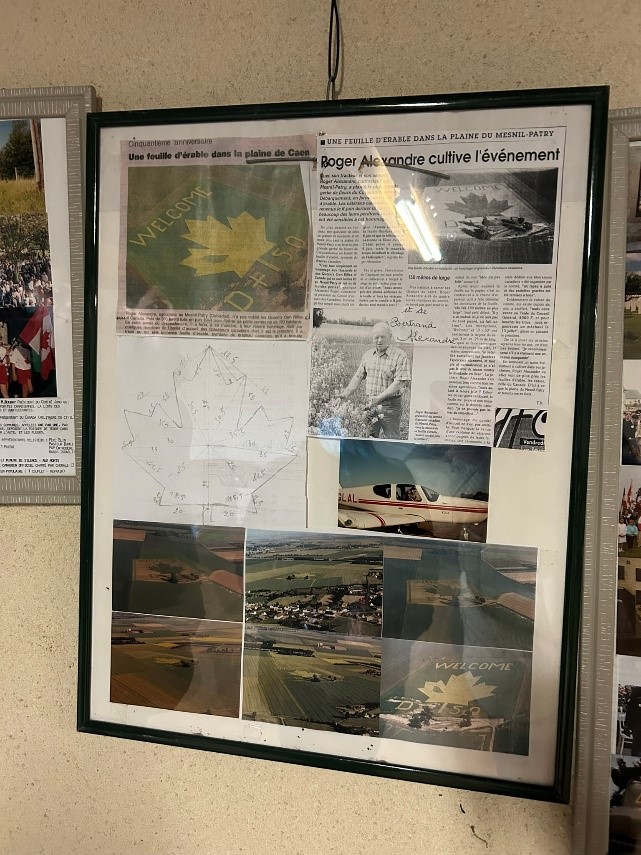
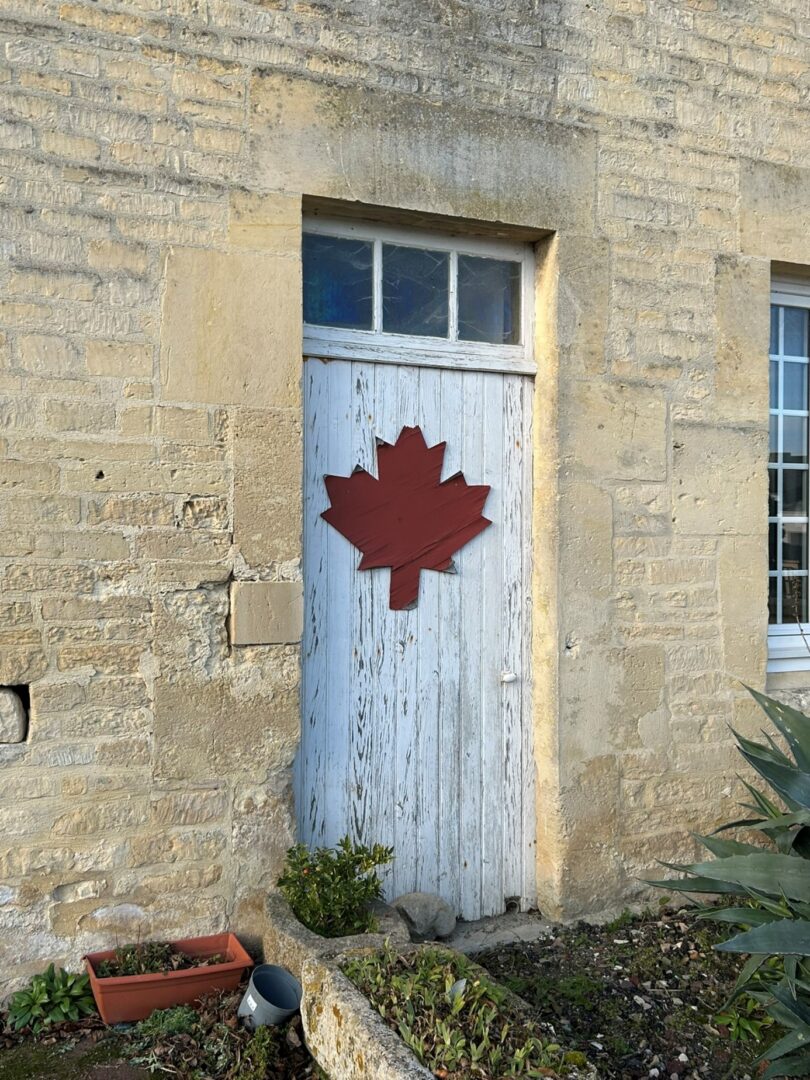
In 1994, Roger created a sensation by planting mustard seeds in one of his fields in the shape of a 150-meter-wide maple leaf—the symbol on the Canadian flag. That year, for the 50th anniversary, around a hundred veterans and their families were welcomed to Mesnil Patry.
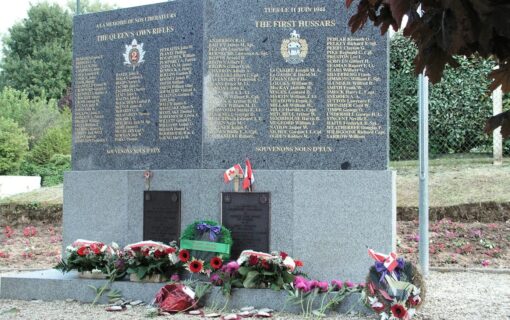
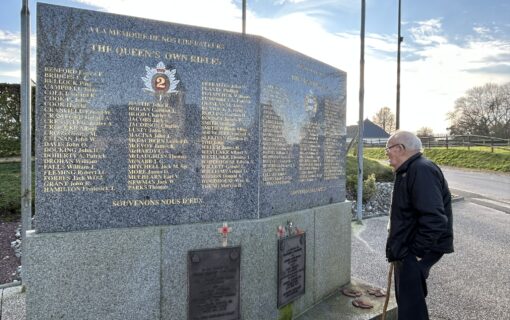
In the early 2000s, Roger spearheaded the renovation and expansion of the village memorial, which now bears the names of all First Hussars and Queen’s Own Rifles soldiers who died in the fierce fighting at Mesnil Patry and surrounding areas.
In 2001, when the project for the Juno Beach Centre was announced in Courseulles-sur-Mer and opposition to its location emerged, Roger supported the town’s mayor by creating an association “for the development of Franco-Canadian relations and the outreach of the Juno Beach Centre.” Through this association, Roger and Raymonde became actively involved alongside Garth Webb and Lise Cooper in the Centre’s creation. When the Juno Beach Centre was inaugurated in 2003, the association became the “Friends of the Juno Beach Centre.” Roger served as president before passing the torch to Hélène Forget in 2007. Since then, Roger has held the honorary position of President Emeritus.
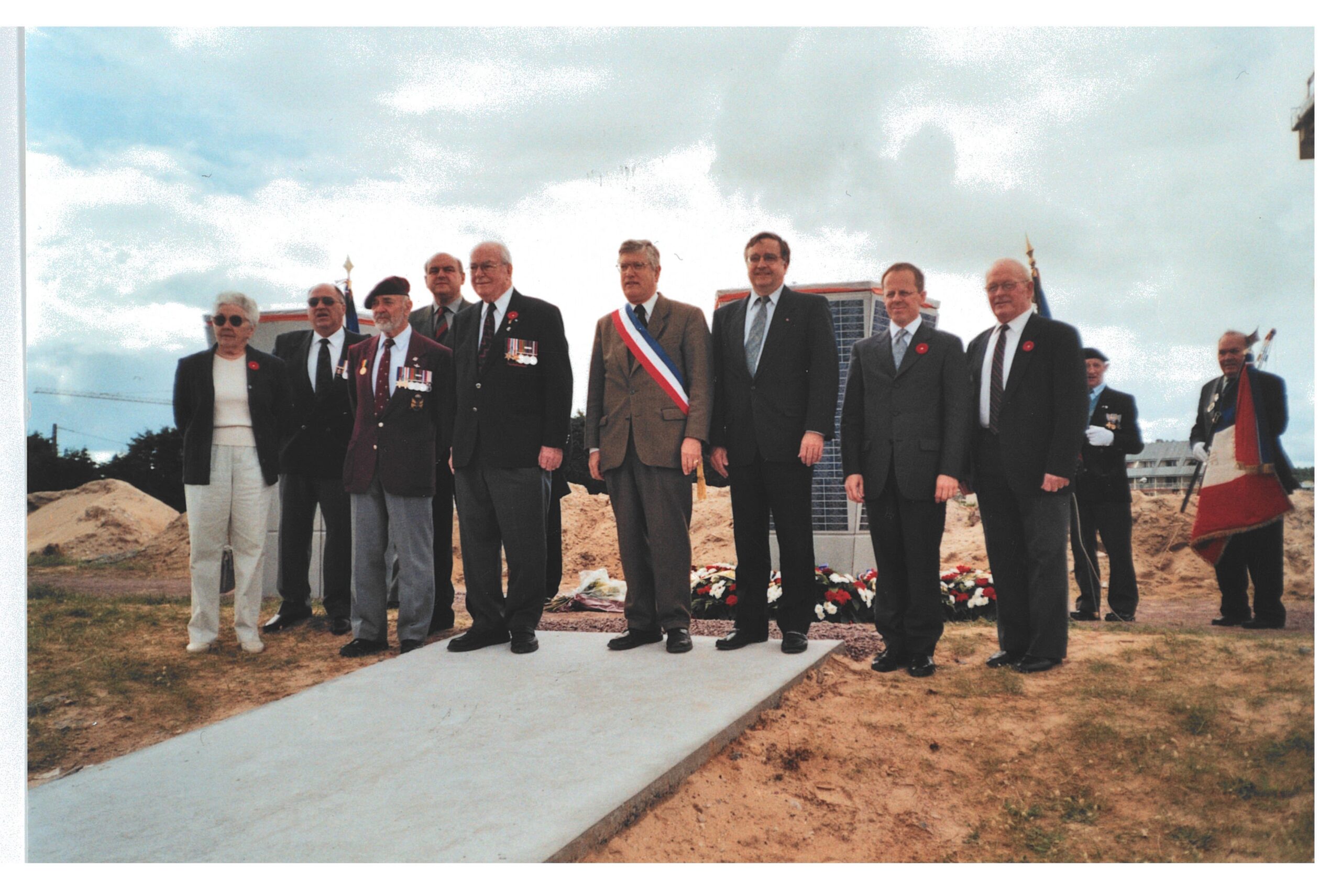
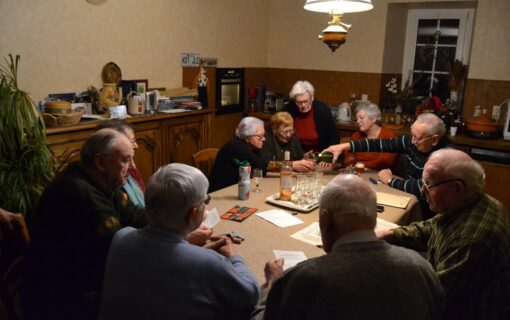
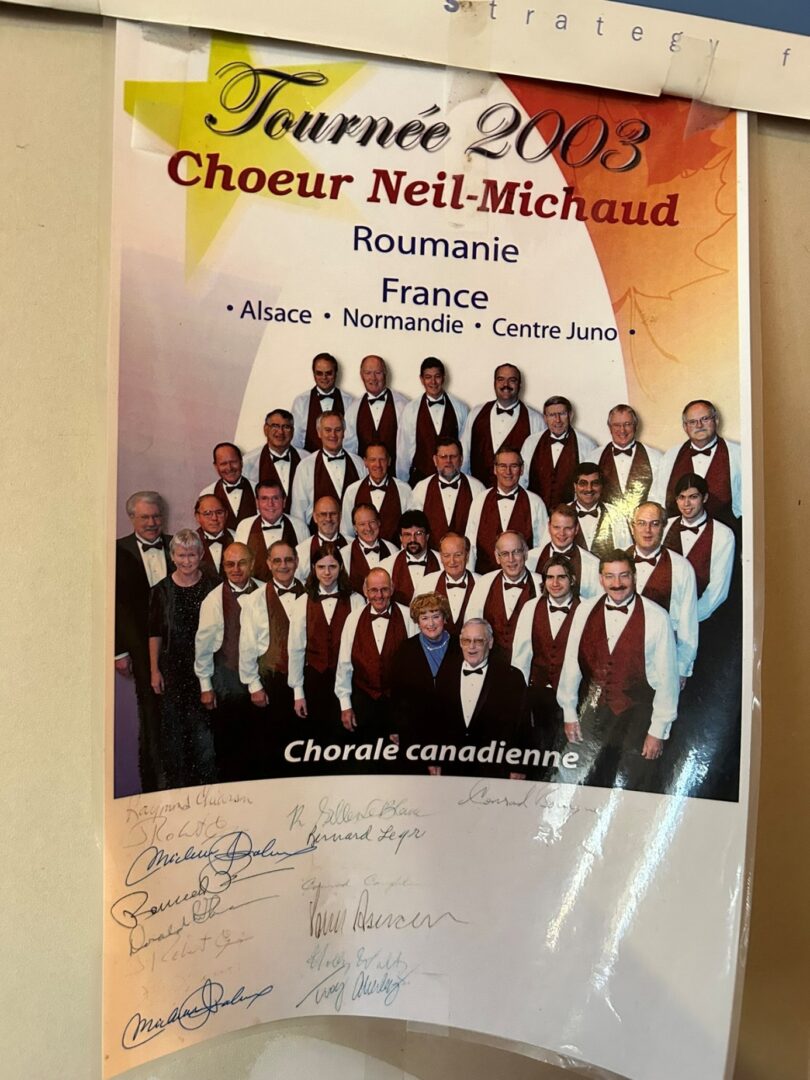
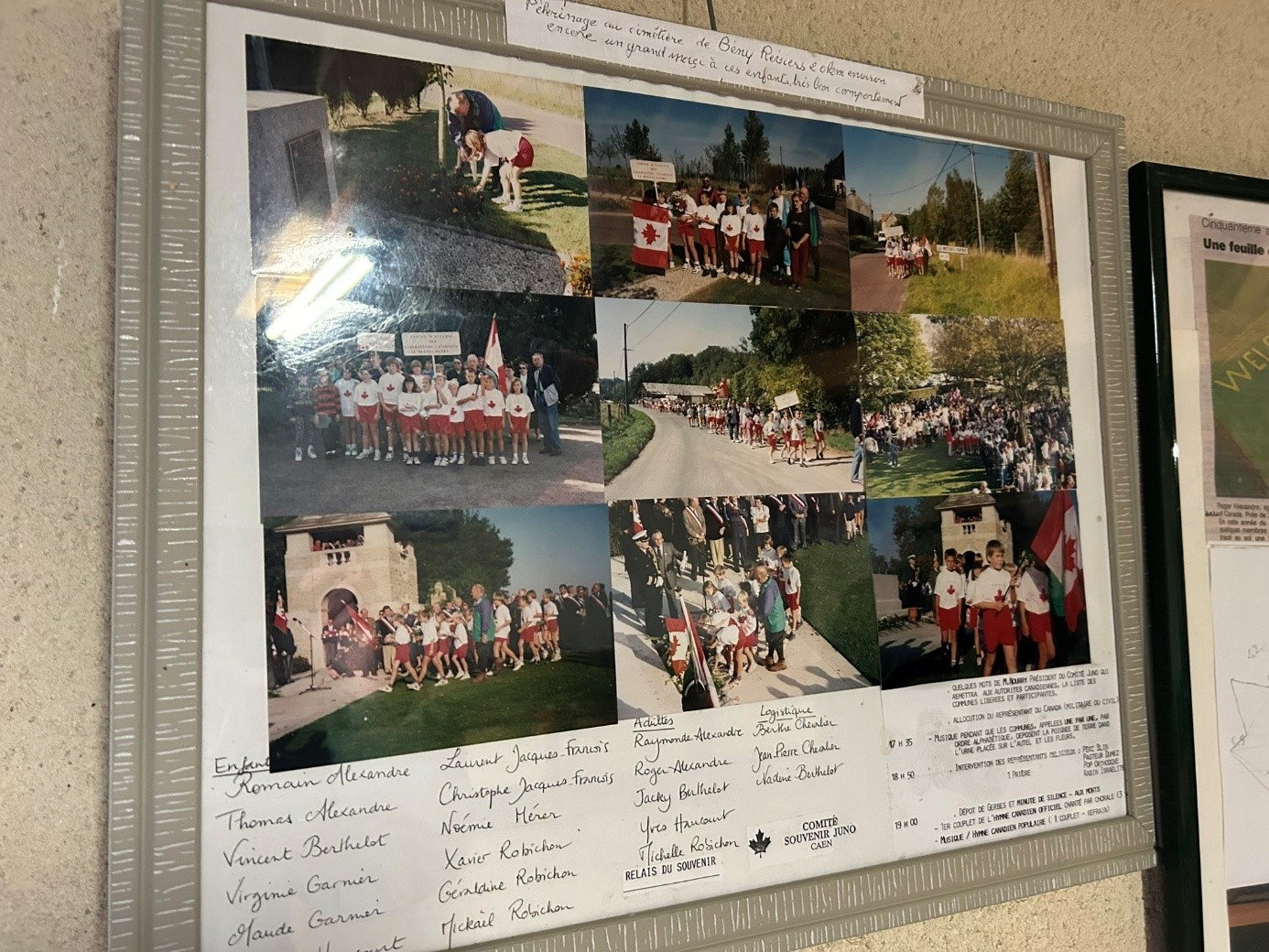
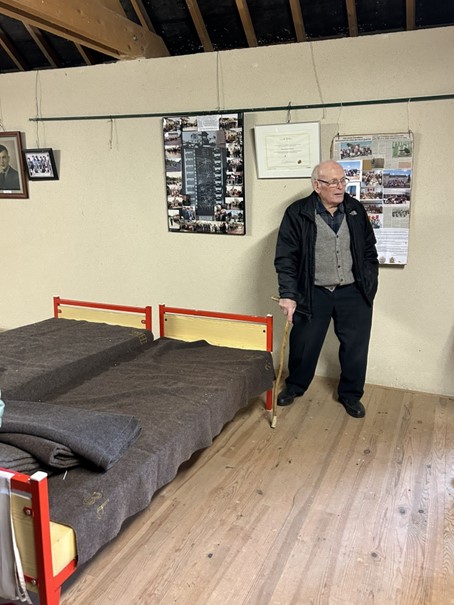
For nearly four decades, Canadian military groups, schoolchildren, choirs, and tourists were welcomed at the Mesnil Patry village hall. Some even slept in the Alexandre family’s farm outbuildings, converted into dormitories—such as during a visit from the First Hussars. Many others shared coffee in the large family kitchen, decorated with numerous gifts and souvenirs from Canada, a country Roger and Raymonde visited several times, including a memorable trip to the Yukon.
Hosting the Canadian Teachers’ Summer Institute
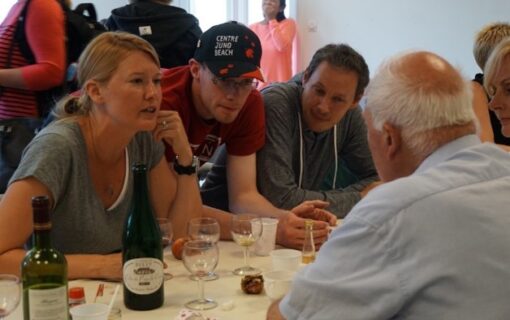
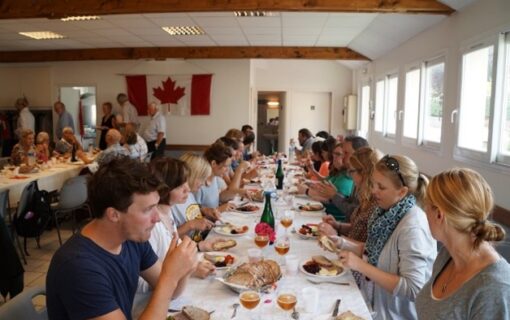
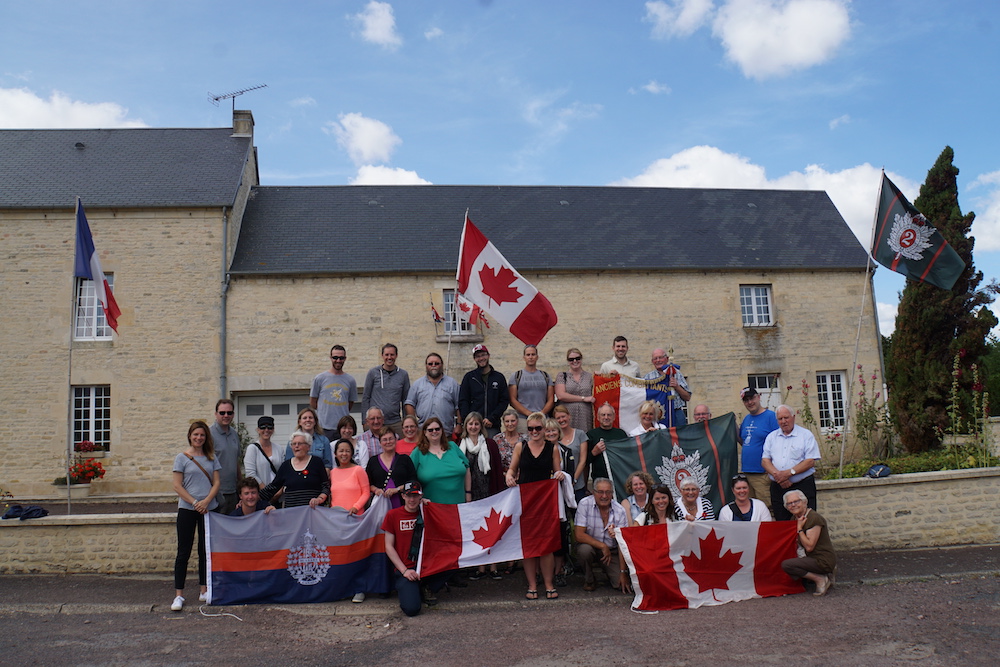
As part of their steadfast support for the Juno Beach Centre, since 2005 (with a pause during the COVID pandemic), the Welcome Committee has hosted groups of Canadian educators each August. These teachers, taking part in a training trip organized by the Juno Beach Centre’s Canadian team, visit the Normandy battlefields. The warm meal and time of sharing in Mesnil Patry became a highlight of the program, leaving lasting impressions on many hearts and minds.
The End
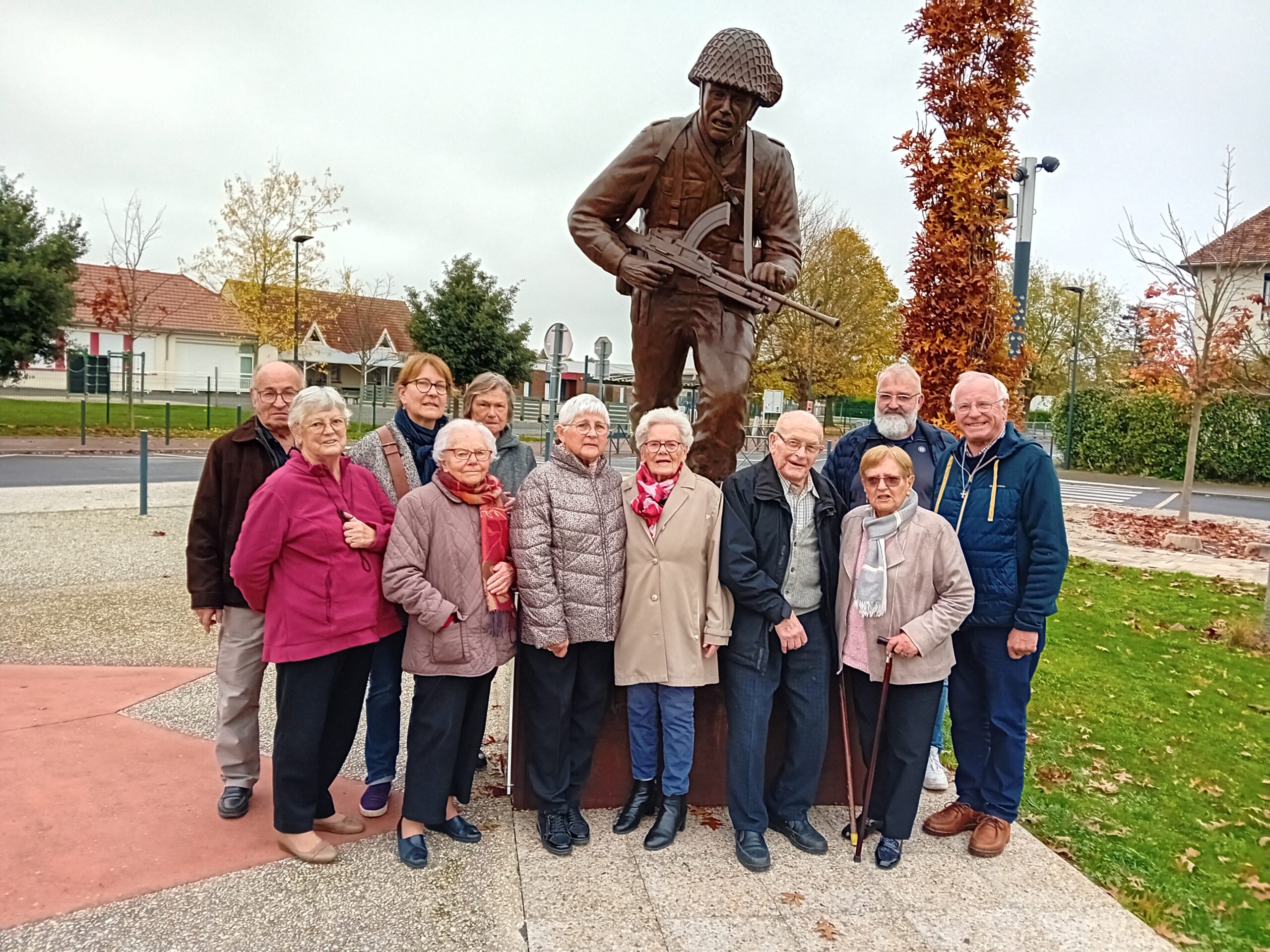
In August 2024, with the Committee’s active members now elderly, they set themselves one final mission: to welcome one last group of Canadian educators visiting Normandy. On October 5, 2024, after nearly 40 years of dedication to Franco-Canadian friendship and the memory of the Canadian Liberators, the association was officially dissolved. A final communal meal brought everyone together again, with heartfelt thoughts for those who had once served in the Committee and have since passed away.
A man of good sense, pragmatic and efficient, Roger always valued the Juno Beach Centre’s Brick Campaign. He understood before many in France its financial benefits—as a means of fundraising for the museum’s operation—but also its symbolic and emotional value for Canadians. More than anyone, he encouraged towns liberated by Canadians to purchase bricks in support of the Centre. True to this commitment until the end, before closing the Committee’s accounts, its members funded two final bricks and donated €1,400 to the Juno Beach Centre along with this message:
“The Juno Beach Centre holds a special place in the heart of our association. Its early members rallied to support its establishment in Courseulles-sur-Mer. Our members have greatly appreciated the remarkable work carried out there. The many encounters with veterans, their families, regiments, guides, and museum staff have been sources of joy and shared happiness.”
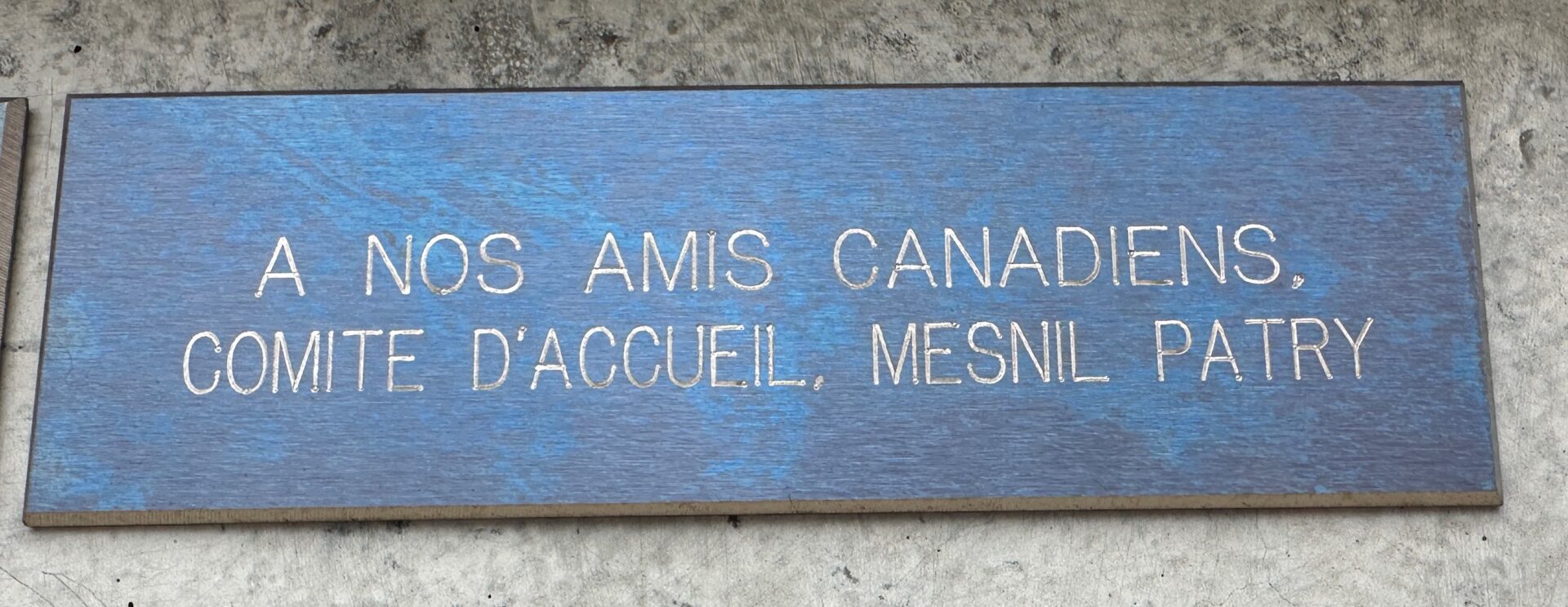
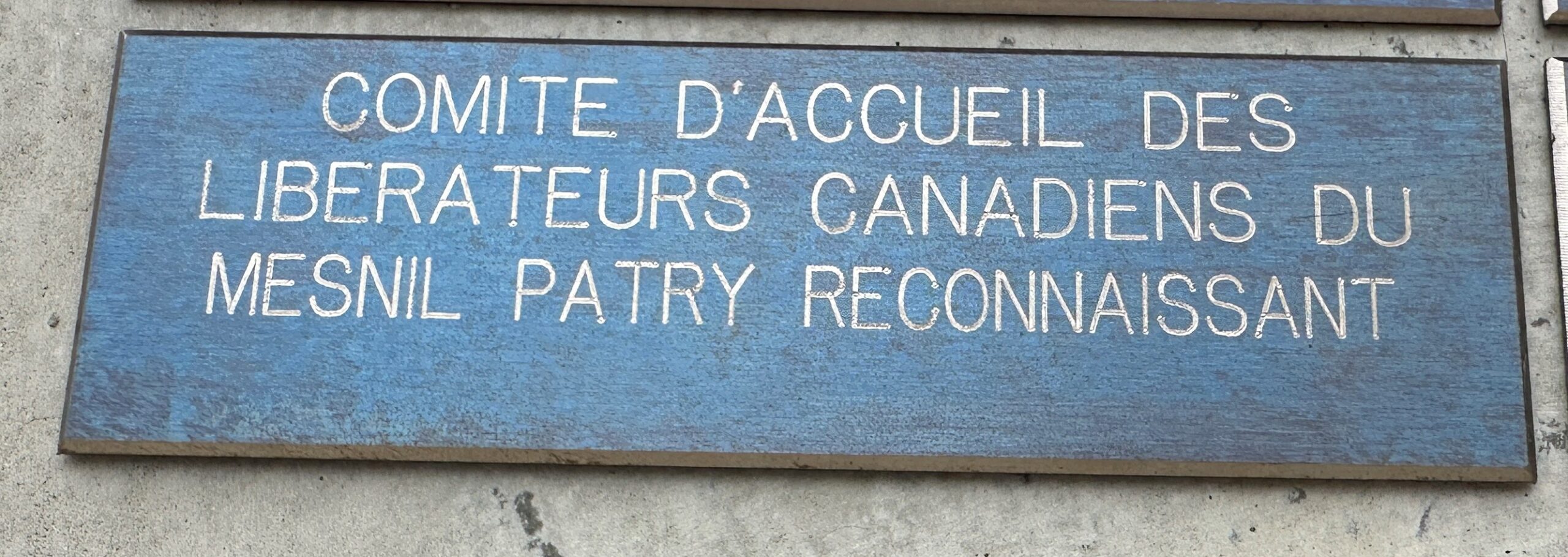
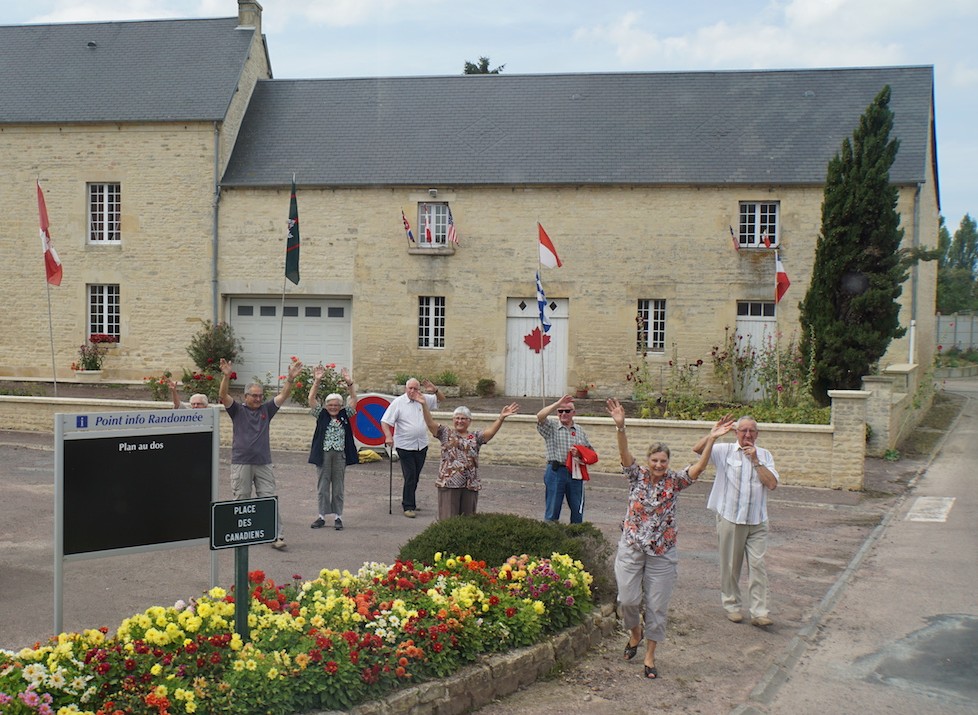
Roger, Raymonde, and all the former Committee members know they are always at home at the Juno Beach Centre. The Friends of the Juno Beach Centre association will continue to carry forward their legacy and honor the Canadian sacrifice they were so dedicated to preserving.
Thank you to all members of the Mesnil Patry Canadian Liberators’ Welcome Committee for your generosity, your spirit of hospitality, and your decades-long commitment to remembrance and friendship.
See more


Donate
to the JBC
As a primarily privately-funded museum, it’s our donors who have made the dream of the Juno Beach Centre a reality.
Learn more about the unique initiatives you can help fund or make a gift to our general fund today to honour the legacy of Canada’s Veterans and ensure their story continues to be told.