Digital Exhbition
Who Tells The Story of Dieppe?
scroll
down
By 1942, the Second World War had been raging for three years. The ultimate success of the Allied forces remained uncertain. Feeling this pressure, the Soviet Union and United States pushed for Great Britain to open a Second Front in Europe. This would force the German Army to redirect their troops away from the Eastern Front. Under these tense conditions, the British decided to launch a major raid on the coast of occupied France. Troops would land on and near the beaches of Dieppe. They would destroy German defences, collect intelligence, and test new equipment before returning to Great Britain – all within a single day.
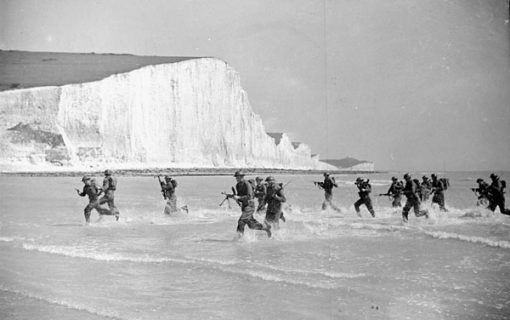
However, the reality of the Dieppe Raid was much different. On the morning of August 19, 1942, over 6,000 Allied troops began the assault on Dieppe. Nearly 5,000 of these men were Canadian. Despite extensive planning, the raid quickly descended into chaos. German strongholds along the coastline met the raiders with intense fire. The Allied naval bombardment, air attacks, tank support, and smokescreens were not enough to support the Canadians fighting on the beaches.
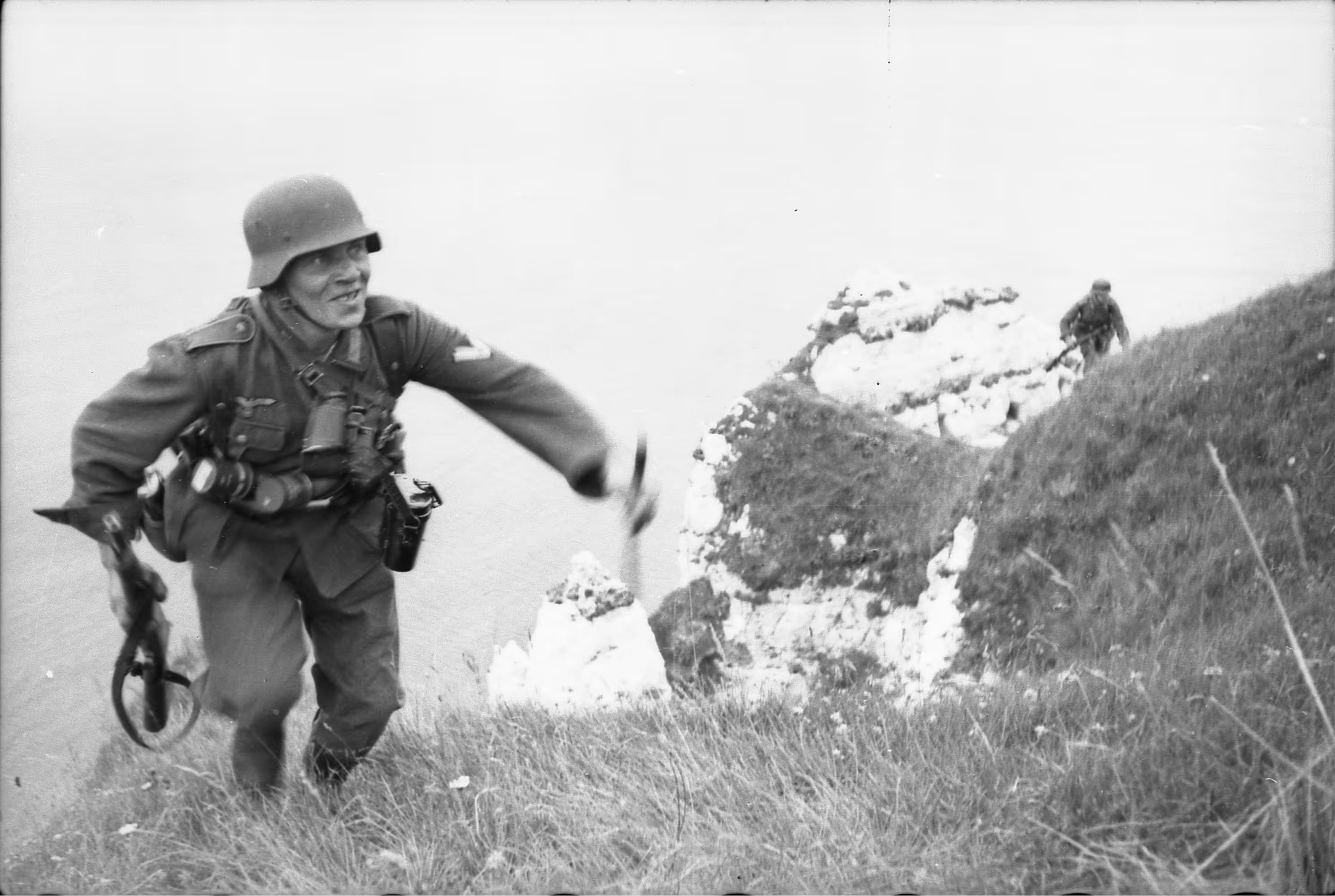
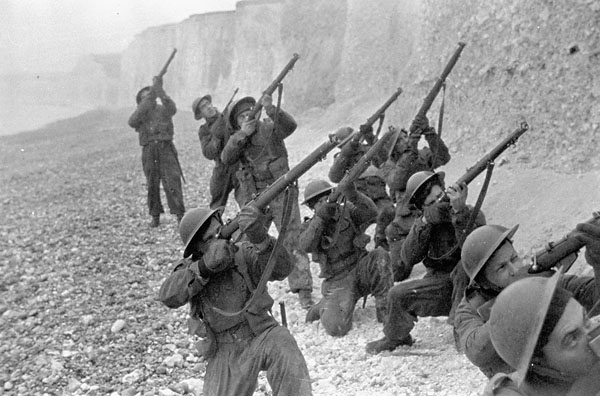
After nine long hours, Allied commanders gave the order to retreat. Of the nearly 5,000 Canadians who participated in the Raid, less than half made it back to England. As long lists of the Canadians killed at Dieppe began appearing in newspapers across the country, the military was aware of how this tragedy could affect public morale. Instead of focusing on the failure of the raid, propaganda focused on the bravery of Canadian troops and claimed the lessons learned at Dieppe that would save lives in future landings and lead to eventual Allied victory.
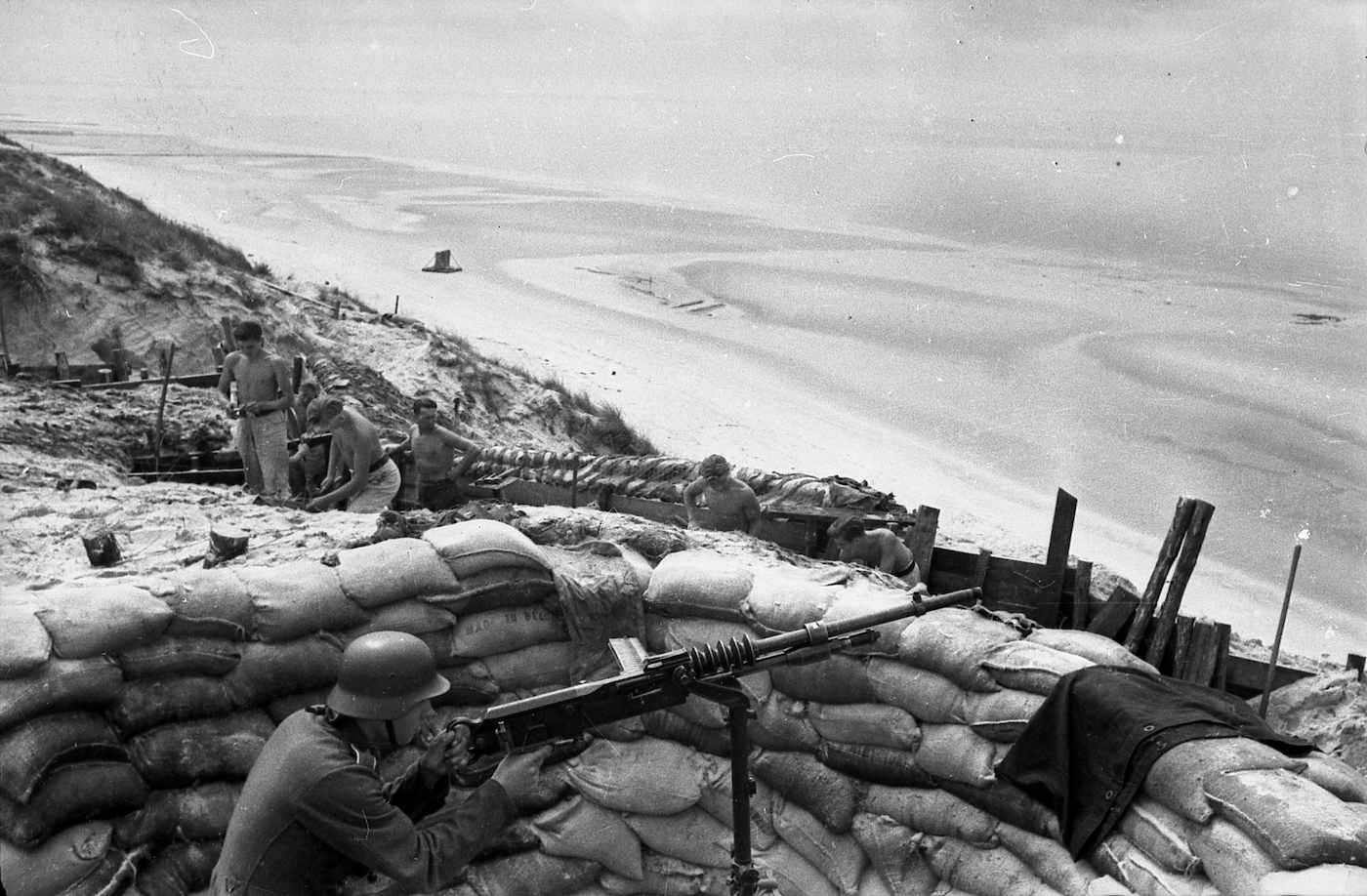
In the decades since, the Dieppe Raid has remained an incredibly controversial event that has been presented through many different perspectives. As you move through this webpage, you will learn about how the story of the Dieppe Raid changes based on who is telling it.

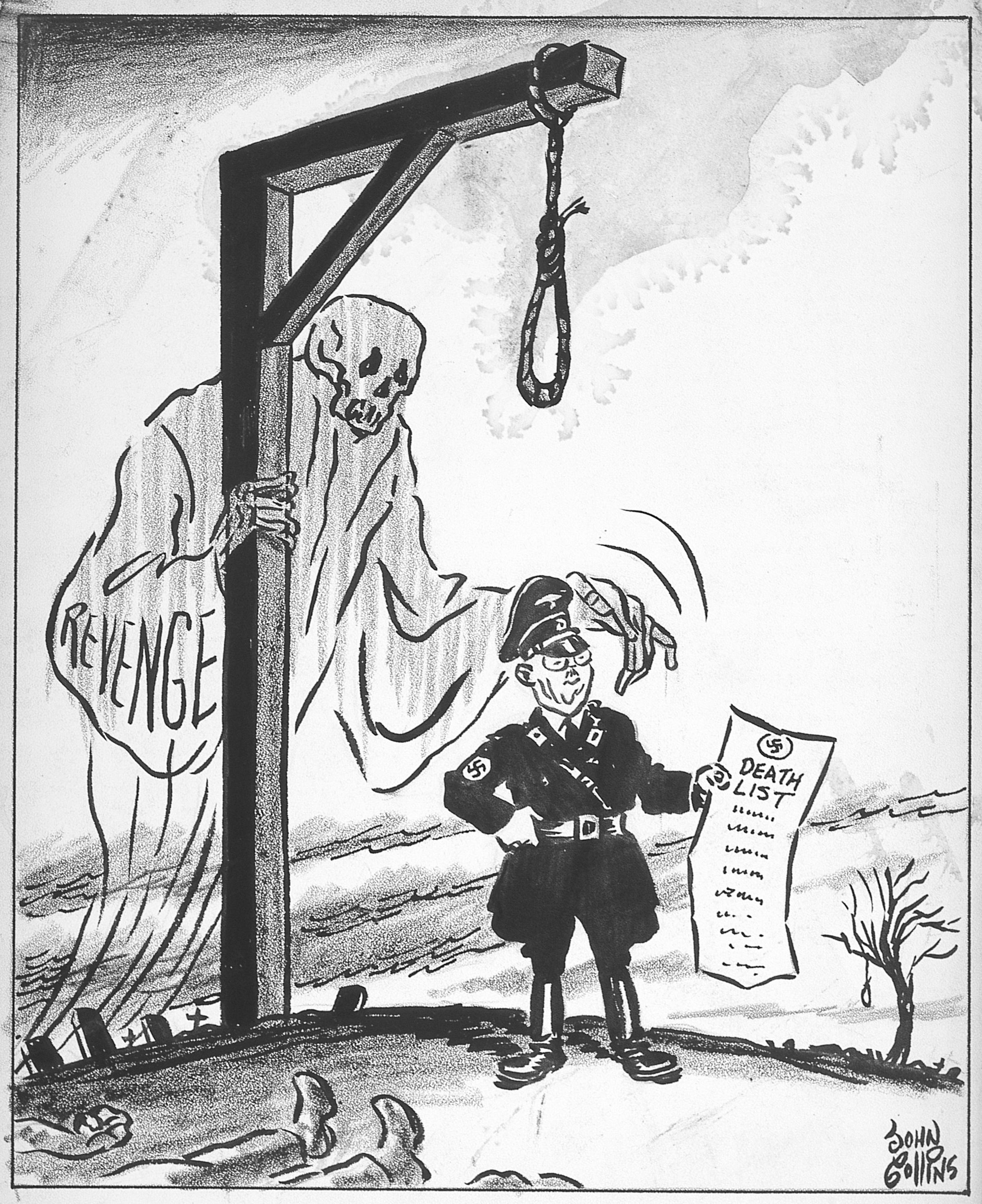
In the hours after the Dieppe Raid, the British and German forces both recognized how the tragedy could be spun into propaganda. Both sides published images, film, and testimonies about the raid with the goal of influencing public perception to galvanize support for the war effort. Propaganda became inseparable from fact.

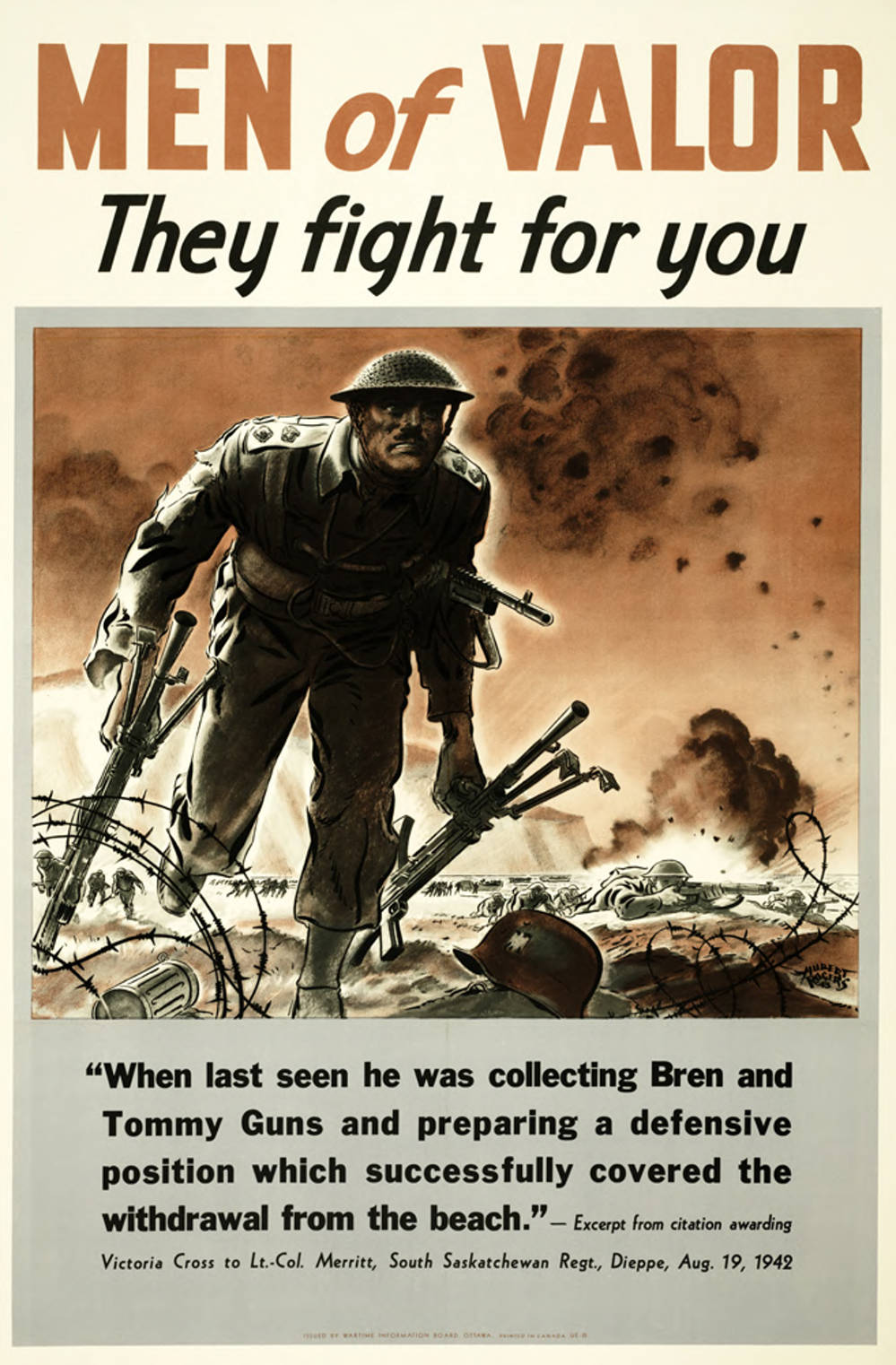
The Allies tried to minimize the defeat at Dieppe. Military propagandists initially insisted on portraying the raid as successful. Instead of focusing on the loss of life, the media highlighted the bravery of the men involved. In fact, even before the raid began, the British Combined Operations Headquarters had already crafted a public relations plan. They decided that if the raid failed, the British and Canadian militaries would emphasize how lessons learned from the assault could be applied to the future. While this was part of the public relations plan, there is no evidence that “learning lessons” was actually one of the raid’s primary goals.

This piece of Allied propaganda presents the Dieppe Raid as a success. It features footage of soldiers triumphantly returning to England and uses the public relations “lessons learned” argument.
Propaganda was an important part of Nazi Germany’s strategy. So much so that photographers were sent to take photos of the Allied defeat at Dieppe. Some even went as far as staging the bodies of deceased Canadians and removing those of German soldiers to capture a more compelling photo for their war effort.
Die Deutsche Wochenschau were a series of Nazi propaganda films destined to German civilian populations broadcasted between 1940 to 1945. This episode focuses on the failure of the Dieppe Raid.
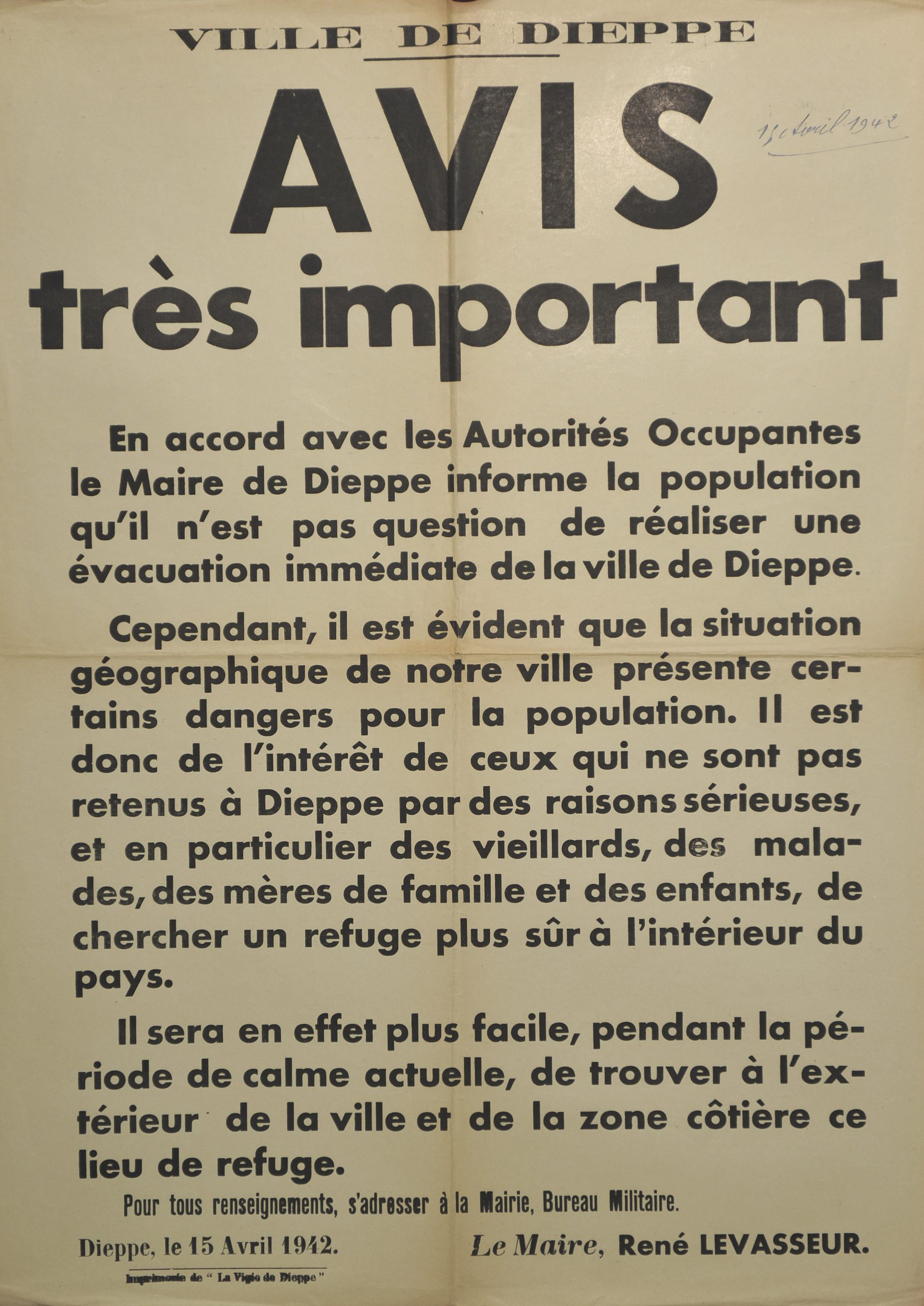
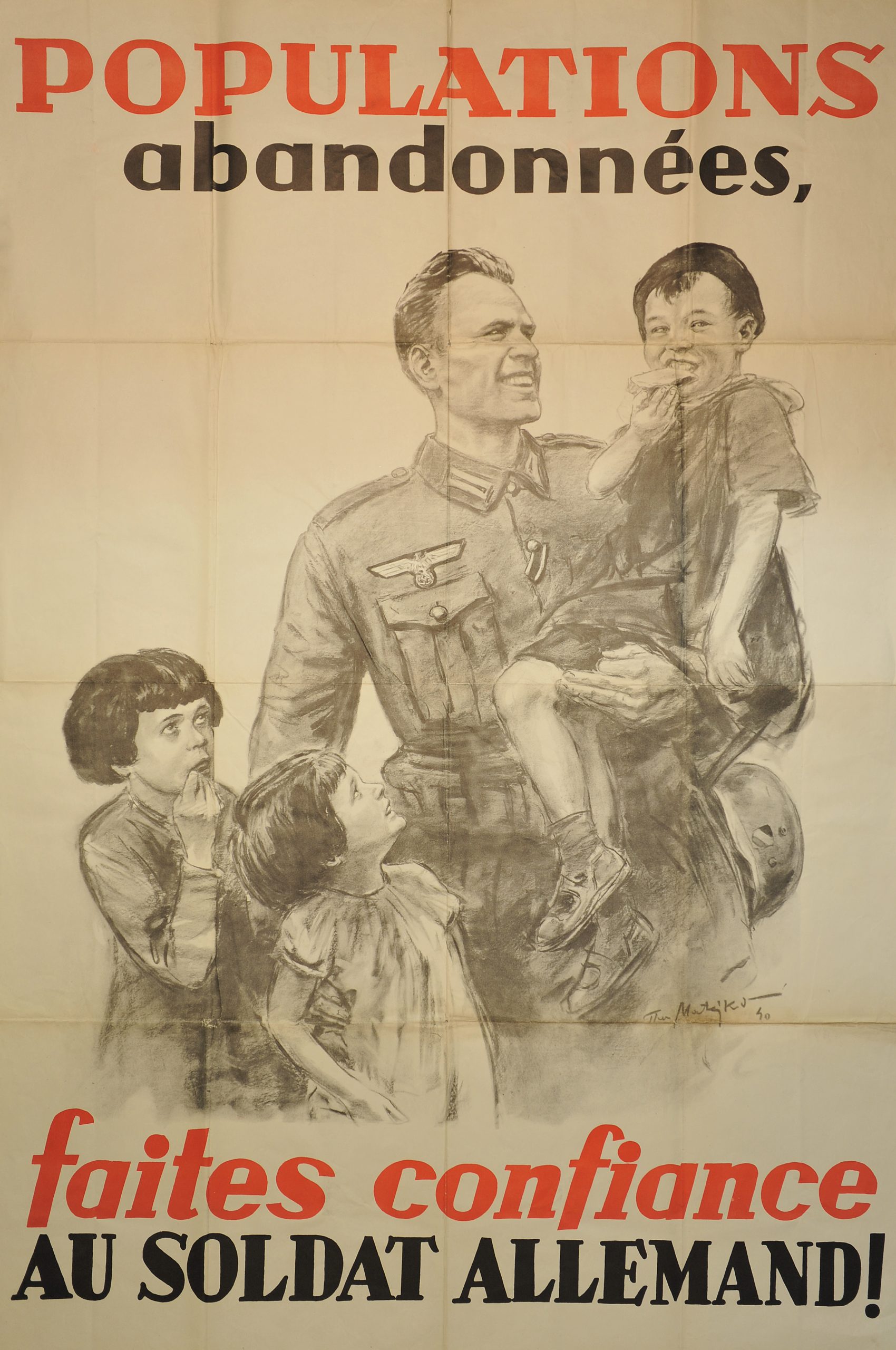
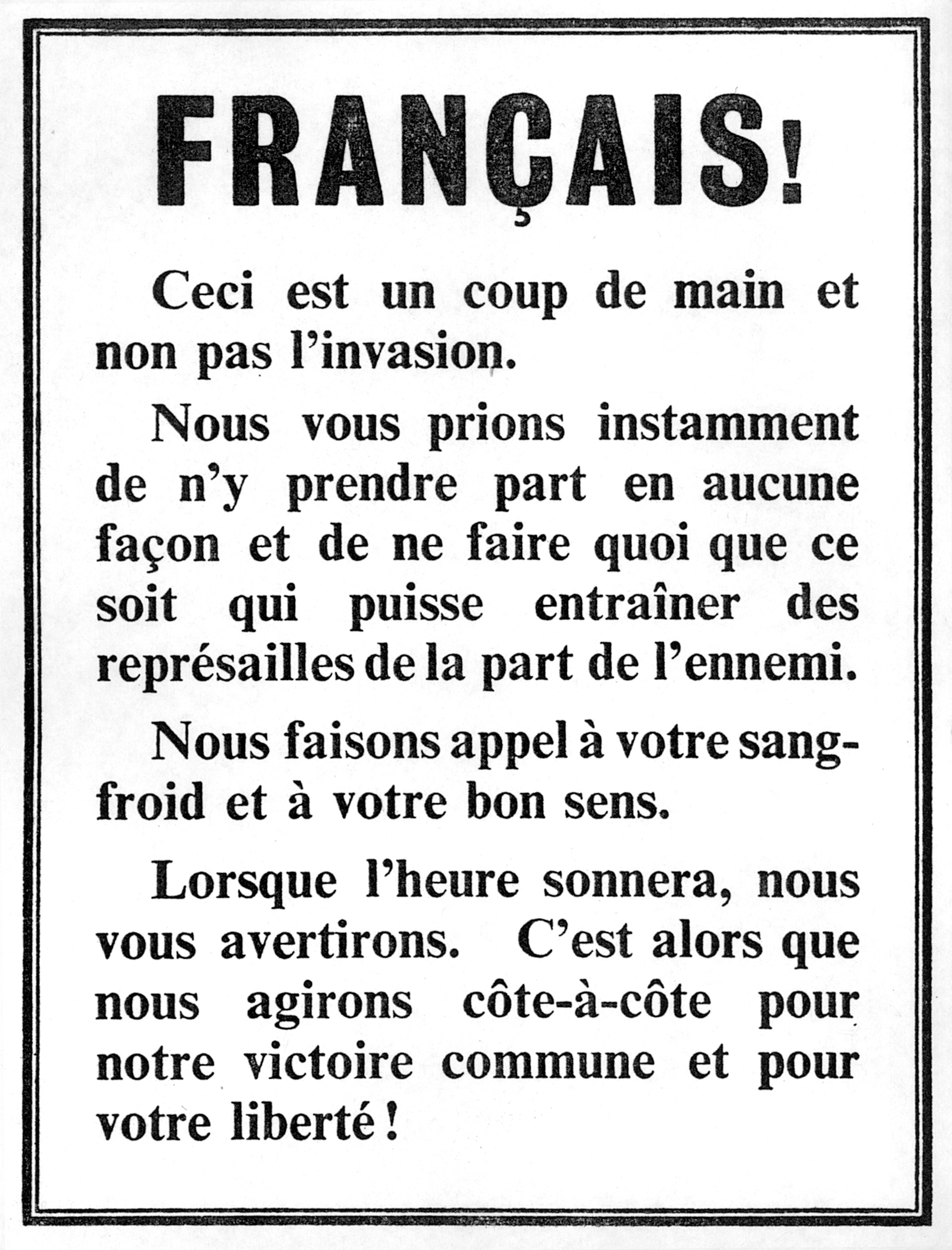
If caught, any French civilian who showed support for the Allied cause would be imprisoned or executed by the occupying German forces. In an attempt to suppress support for the Allies, Hitler’s regime subjected civilians to regular propaganda. After the Dieppe Raid failed, propaganda leaflets were distributed to civilians in Dieppe, praising them for remaining “passive” and “calm” during the assault.
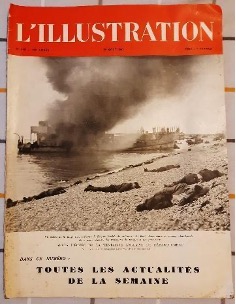
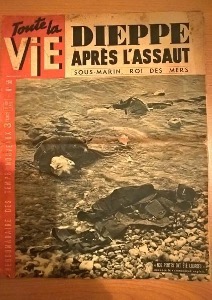
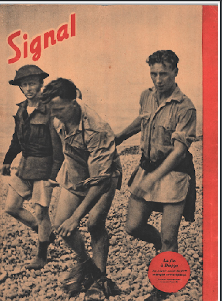
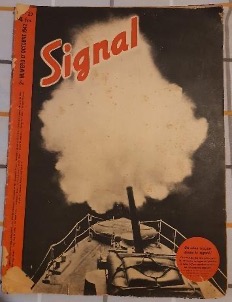
The impact of the raid was felt by many different people. Infantry soldiers, airmen, sailors, French civilians, and Canadian families were all deeply affected. The tragedy at Dieppe left physical and emotional scars that persisted for decades. Nobody can tell the story of the Dieppe Raid better than those who experienced it firsthand.

As a medical officer with the Royal Regiment of Canada at Dieppe, Major Reginald R. Laird saw the worst of the Raid. After landing at Puys, a beach northeast of Dieppe, Maj. Laird spent the day treating wounded soldiers. After being wounded, Maj. Laird passed out numerous times. Each time he woke up, he returned to his work helping other injured soldiers.
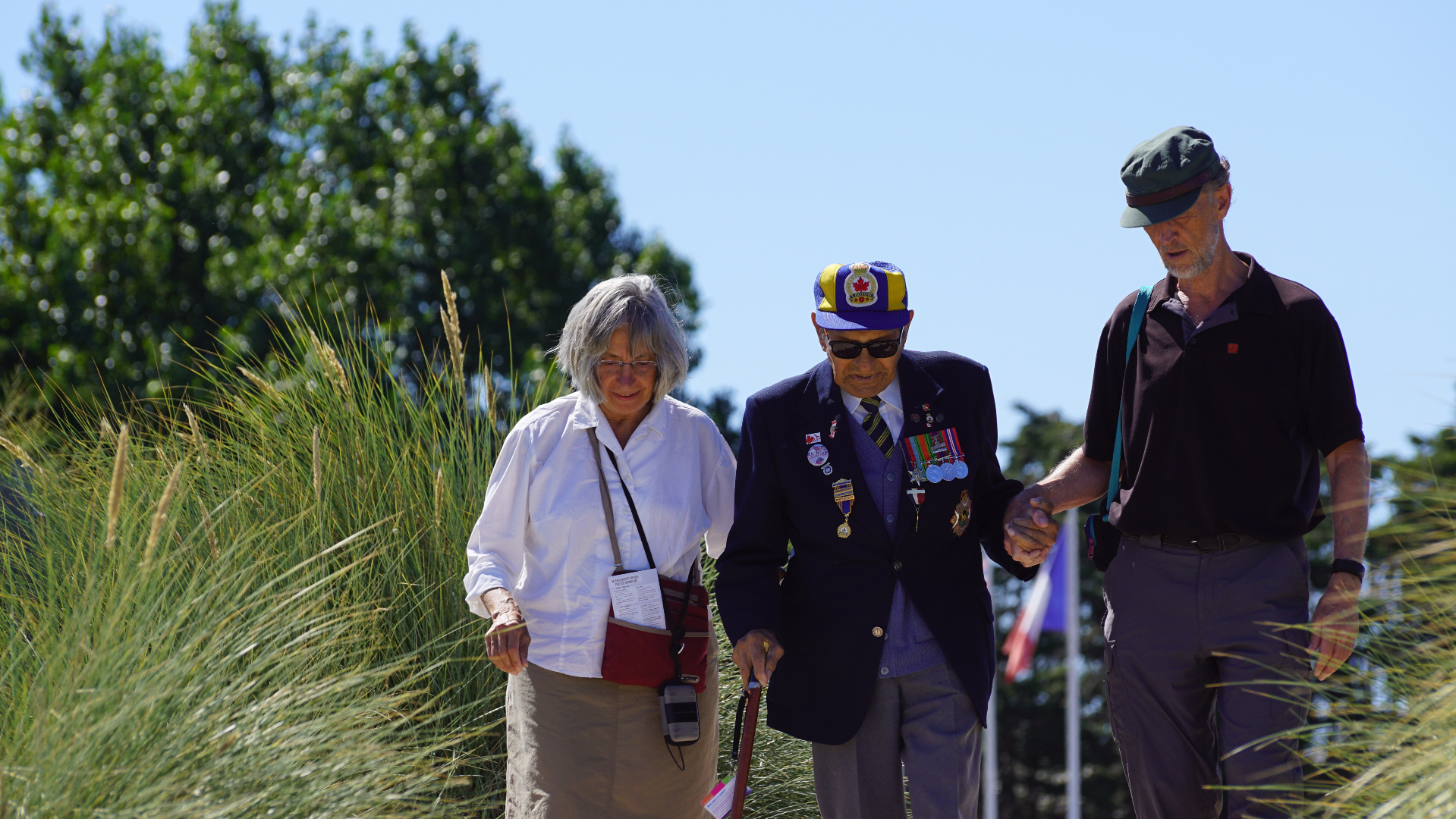
Paul Delorme was a Métis veteran who served with the South Saskatchewan Regiment at Dieppe. Like many soldiers, Delorme was wounded and wasn’t able to retreat. He became one of 1,946 Canadian soldiers to be taken prisoner at Dieppe.
"I remember pretty well everything: how some people got killed. I remember all that…Where are all my friends? Most of them buried in Dieppe. So I pay my respects. Sometimes I keep thinking they're better off than me."
Junius Hokan enlisted in the Royal Canadian Airforce (RCAF) on November 11, 1940, at the age of 18. He became one of very few Black men to become a commissioned pilot officer during the Second World War. The RCAF still had a policy that restricted enlistment to white men but the local recruiting officer made an exception for Hokan.
Flying Officer Hokan took to the skies during the Dieppe Raid before damage to his own plane made him return to England. One month later, Hokan’s squadron was escorting 36 Allied bombers when his plane ran out of fuel 60km off the English coast. He radioed that he was bailing out to await rescue. Flying Officer Junius Hokan was never recovered.

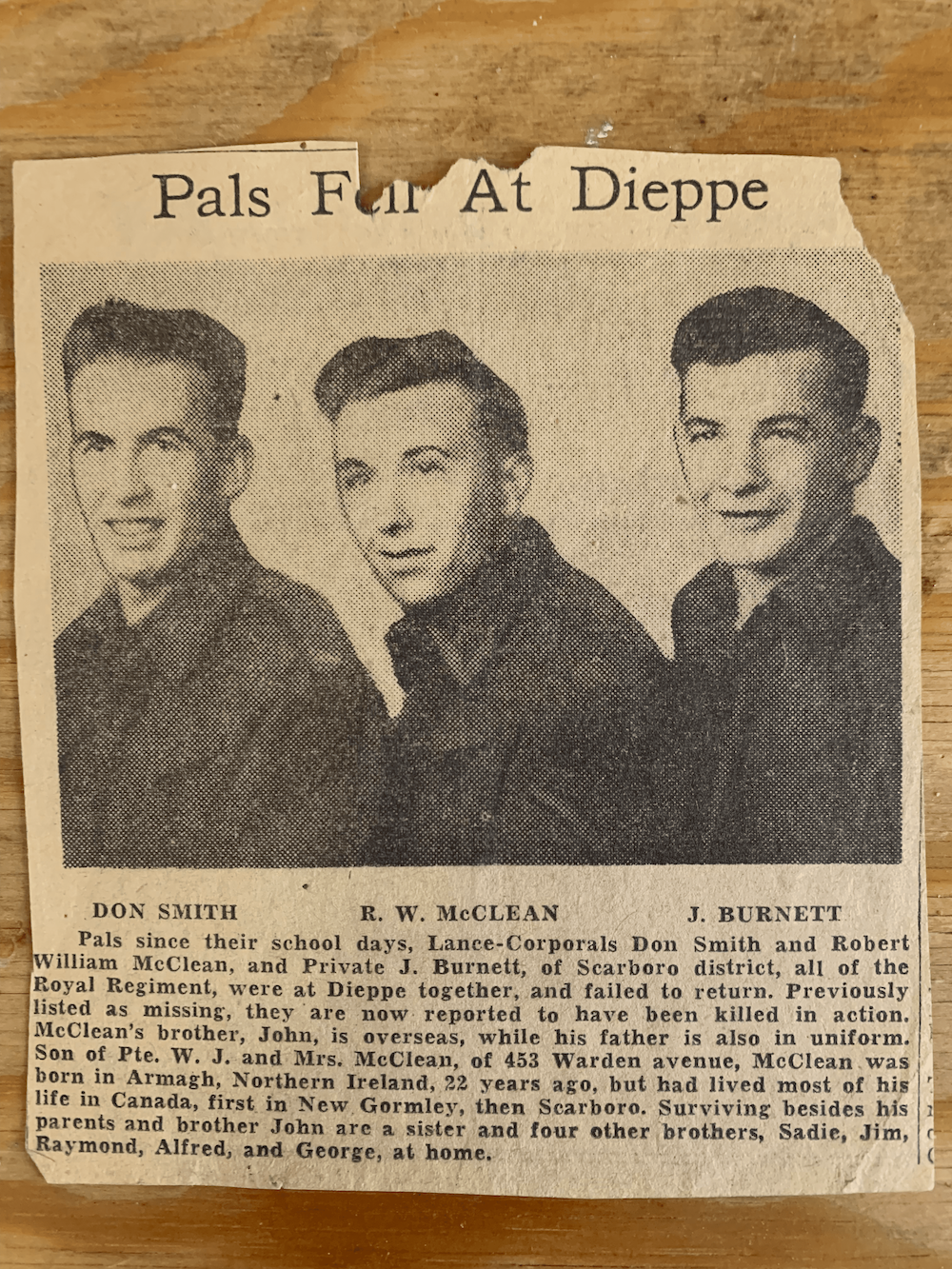
Mary McCLean was one of many mothers who lost their sons at Dieppe. But as news about the operation spread, Ms. McClean saw a newspaper photo of soldiers returning from the raid. She was convinced she saw her son, Robert McClean, among them. Mary wrote numerous letters to the Canadian Department of National Defence, asking why the photo “was allowed to be printed when my boy is reported killed in action?” As the months went by and Robert didn’t return, she slowly accepted she was wrong about the photo. In 1948 Mary finally travelled overseas to visit Robert’s grave.
Georges Dauzou was only 19 years old when the Canadians attempted to raid his hometown of Dieppe. He was a volunteer with Défense Passive – an organization responsible for building bomb shelters, organizing food and first aid, and warning civilians about airstrikes.As the raid was unfolding, he encountered several Canadian soldiers who had managed to breach the city. One soldier gave him a propaganda leaflet that explained the raid was a “helping hand” and not an invasion.
Georges spent the whole day putting out fires near the beach. He could hear the cries of wounded soldiers but would have faced punishment if he went to help them.
After 80 years, the purpose of the Dieppe Raid is still widely discussed and debated. Over the decades, the 1942 Dieppe Raid began to be linked to the 1944 D-Day Normandy landings. While this idea has become fairly mainstream, historians are still debating the perceived connection between Dieppe and D-Day.

For many people, the impact of the Dieppe Raid did not end after the assault failed on August 19, 1942. Dieppe veterans were left to recover from physical and mental scars.After Dieppe, the Canadian Army fought successfully in other theatres of war such as Italy and Northwest Europe. Veterans were recognized with unique service medals for each of these campaigns. However, the service medals of Dieppe veterans who did not return to combat due to being wounded or taken prisoner did not identify them as having served outside of Britain. Dieppe veterans remained slighted in this way for decades until a Dieppe bar was finally added to the Canadian Volunteer Service Medal in 1991.
The Dieppe Raid also left a lasting impact on Canadians’ memory of the Second World War. The Canadian public saw it as a senseless action that resulted in too much death. This fit well with the postwar desire for Canadians to distance themselves from their connection to Great Britain and embrace peacekeeping.
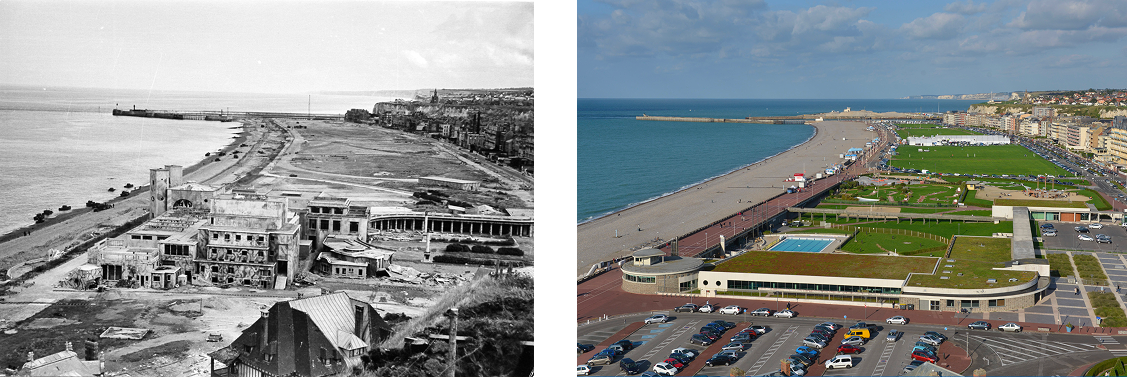
As the years stretched on, The Dieppe Raid began to be associated with D-Day and the Canadian landing at Juno Beach. The success of D-Day, and especially the Canadian participation at Juno Beach, has had a large impact on how Canadians discuss the Dieppe Raid. Part of the success is often attributed to lessons learned from previous operations in the war – including the Dieppe Raid. The propaganda that pushed this “lessons learned” argument shortly after the raid persists into today.The roots of the association between the Dieppe Raid and D-Day run deep. On June 7, 1944 – only one day after the landings at Juno Beach – Lieutenant-General Harry Crerar spoke about the connection during a speech to Canadian officers. He said that while the tragedy at Dieppe was heavy to bear, its influence on Allied strategy would become clear with time.Despite being completely opposite in outcome, the Dieppe Raid and D-Day have become inseparable in Canadian memory.
This exhibit was made possible through a partnership with the Ontario Trillium Foundation.

As a primarily privately-funded museum, it’s our donors who have made the dream of the Juno Beach Centre a reality.
Learn more about the unique initiatives you can help fund or make a gift to our general fund today to honour the legacy of Canada’s Veterans and ensure their story continues to be told.